

What is a lithium battery material powder conveying system equipment? What are its design principles
For manufacturers in the lithium battery industry, the efficient and reliable handling of raw materials is a critical factor in ensuring production quality and operational efficiency. The lithium battery material powder conveying system equipment plays a pivotal role in this process, serving as the backbone for transporting various powders such as cathode active materials, anode materials, and conductive additives. This equipment is designed to meet the stringent requirements of the battery manufacturing process, including high purity, low contamination, and consistent flow rates. Understanding the components and design principles of this system is essential for optimizing production lines and maintaining product consistency.
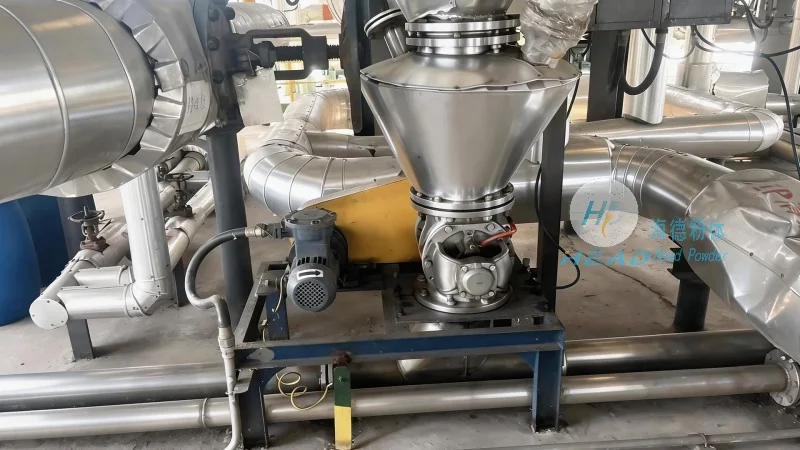
About HeadPowder: A Leading Provider of Powder Handling Solutions
HeadPowder, a division of Shandong HeadPowder Engineering Co., Ltd., is a professional manufacturer dedicated to providing high-quality powder conveying and processing equipment. With a strong presence in China, particularly in Shandong, the company has established itself as a trusted partner for businesses in the lithium battery sector. HeadPowder specializes in customizing equipment solutions tailored to the specific needs of clients, ensuring that each system is optimized for performance, durability, and cost-effectiveness. The company's commitment to innovation and quality has earned it a reputation for delivering reliable and efficient powder handling systems that meet the demands of modern battery production.
Key Design Principles of the Powder Conveying System
The design of a lithium battery material powder conveying system equipment is based on several fundamental principles aimed at ensuring optimal performance and safety. First, the system must maintain a closed environment to prevent contamination from external sources and to control dust emissions. This is typically achieved through the use of airtight enclosures and sealed transfer lines. Second, the system is engineered to handle a wide range of powder properties, including different particle sizes, densities, and flowability. This flexibility is crucial for accommodating various raw materials used in lithium battery production. Third, the design emphasizes energy efficiency and minimal maintenance, which are essential for reducing operational costs and downtime. The system incorporates advanced control mechanisms, such as variable frequency drives (VFDs), to regulate flow rates and pressure, ensuring smooth and consistent material transport. Additionally, safety features are integrated into the design to protect operators and equipment from potential hazards, including overpressure and material blockages.
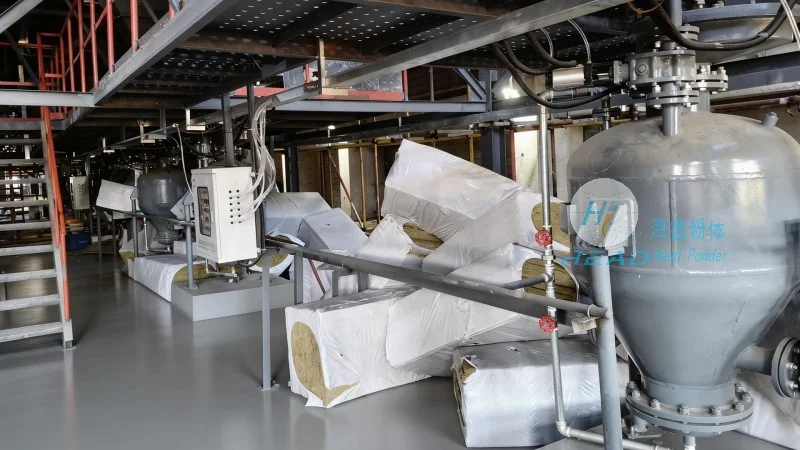
Core Components of the Powder Conveying System
The lithium battery material powder conveying system equipment consists of several key components that work in harmony to achieve efficient material transport. The primary components include a hopper or storage silo for holding raw materials, a feeder mechanism (such as a rotary valve or screw feeder) to control the flow of powder from the hopper, a conveying line (often made of stainless steel or other corrosion-resistant materials) to transport the powder, and a receiver or discharge hopper at the end of the line. The system may also include auxiliary equipment such as vacuum pumps or positive pressure blowers to assist in material transfer, especially for materials with poor flowability. Each component is carefully selected and designed to withstand the harsh conditions of the battery manufacturing process, including exposure to moisture, chemicals, and high temperatures. The use of high-quality materials, such as stainless steel 316L, ensures durability and resistance to corrosion, which is critical for maintaining the purity of the materials being handled.
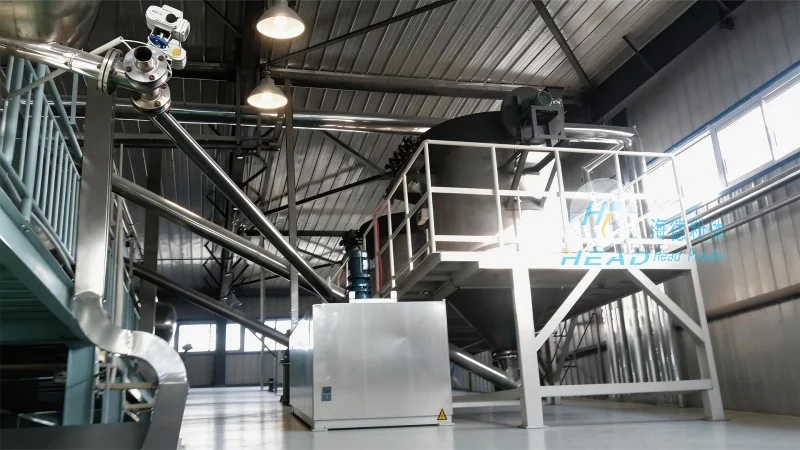
Applications in Lithium Battery Production
The lithium battery material powder conveying system equipment is widely used in various stages of lithium battery production, from raw material handling to final product assembly. In the cathode material preparation stage, the system efficiently transports active materials like lithium cobalt oxide (LCO), lithium nickel manganese cobalt oxide (NMC), and lithium iron phosphate (LFP) from storage to mixing and coating equipment. The system ensures that these powders are delivered in a controlled manner, preventing agglomeration and maintaining uniform particle size distribution. In the anode material processing stage, the system handles carbon black, graphite, and other conductive additives, ensuring consistent mixing with the active material. The system's ability to handle different materials and flow rates makes it suitable for both large-scale industrial production and small-scale laboratory applications. By integrating this equipment into the production line, manufacturers can achieve higher throughput, reduce material waste, and improve overall production efficiency.
Conclusion: The Importance of Reliable Powder Conveying Systems
In conclusion, the lithium battery material powder conveying system equipment is a vital component of modern lithium battery manufacturing, enabling efficient and safe handling of raw materials. The design principles, including closed systems, material flexibility, and energy efficiency, ensure that the equipment meets the stringent requirements of the industry. HeadPowder, as a leading manufacturer based in Shandong, China, offers customized solutions that cater to the unique needs of clients, providing reliable and high-performance powder handling systems. By investing in such equipment, lithium battery manufacturers can enhance production quality, reduce costs, and stay competitive in the global market. The continued development and optimization of these systems will be crucial for meeting the growing demand for lithium batteries in the future.