

What is Fertilizer Granular Material Conveying? What Are the Design Principles?
Fertilizer granular material conveying is a critical process in the agricultural and chemical industries, designed to transport bulk granular materials such as fertilizer pellets efficiently and safely. This system plays a vital role in ensuring the smooth operation of fertilizer production and distribution, from manufacturing facilities to storage and shipping. Understanding the principles behind these conveying systems is essential for optimizing performance, minimizing downtime, and enhancing overall operational efficiency.
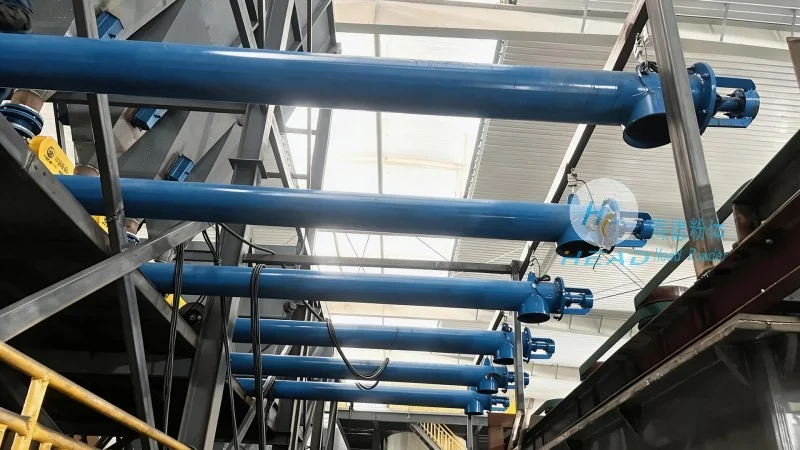
HeadPowder Engineering: A Leader in Fertilizer Conveying Solutions
Shandong HeadPowder Engineering Co., Ltd., a renowned company based in Shandong, China, specializes in the design, manufacturing, and installation of advanced fertilizer granular material conveying systems. With years of experience in the industry, HeadPowder has established itself as a trusted partner for clients seeking reliable and efficient solutions for their material handling needs. The company’s commitment to quality, innovation, and customer satisfaction has made it a leading name in the field of bulk material handling. HeadPowder’s facilities are located in Shandong, providing local support and expertise to its clients.
Key Components of Fertilizer Granular Conveying Systems
A typical fertilizer granular material conveying system consists of several key components that work together to ensure effective material transport. These components include feeders, conveyors (such as screw conveyors, belt conveyors, or pneumatic conveyors), control systems, and safety devices. Each component is carefully designed to handle the specific characteristics of fertilizer granules, including their size, density, and moisture content. The feeders are responsible for uniformly feeding the material into the conveyor system, while the conveyors transport the granules to the desired location. Control systems monitor and regulate the flow of material, ensuring consistent operation and preventing overloading or underloading. Safety devices, such as emergency stops and overload protection, are integrated to protect both equipment and personnel from potential hazards.
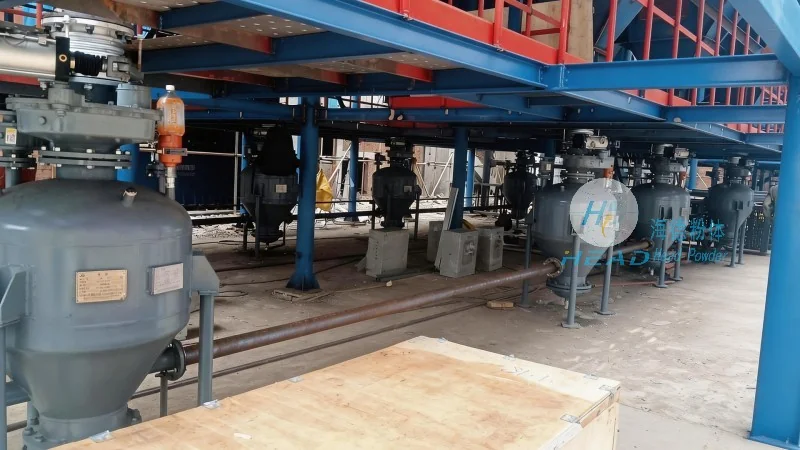
Design Principles for Efficient Fertilizer Conveying
The design of fertilizer granular material conveying systems follows several fundamental principles to ensure optimal performance. One of the primary principles is the selection of appropriate equipment based on the material's properties. For example, screw conveyors are commonly used for transporting dry, free-flowing granules, while pneumatic conveyors are suitable for handling materials with higher moisture content or those that are more abrasive. The design also considers the system's capacity, which must be sufficient to meet the production demands of the fertilizer plant. The layout of the conveying system is another critical factor, as it affects the overall efficiency and cost of operation. A well-designed layout minimizes the number of bends and changes in direction, reducing energy consumption and wear on the equipment. Additionally, the system's maintenance requirements are taken into account during the design phase to ensure long-term reliability and minimal downtime.
Advantages of Advanced Fertilizer Conveying Systems
Modern fertilizer granular material conveying systems offer several advantages over traditional methods. One of the key benefits is the ability to handle large volumes of material with high efficiency. These systems can transport thousands of tons of fertilizer per hour, significantly reducing the time and labor required for material handling. Another advantage is the improved safety features, which minimize the risk of accidents and injuries. Advanced control systems and safety devices ensure that the equipment operates within safe parameters, protecting both workers and the environment. Additionally, the use of high-quality materials and components in the construction of the conveying system enhances its durability and longevity, reducing the need for frequent repairs and replacements.
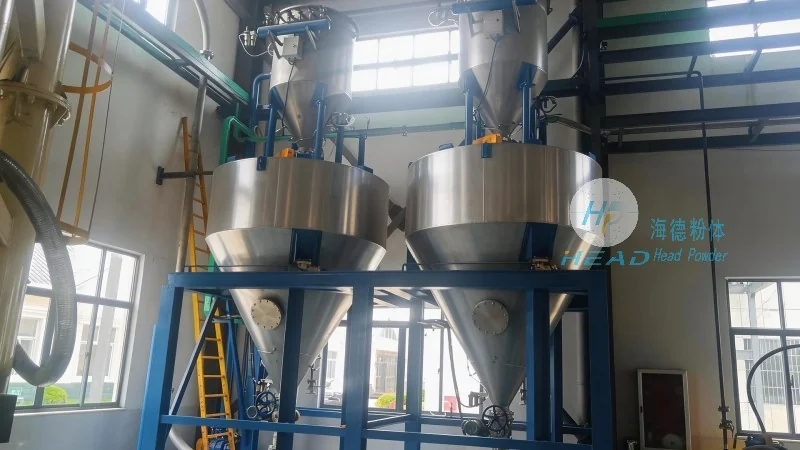
Application of Fertilizer Conveying Systems in the Industry
Fertilizer granular material conveying systems are widely used in various applications within the agricultural and chemical industries. In fertilizer production plants, these systems are used to transport raw materials, such as raw materials for granulation, from storage silos to processing equipment. They are also used to move finished fertilizer granules from the production line to storage silos or shipping containers. In agricultural settings, conveying systems are used to transport fertilizer from storage facilities to application sites, such as farms or gardens. The versatility of these systems makes them suitable for a wide range of applications, from small-scale operations to large industrial facilities.
Conclusion: The Importance of Reliable Fertilizer Conveying
In conclusion, fertilizer granular material conveying systems are essential for the efficient and safe handling of bulk materials in the agricultural and chemical industries. The design principles and components of these systems are carefully selected to meet the specific needs of the application, ensuring optimal performance and minimal downtime. Companies like Shandong HeadPowder Engineering Co., Ltd. play a crucial role in providing advanced and reliable conveying solutions that enhance the productivity and profitability of fertilizer production and distribution. By understanding the principles behind these systems and investing in high-quality equipment, businesses can ensure the smooth operation of their material handling processes and meet the growing demand for fertilizers in the market.