

What is a Fine Chemical Material Handling System? What are the Design Principles?
Understanding the intricacies of fine chemical material handling systems is crucial for industries that rely on precise and efficient processing of delicate chemical substances. These systems are engineered to handle materials with high purity requirements, ensuring minimal contamination and optimal performance throughout the material transport process.
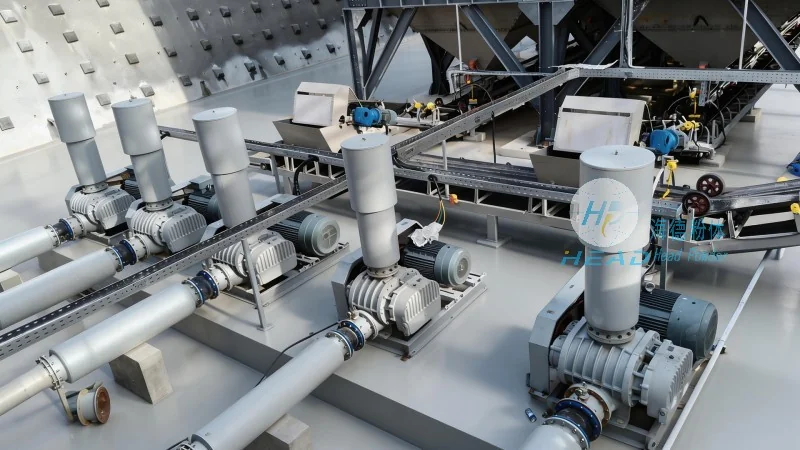
Defining Fine Chemical Material Handling Systems
A fine chemical material handling system is a specialized setup designed to transport, store, and manage fine chemicals—substances characterized by their high purity, often used in pharmaceuticals, specialty chemicals, and advanced materials. Unlike bulk chemical handling, which deals with larger quantities and less stringent purity standards, fine chemical systems focus on maintaining the integrity of the material at every stage. The design of such systems must account for factors like particle size, moisture content, and chemical reactivity to prevent degradation or contamination.
Key Design Principles for Fine Chemical Material Handling
The design of a fine chemical material handling system is governed by several critical principles that ensure safety, efficiency, and product quality. First, contamination control is paramount. This involves using materials that are chemically inert and easy to clean, such as stainless steel or PTFE-lined components, to prevent cross-contamination between different chemical batches. Second, precision and accuracy are essential. Systems often incorporate advanced control mechanisms, like variable frequency drives (VFDs) and closed-loop feedback systems, to regulate flow rates and pressure, minimizing variations that could affect product consistency. Third, flexibility is a key design consideration. Many fine chemical processes require handling a range of materials with varying properties, so systems are often modular and adaptable, allowing for easy reconfiguration to accommodate different product lines.
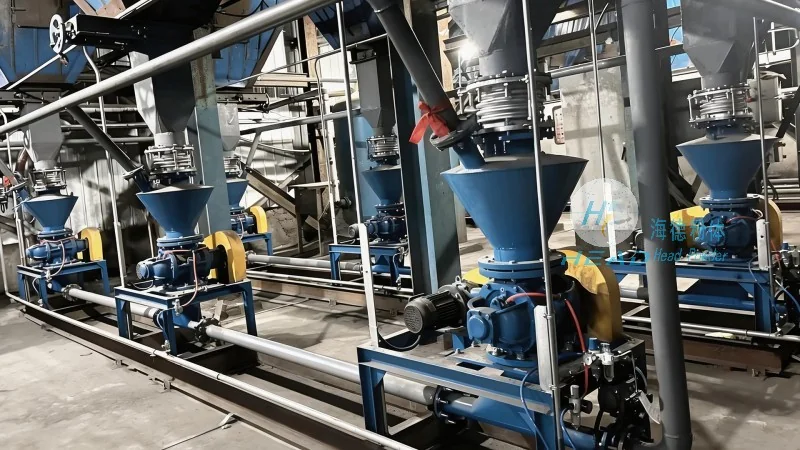
The Role of Material Properties in System Design
Material properties play a significant role in determining the design of a fine chemical handling system. For instance, materials with high moisture sensitivity may require dry bulk handling techniques, such as pneumatic conveying with desiccant filters, to prevent moisture absorption. Similarly, chemicals that are hygroscopic or reactive to air require sealed systems with inert gas purging to maintain stability. The system design must also consider the particle size distribution of the material; finer particles may require specialized equipment like rotary valves or vibratory feeders to prevent clogging and ensure uniform flow. These considerations ensure that the system not only meets functional requirements but also adheres to regulatory standards for product purity and safety.
Components of a Typical Fine Chemical Material Handling System
A typical fine chemical material handling system comprises several interconnected components, each playing a vital role in the overall operation. The primary components include: feeders (e.g., loss-in-weight feeders or rotary valves) to control the initial material flow; conveyors (e.g., pneumatic or mechanical conveyors) to transport the material from one location to another; storage vessels (e.g., agitated tanks or silos) to hold the material before processing; and control systems (e.g., PLCs or SCADA) to monitor and adjust the process parameters in real-time. Each component is selected based on the specific characteristics of the fine chemical being handled, ensuring that the system operates optimally and safely.
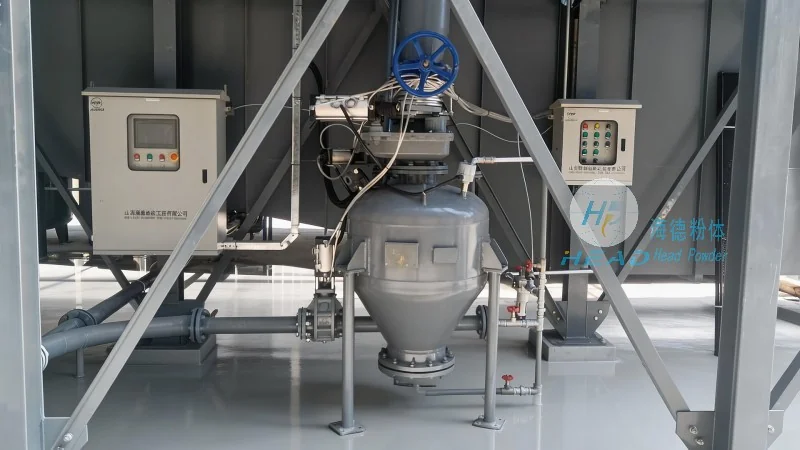
Applications and Industries Served by Fine Chemical Handling Systems
Fine chemical material handling systems are widely used across various industries, including pharmaceuticals, specialty chemicals, and agrochemicals. In the pharmaceutical industry, these systems are critical for handling active pharmaceutical ingredients (APIs) and excipients, where even minor contamination can lead to product recalls or safety issues. In specialty chemicals, they are used for processing high-value materials like pigments, dyes, and catalysts, where precision in handling is essential to maintain product quality and performance. Agrochemical manufacturers also rely on such systems to handle pesticides and fertilizers, ensuring consistent formulation and delivery. The versatility of fine chemical handling systems makes them indispensable in any industry where the integrity of chemical products is non-negotiable.
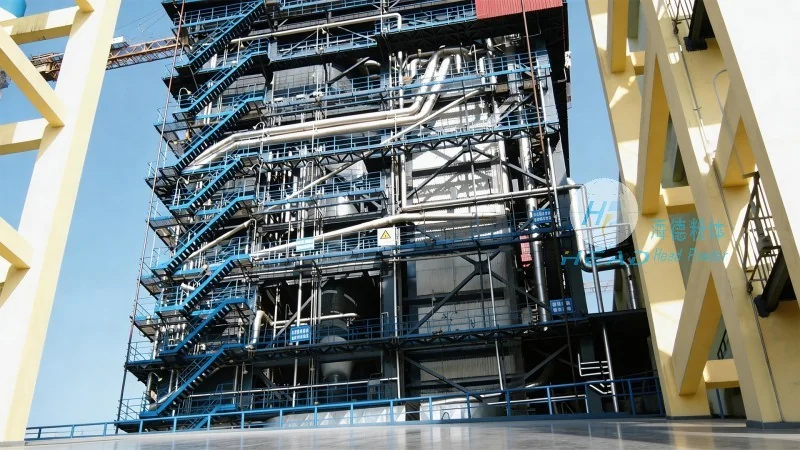
Case Study: A Real-World Application by Shandong HeadPowder Engineering Co., Ltd.
Shandong HeadPowder Engineering Co., Ltd., a leading provider of material handling solutions, has successfully implemented a fine chemical material handling system for a pharmaceutical client. The system was designed to handle a highly sensitive API with strict purity requirements. The solution included stainless steel pneumatic conveying lines with HEPA filters to prevent airborne contamination, loss-in-weight feeders to maintain precise dosing, and a closed-loop control system to monitor temperature and pressure. The implementation resulted in a 15% reduction in product loss and a 20% increase in production efficiency, demonstrating the effectiveness of well-designed fine chemical handling systems. This case study highlights the importance of tailored system design and the expertise of companies like HeadPowder in delivering solutions that meet the unique needs of the fine chemical industry.
Conclusion: The Importance of Specialized Material Handling
Fine chemical material handling systems are more than just equipment; they are integral to the success of industries that rely on high-purity chemical products. The design principles, components, and applications discussed above underscore the complexity and importance of these systems. By prioritizing contamination control, precision, and flexibility, manufacturers can ensure that their fine chemical products meet the highest standards of quality and safety. As the demand for fine chemicals continues to grow, the role of specialized material handling systems will only become more critical, making it essential for companies to invest in robust and well-engineered solutions.