

What is a Manganese Sulfate Material Handling Conveyor? What Are Its Design Principles?
Understanding the design and functionality of a manganese sulfate material handling conveyor is crucial for industries dealing with this specific chemical compound. Manganese sulfate is widely used in various sectors, including agriculture, battery manufacturing, and water treatment, making efficient and safe material handling essential for operational efficiency and product quality.
Introduction to Manganese Sulfate Material Handling Conveyors
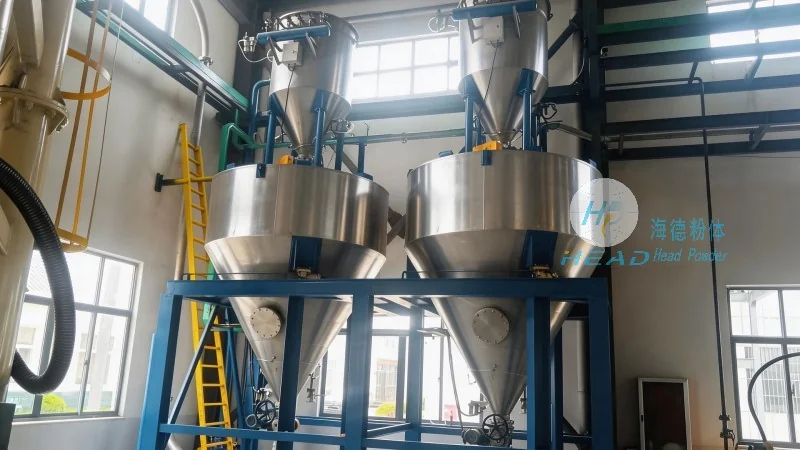
A manganese sulfate material handling conveyor is a specialized system engineered to transport manganese sulfate, a white crystalline powder, from one location to another within industrial facilities. These conveyors are designed to handle the unique properties of manganese sulfate, such as its fine particle size, hygroscopic nature, and potential for dust generation. The system typically includes components like feed hoppers, conveyor belts, control panels, and dust suppression mechanisms to ensure safe and efficient operation.
Overview of Manganese Sulfate and Its Handling Requirements
Manganese sulfate (MnSO₄) is an inorganic compound that plays a vital role in numerous industrial applications. Its handling requires careful consideration due to its chemical properties and the need to prevent contamination or environmental impact. The material is often stored in bulk and needs to be transferred to processing units, packaging areas, or storage silos. Efficient material handling systems are essential to minimize material loss, reduce labor costs, and maintain compliance with safety regulations.
Core Components of a Manganese Sulfate Material Handling Conveyor System
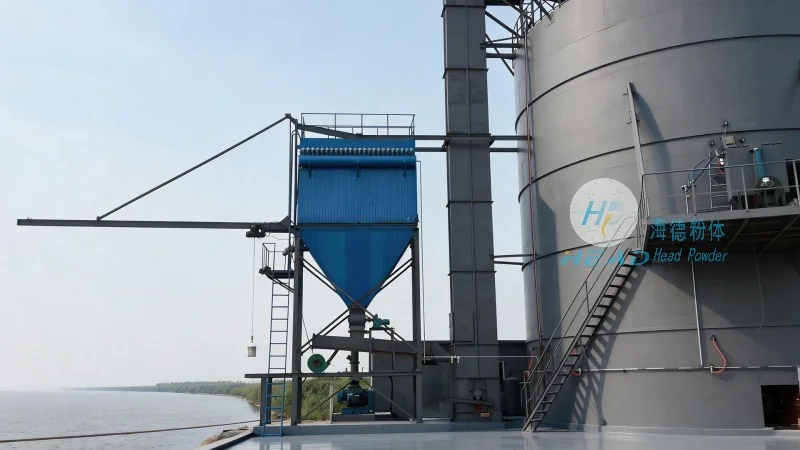
The core components of a manganese sulfate material handling conveyor system include feed hoppers, conveyor belts, drive mechanisms, control systems, and dust control equipment. The feed hopper is designed to store and feed the material into the conveyor system, ensuring a consistent flow. The conveyor belt, often made of materials resistant to chemical corrosion and abrasion, transports the manganese sulfate. Drive mechanisms, such as electric motors and gearboxes, provide the necessary power to move the material. Control panels allow operators to monitor and adjust the system's operation, ensuring optimal performance. Dust suppression systems, including cyclones and wet scrubbers, are integrated to control dust emissions and maintain a safe working environment.
Design Principles for Efficient Material Handling
The design of a manganese sulfate material handling conveyor is guided by several key principles to ensure efficiency and safety. First, the system must be designed to handle the material's fine particle size and hygroscopic nature, preventing clogging and material degradation. Second, the conveyor must be constructed from materials that resist corrosion and abrasion, as manganese sulfate can be chemically aggressive. Third, the system should incorporate dust control measures to comply with environmental regulations and protect workers from inhalation hazards. Fourth, the design should prioritize energy efficiency and low maintenance costs, reducing operational expenses over time. Finally, the system must be scalable and adaptable to accommodate changes in production volume or material handling requirements.
Application Scenarios and Operational Considerations
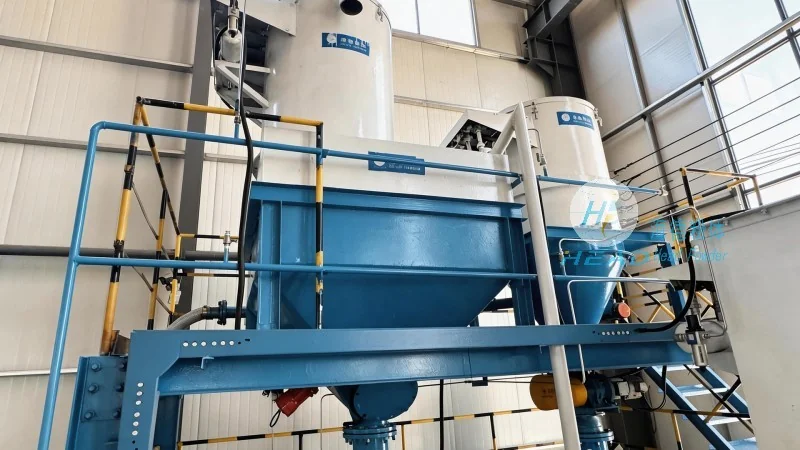
Manganese sulfate material handling conveyors are commonly used in various industrial settings, including chemical plants, fertilizer production facilities, and battery manufacturing plants. In chemical plants, the conveyor systems transport manganese sulfate from storage silos to processing units, where it is used as a raw material for other chemical products. In fertilizer production, the material is transferred to mixing and packaging areas, ensuring consistent product quality. In battery manufacturing, manganese sulfate is used as a cathode material, and the conveyor system delivers it to the production line. Operational considerations include regular maintenance of the conveyor components, monitoring of material flow rates, and adherence to safety protocols to prevent accidents and ensure product integrity.
Conclusion and Company Information
Efficient material handling is critical for industries dealing with manganese sulfate, and a well-designed conveyor system can significantly improve operational efficiency and safety. Shandong HeadPowder Engineering Co., Ltd., a leading provider of material handling solutions, specializes in designing and manufacturing customized conveyor systems tailored to the specific needs of manganese sulfate handling. With its headquarters in Shandong, China, HeadPowder leverages advanced engineering and manufacturing capabilities to deliver high-quality, reliable conveyor systems that meet the stringent requirements of the chemical industry. By focusing on innovation and customer satisfaction, HeadPowder continues to be a trusted partner for businesses seeking to optimize their material handling processes.