

What is Sintered Dust Powder Pneumatic Conveying? And What Are Its Design Principles?
Sintered dust powder pneumatic conveying is a specialized method used in industrial applications to transport fine powders, particularly those generated from sintering processes. This technology involves the use of air or other gases to move particulate materials through a pipeline system. The process is crucial for industries dealing with sintered materials, as it offers an efficient and often cleaner alternative to traditional mechanical conveying methods.
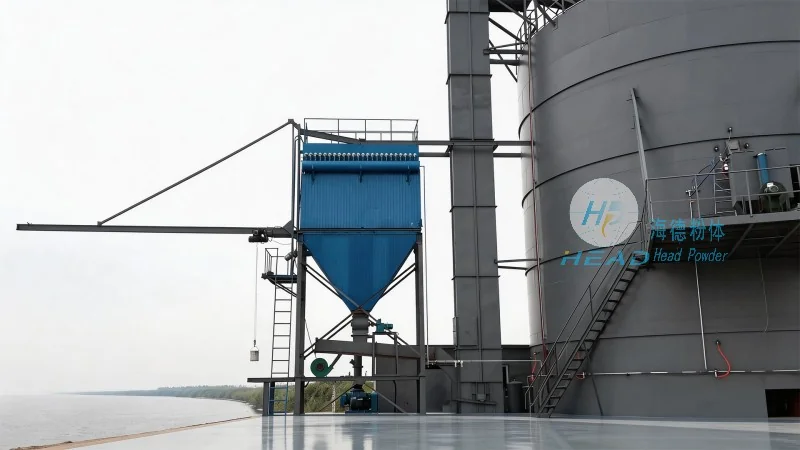
Understanding Sintered Dust Powder Pneumatic Conveying
Sintered dust, typically produced during the sintering of metal or ceramic powders, consists of fine particles that can be challenging to handle due to their size and potential for dust explosion risks. Pneumatic conveying systems address these challenges by utilizing pressure or vacuum to transport the dust through a sealed pipeline. This approach minimizes the risk of dust dispersion into the environment and reduces the need for manual handling, which can be hazardous.
The Core Design Principles of Pneumatic Conveying Systems
The design of a sintered dust powder pneumatic conveying system is based on several key principles to ensure efficient and safe operation. These principles include the selection of appropriate air velocity, the configuration of the pipeline system, and the use of suitable equipment such as blowers, filters, and cyclones. The system must be designed to handle the specific characteristics of the sintered dust, including particle size distribution, moisture content, and potential for agglomeration.
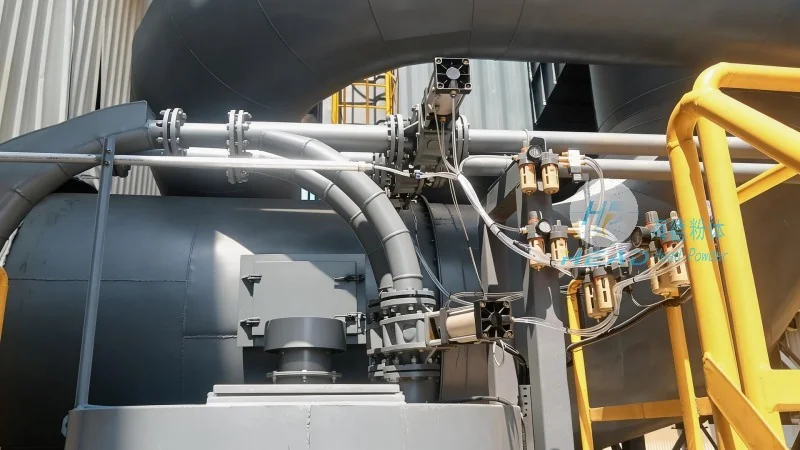
Key Components and Their Functions in the Conveying System
HeadPowder, a leading engineering company based in Shandong, China, specializes in the design and implementation of such pneumatic conveying systems. The company's expertise lies in tailoring solutions to meet the unique requirements of each industrial application. The core components of a typical system include the material feed hopper, which holds the sintered dust and controls the flow rate; the conveying line, which transports the material; and the receiving hopper or silo, where the material is deposited. The system also incorporates a blower or compressor to generate the necessary air pressure, and a filter system to capture any dust particles that may escape during operation, ensuring compliance with environmental regulations.
Advantages of Pneumatic Conveying for Sintered Dust Handling
Compared to mechanical conveying methods like screw conveyors or belt conveyors, pneumatic conveying offers several advantages for handling sintered dust. These include the ability to transport materials over longer distances without the need for intermediate transfer points, reduced risk of product contamination due to the sealed system, and lower maintenance requirements as there are fewer moving parts. Additionally, the system can be designed to handle a wide range of particle sizes and flow rates, making it versatile for various industrial processes.
Design Considerations for Optimal Performance
When designing a sintered dust powder pneumatic conveying system, several factors must be considered to ensure optimal performance and safety. These include the air velocity, which must be sufficient to prevent particle settling but not so high as to cause excessive wear on the pipeline or equipment; the pipeline diameter, which is determined by the flow rate and particle size; and the system's pressure drop, which affects the energy consumption and overall efficiency. The selection of materials for the pipeline and components is also critical, as they must be resistant to corrosion and abrasion caused by the sintered dust particles.
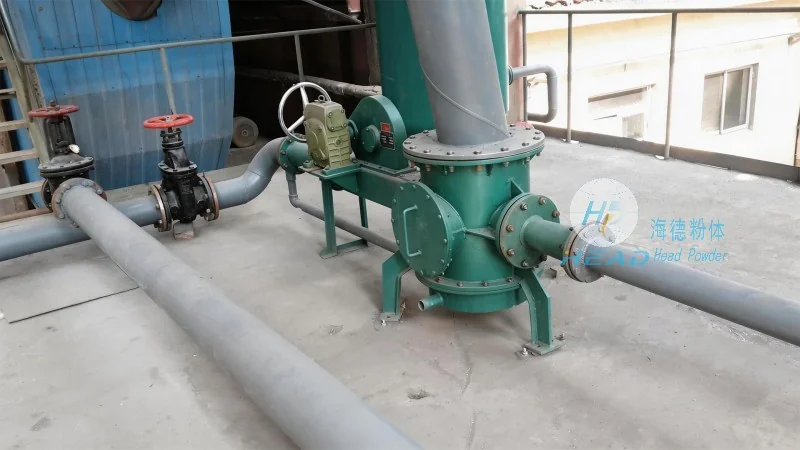
Applications in Industrial Sintering Processes
Sintered dust powder pneumatic conveying is widely used in various industrial applications, particularly in the manufacturing of metal and ceramic products. For example, in the production of steel, sintered dust from the sintering of iron ore is conveyed to storage facilities or processing units. In the ceramics industry, dust from the sintering of clay and other raw materials is handled using pneumatic systems to maintain product quality and environmental standards. The technology is also applied in the pharmaceutical and food industries, where the handling of fine powders requires strict control over dust dispersion and contamination.
Conclusion
HeadPowder Engineering Co., Ltd., with its headquarters in Shandong, China, provides comprehensive solutions for sintered dust powder pneumatic conveying systems. By adhering to the fundamental design principles and incorporating advanced components, the company ensures that its systems are efficient, reliable, and safe for handling sintered dust in various industrial applications. The technology continues to be a vital part of modern material handling, offering a sustainable and effective method for transporting fine powders while minimizing environmental impact.