

Pneumatic Conveying of Carboxymethyl Cellulose Powder: Design Principles Explained
Carboxymethyl cellulose (CMC) is a widely used chemical additive in various industries, including food, pharmaceuticals, and construction. Its powder form often requires efficient and reliable transportation methods to ensure consistent quality and process efficiency. Pneumatic conveying is a key technology for handling CMC powder, offering advantages such as dust-free operation, flexibility in layout, and the ability to transport materials over long distances. This article explores the fundamentals of CMC powder pneumatic conveying and the essential design principles that underpin its successful implementation.
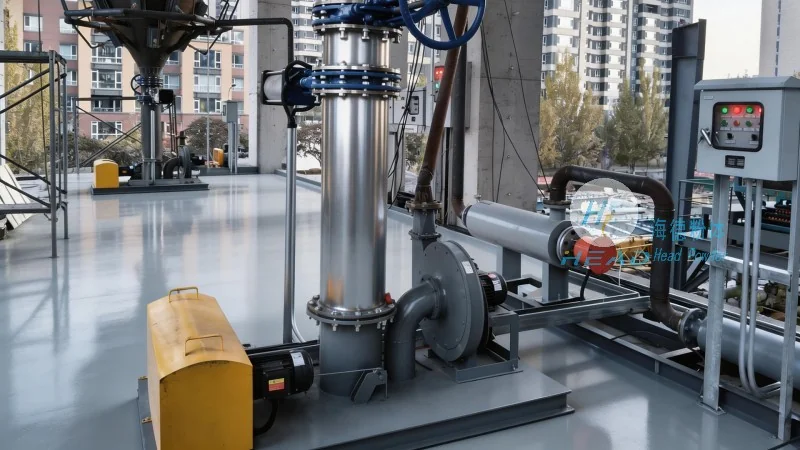
Understanding Pneumatic Conveying Systems
Pneumatic conveying systems utilize air or gas to transport bulk materials like CMC powder through a pipeline network. The core components of a typical system include a material feed hopper, a conveyor line (often with multiple sections), a pressure or vacuum source, and a discharge mechanism. The system can operate under either positive pressure (where air is blown into the line to push the material) or negative pressure (where air is drawn out to pull the material). For CMC powder, which is typically fine and can be prone to static charge, the choice of system type and design is critical to maintain material integrity and prevent clogging or degradation.
Key Design Principles for CMC Powder Pneumatic Conveying
The successful design of a CMC powder pneumatic conveying system relies on several key principles that address the unique properties of the material. First, the system must ensure adequate air velocity to maintain the powder in suspension. The minimum conveying velocity is determined by the powder's particle size, density, and flow characteristics. For CMC powder, which often has a fine particle size (typically 1-100 microns), higher air velocities are generally required to prevent settlement and ensure smooth transport. Second, the system design must consider the risk of static electricity accumulation, as fine powders like CMC can generate static charges during handling. Proper grounding and the use of anti-static materials in the conveyor line are essential to mitigate this risk and prevent material buildup or sparks.
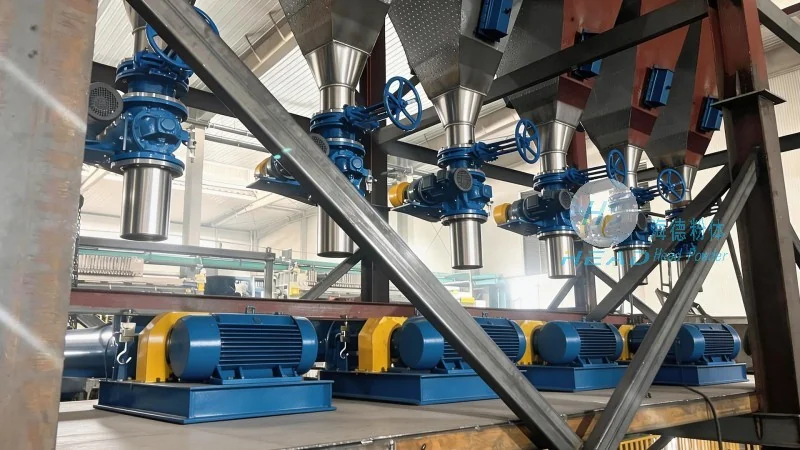
Third, the system layout and component selection are crucial for minimizing pressure drop and energy consumption. The use of smooth, corrosion-resistant pipes and appropriate bends and fittings reduces friction losses, which in turn lowers the power required to operate the system. For CMC powder, which may be sensitive to moisture or temperature changes, the system should incorporate features to maintain stable conditions, such as temperature-controlled sections or moisture-resistant materials. Additionally, the design must account for the potential for material segregation or agglomeration, which can occur if the powder is not properly mixed or conveyed. Incorporating mixing sections or using air classifiers can help maintain a uniform product stream.
Components and Their Roles in CMC Powder Pneumatic Conveying
A pneumatic conveying system for CMC powder typically consists of several interconnected components, each playing a vital role in the overall operation. The material feed hopper is the starting point, where the CMC powder is stored and metered into the system. It often includes a feeder mechanism, such as a rotary valve or a screw feeder, to control the flow rate and prevent overfilling. The conveyor line itself is the main pathway for the powder, and its design (e.g., diameter, length, and number of bends) directly impacts the system's performance. For example, larger diameter pipes reduce pressure drop but increase cost and space requirements, while smaller diameters are more energy-efficient but may require higher air velocities.
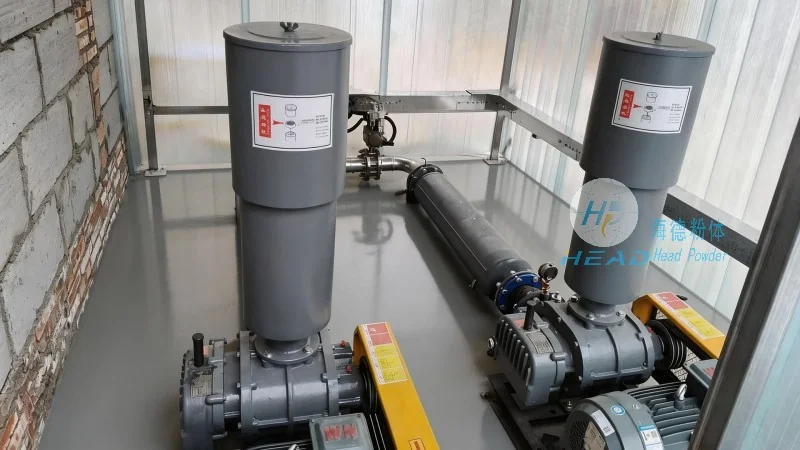
The pressure or vacuum source, such as a blower or a vacuum pump, provides the necessary air flow to move the powder. The choice of equipment depends on the system's capacity and the required pressure. In positive pressure systems, blowers are commonly used, while vacuum pumps are preferred in negative pressure systems. The discharge mechanism at the end of the conveyor line is responsible for releasing the CMC powder into the target location, such as a storage silo or a processing unit. This component must be designed to prevent material spillage and ensure smooth discharge, especially when dealing with fine powders that can be difficult to handle.
Addressing Challenges in CMC Powder Pneumatic Conveying
Despite its advantages, pneumatic conveying of CMC powder can present several challenges that must be addressed through careful system design. One common issue is the tendency of fine powders to form blockages or agglomerates, which can lead to system downtime and material loss. To mitigate this, the system may include cleaning mechanisms, such as pulse jets or air knives, that periodically clear the conveyor line. Another challenge is the risk of material degradation due to friction or high temperatures, which can affect the powder's performance in downstream applications. Proper insulation of the conveyor line and the use of low-friction materials can help minimize these effects.

Additionally, the system must be designed to handle variations in CMC powder properties, such as changes in moisture content or particle size distribution. This may require adjustable components, such as variable speed feeders or air flow controllers, to maintain consistent performance. The integration of sensors and monitoring systems can also help detect issues early, allowing for timely maintenance and preventing major disruptions.
Conclusion and Company Overview
Pneumatic conveying is a critical technology for the efficient and reliable transport of carboxymethyl cellulose powder, and its successful implementation relies on a thorough understanding of the material's properties and the application of sound design principles. By addressing factors such as air velocity, static control, and system layout, engineers can develop systems that minimize downtime, reduce energy consumption, and maintain the quality of the CMC powder. Shandong HeadPowder Engineering Co., Ltd., a leading provider of powder handling solutions, specializes in designing and manufacturing pneumatic conveying systems tailored to the unique needs of CMC powder applications. With a focus on innovation and customer satisfaction, HeadPowder offers comprehensive solutions that ensure optimal performance and long-term reliability for its clients. Based in Shandong, China, HeadPowder leverages its expertise to deliver high-quality equipment and support to industries worldwide.