

What is a Dry Ash Powder Pneumatic Conveying System? And What Are Its Design Principles?
This article aims to provide a comprehensive overview of dry ash powder pneumatic conveying systems, focusing on their fundamental design principles and the technical aspects that define their operation. As a key component in industrial material handling, these systems are essential for efficiently transporting dry powders and fine particles, such as fly ash from power plants, over long distances with minimal loss and contamination.
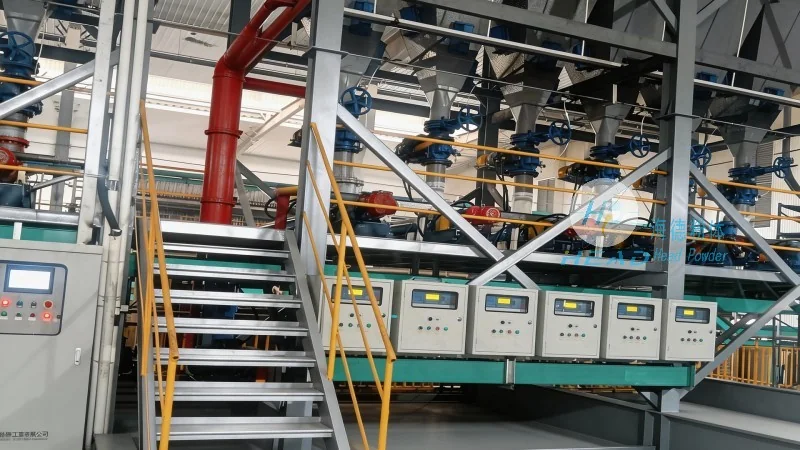
About HeadPowder: Your Trusted Partner in Pneumatic Conveying Solutions
HeadPowder, or Shandong HeadPowder Engineering Co., Ltd., is a leading manufacturer and supplier of advanced pneumatic conveying systems based in Shandong, China. With years of experience in the industry, the company specializes in designing, manufacturing, and installing customized solutions tailored to the unique needs of clients in various sectors, including power generation, cement production, and chemical processing. HeadPowder's commitment to quality, innovation, and customer satisfaction has established it as a reliable partner for businesses seeking efficient and reliable material handling solutions.
Working Principle of Dry Ash Powder Pneumatic Conveying Systems
The core of a dry ash powder pneumatic conveying system lies in its ability to transport dry powders using compressed air or other gases. The system typically consists of a hopper or feeder to store the material, a compressor to generate the necessary air pressure, a pipeline network to carry the material and air mixture, and a receiver or discharge unit to collect the material at the destination. The design principles revolve around optimizing the flow of material and air to ensure efficient transport while minimizing pressure drop and wear on components.
One of the primary design considerations is the selection of the appropriate conveying method, which can be categorized into pressure or vacuum systems. Pressure systems use compressed air to push the material through the pipeline, while vacuum systems use a vacuum to pull the material. For dry ash, pressure systems are often preferred due to their ability to handle high concentrations of material and maintain consistent flow rates. The system's design also includes features such as air locks, filters, and cyclones to separate the material from the air and prevent contamination, ensuring the material remains dry and free from moisture or other impurities.
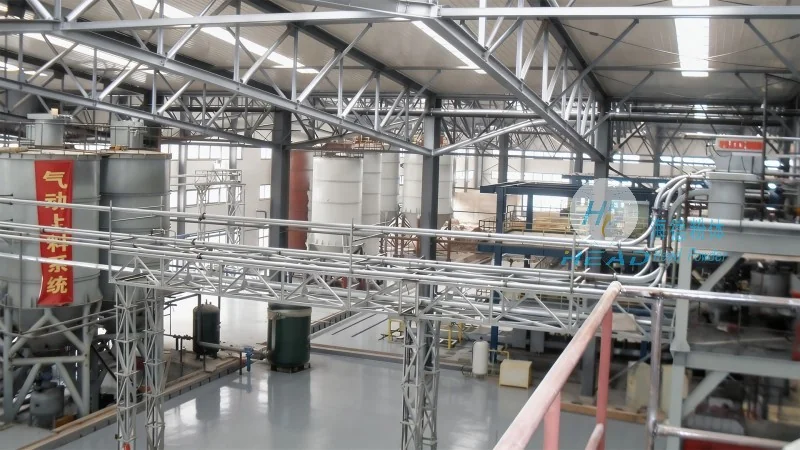
Key Design Principles for Optimal Performance
Several critical design principles are essential for the efficient operation of dry ash powder pneumatic conveying systems. First, the selection of the right air velocity is crucial. The air velocity must be high enough to keep the material suspended in the air stream but low enough to prevent excessive wear on the pipeline and components. This balance is achieved through careful calculation of the material's properties, such as particle size, density, and flowability, and the system's operating pressure. Second, the system's layout and pipeline design play a significant role in minimizing pressure losses. The use of smooth, straight pipelines with minimal bends and fittings reduces friction and ensures that the air and material mixture can travel efficiently from the source to the destination. Additionally, the inclusion of expansion joints and flexible connectors helps to accommodate thermal expansion and reduce stress on the system.
Another important design principle is the control of material flow and air distribution. The system incorporates control valves, such as rotary air locks or slide gates, to regulate the flow of material into the pipeline and maintain consistent pressure. These components help to prevent blockages and ensure that the material is conveyed at a steady rate. The design also considers the need for filtration and separation systems to remove any fines or dust from the air stream, protecting the environment and maintaining the quality of the conveyed material. Finally, the system's safety features, including pressure relief valves and emergency shut-off mechanisms, are integrated to ensure safe operation and protect personnel and equipment from potential hazards.
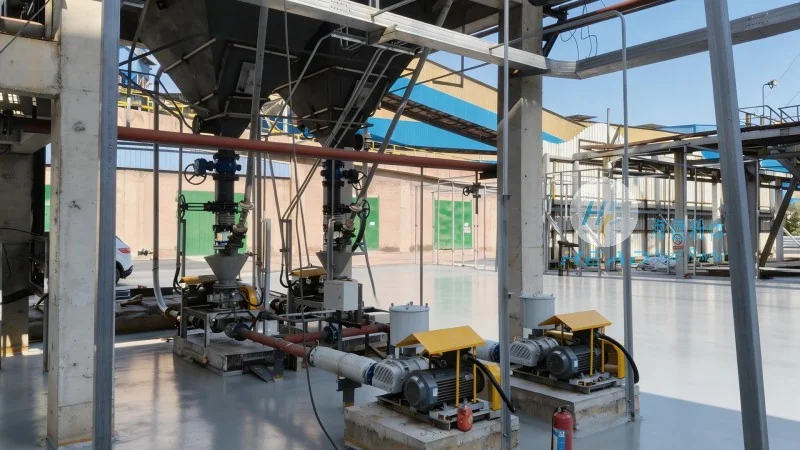
Advantages of Dry Ash Powder Pneumatic Conveying Systems
Implementing a dry ash powder pneumatic conveying system offers several advantages over traditional methods, such as bucket elevators or belt conveyors. One of the most significant benefits is the ability to transport material over long distances with minimal loss and contamination. The enclosed pipeline system prevents dust from escaping into the environment, reducing the risk of air pollution and ensuring compliance with environmental regulations. Additionally, the system is highly efficient in terms of energy consumption, as it uses compressed air to transport material, which is more energy-efficient than mechanical systems that rely on motors and gears.
Another advantage is the flexibility of the system. The pipeline network can be easily reconfigured or expanded to accommodate changes in production requirements or facility layout. This adaptability makes the system suitable for a wide range of applications, from small-scale operations to large industrial plants. The system also allows for the transportation of multiple materials in the same pipeline, as long as they are compatible and do not cause blockages. This feature can help to reduce costs and improve operational efficiency by minimizing the need for separate handling equipment.
Conclusion: Choosing the Right Pneumatic Conveying System for Your Needs
For businesses dealing with dry ash and other fine powders, a well-designed dry ash powder pneumatic conveying system is an essential investment. The system's ability to efficiently transport material while maintaining quality and minimizing environmental impact makes it a preferred choice over traditional methods. By understanding the key design principles and working with a reputable manufacturer like HeadPowder, companies can ensure that their material handling operations are optimized for performance, reliability, and sustainability. Whether you are in the power generation, cement, or chemical industry, a custom-designed pneumatic conveying system from HeadPowder can help to improve your operational efficiency and reduce costs in the long run.