

What is a Steel and Lime Powder Pneumatic Conveying System? What are its Design Principles?
HeadPowder, a leading engineering firm based in Shandong, China, specializes in the design and implementation of advanced pneumatic conveying systems tailored for industrial applications. Among their core offerings is the steel and lime powder pneumatic conveying system, a critical solution for efficiently handling bulk powders in manufacturing environments.
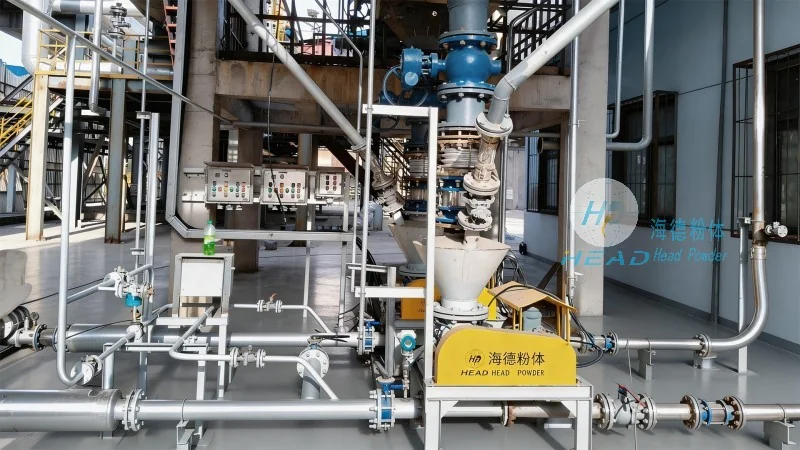
Understanding the Steel and Lime Powder Pneumatic Conveying System
A steel and lime powder pneumatic conveying system is a specialized industrial equipment designed to transport dry powders, such as steel dust or lime powder, through a pipeline using air or gas as the conveying medium. This method offers a highly efficient and reliable alternative to traditional mechanical conveying systems, particularly in environments where dust control, material handling, and process integration are paramount.
Design Principles of the Pneumatic Conveying System
The design of a steel and lime powder pneumatic conveying system is based on fundamental principles of fluid dynamics and material handling. The core components include a material feed hopper, a conveyor line, a pressure or vacuum source, and a discharge unit. The system operates by creating a flow of air within the pipeline, which entrains the powder particles and transports them from the source to the destination. Key design considerations include the particle size and density of the material, the required conveying distance, and the desired flow rate. Engineers at HeadPowder meticulously calculate these parameters to ensure optimal performance and minimal energy consumption.
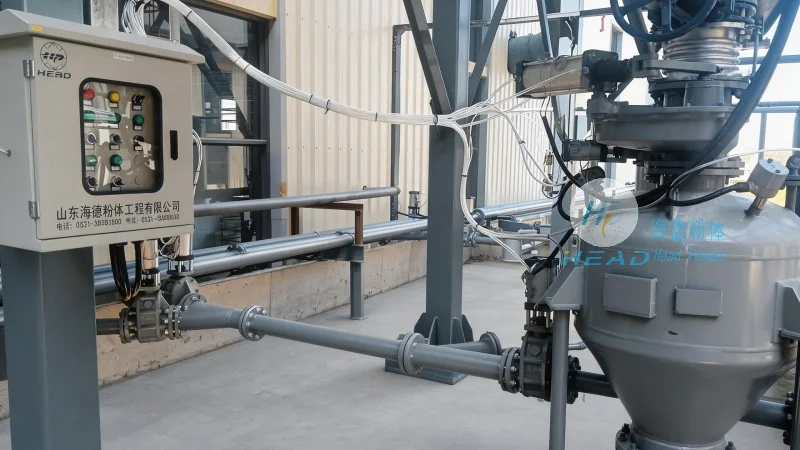
Key Components and Their Functions
The steel and lime powder pneumatic conveying system comprises several critical components, each playing a vital role in the overall operation. The material feed hopper is responsible for storing and feeding the powder into the system, often equipped with a rotary valve or screw feeder to control the flow rate. The conveyor line, typically made of stainless steel or other corrosion-resistant materials, ensures the material is transported safely and efficiently. The pressure or vacuum source, such as a blower or vacuum pump, generates the necessary airflow to move the powder. The discharge unit, which may include a rotary valve or a surge tank, regulates the release of the material at the destination. Additionally, the system may include accessories like filters, cyclones, and silencers to manage dust, maintain air quality, and reduce noise levels.
Applications in Industrial Settings
Steel and lime powder pneumatic conveying systems are widely used in various industrial sectors, including steel manufacturing, chemical processing, and food processing. In steel plants, these systems are essential for transporting steel dust, lime, and other additives to the production lines, ensuring consistent material supply and reducing the risk of dust-related hazards. In chemical plants, they facilitate the handling of lime powder, which is crucial for processes like flue gas desulfurization. The systems are also employed in food processing facilities to convey powdered ingredients, maintaining hygiene and preventing contamination.
Advantages of the Pneumatic Conveying System
Compared to traditional mechanical conveying methods, the steel and lime powder pneumatic conveying system offers several advantages. Firstly, it eliminates the need for moving parts in the conveying line, reducing maintenance costs and increasing system reliability. Secondly, it provides excellent dust control, as the material is contained within the pipeline, minimizing environmental pollution and health risks. Thirdly, the system allows for flexible routing, enabling the material to be transported to multiple destinations from a single source. Additionally, it can handle a wide range of particle sizes and densities, making it suitable for diverse industrial applications. The energy efficiency of the system, particularly when using vacuum technology, further enhances its appeal in modern manufacturing environments.
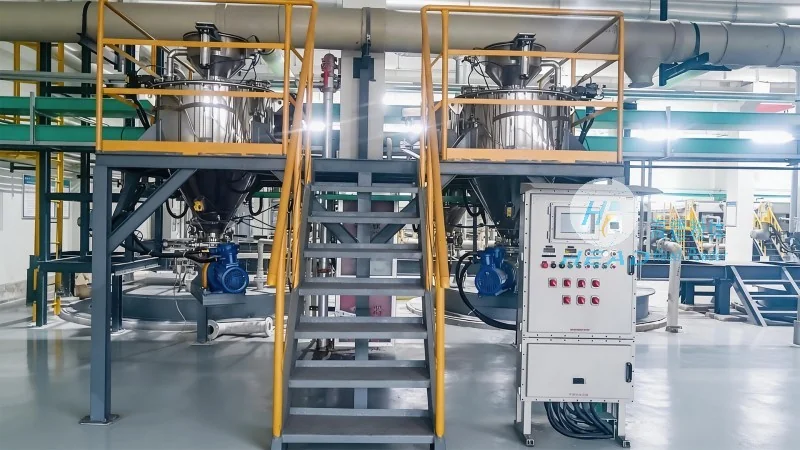
Design Considerations for Optimal Performance
When designing a steel and lime powder pneumatic conveying system, several factors must be carefully considered to ensure optimal performance and longevity. The first consideration is the material properties, including particle size, density, and moisture content, as these affect the conveying velocity and pressure requirements. The second factor is the conveying distance and elevation changes, which determine the required pressure or vacuum level. The third consideration is the system layout, including the number of bends and the length of the pipeline, as these impact the overall pressure drop and energy consumption. Engineers at HeadPowder utilize advanced software and computational fluid dynamics (CFD) simulations to model the system and optimize the design parameters. This approach ensures that the final system meets the client's specific requirements while minimizing operational costs and maximizing efficiency.
Conclusion
HeadPowder's steel and lime powder pneumatic conveying system represents a sophisticated solution for the efficient and reliable handling of bulk powders in industrial settings. By leveraging advanced design principles and high-quality components, the system offers significant advantages over traditional conveying methods, including improved dust control, reduced maintenance, and flexible routing. With a strong presence in Shandong, China, HeadPowder continues to provide tailored solutions to meet the diverse needs of its clients, ensuring that their pneumatic conveying systems are built to last and deliver exceptional performance.