

Calcium Chloride Material Pneumatic Conveying System: What It Is and Its Design Principles
Calcium chloride is a widely used chemical compound in various industrial applications, and the efficient handling of this material often requires specialized equipment. A calcium chloride material pneumatic conveying system is a technology designed to transport calcium chloride powder or granules through a pipeline using air or other gas as the conveying medium. This method offers advantages such as dust-free operation, reduced material degradation, and the ability to handle materials in a closed system, making it suitable for applications where hygiene and product quality are critical.

What Is a Calcium Chloride Material Pneumatic Conveying System?
A calcium chloride material pneumatic conveying system is a type of pneumatic conveying equipment specifically engineered to transport calcium chloride, a hygroscopic and often fine-grained chemical. The system typically consists of a feeding device, a conveying line, a control system, and a discharge unit. The core principle involves creating a pressure differential to move the material through the pipeline. The system can be either positive pressure (where air is blown into the line to push the material) or negative pressure (where air is drawn out to pull the material). The choice between these depends on factors like material properties, distance, and system layout.
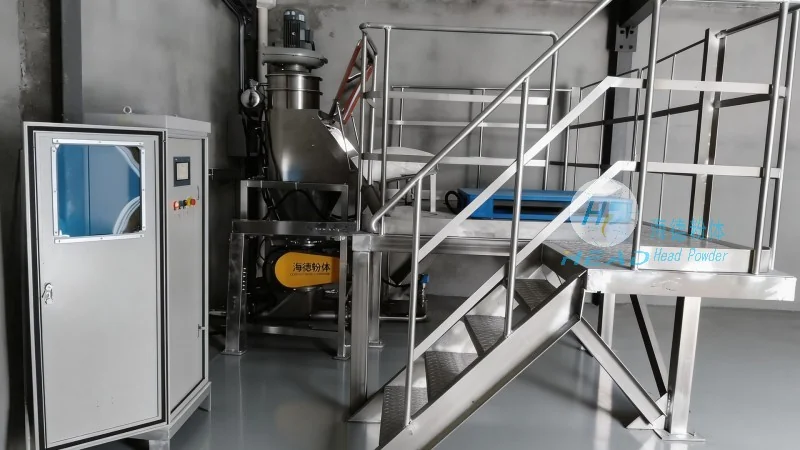
Key Components of the System
The calcium chloride material pneumatic conveying system comprises several essential components that work together to ensure efficient and reliable operation. The feeding device, often a rotary valve or a star feeder, introduces the material into the conveying line at a controlled rate. The conveying line itself is usually made of materials resistant to corrosion, such as stainless steel or special plastics, to withstand the chemical properties of calcium chloride. The control system manages the air flow and pressure, ensuring consistent material transport. Finally, the discharge unit, which may include a filter or a cyclone separator, collects the material at the end of the line, preventing dust and ensuring a clean discharge.
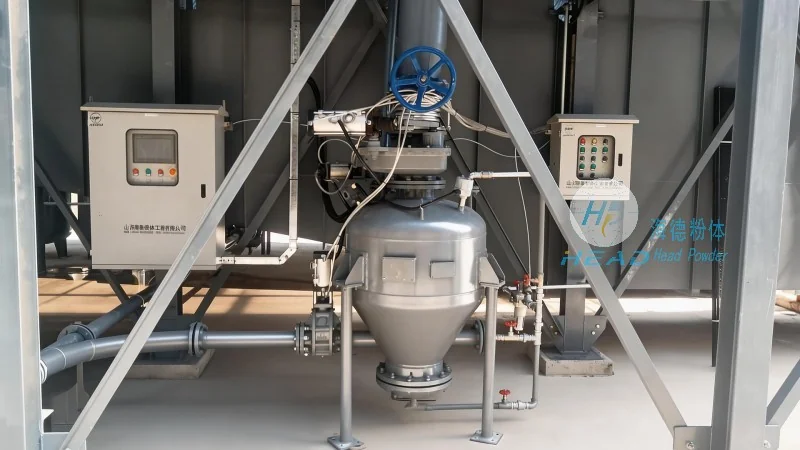
Design Principles for Calcium Chloride Pneumatic Conveying
The design of a calcium chloride material pneumatic conveying system follows specific principles to optimize performance and ensure safety. First, the system must consider the physical and chemical properties of calcium chloride, such as its hygroscopic nature and potential to clump or agglomerate. This requires careful selection of materials for the conveying line and components to prevent blockages and corrosion. Second, the system's capacity and flow rate must be matched to the production requirements, ensuring that the conveying line can handle the desired volume of material without excessive pressure drops or energy consumption. Third, the system must incorporate safety features, such as pressure relief valves and dust collection systems, to protect against overpressure and environmental contamination. Additionally, the design should account for the system's layout, including the length of the conveying line, the number of bends, and the elevation changes, as these factors affect the required air pressure and power.
Advantages of Using a Pneumatic Conveying System for Calcium Chloride
Implementing a calcium chloride material pneumatic conveying system offers several benefits over traditional methods like belt conveyors or bucket elevators. One of the primary advantages is the ability to operate in a closed system, which minimizes dust emissions and protects the material from moisture and contamination. This is particularly important for calcium chloride, which is hygroscopic and can absorb moisture from the air, affecting its performance. Another advantage is the reduced risk of material degradation, as the material is not subjected to mechanical stress or impact during transport. The system also allows for flexible layout designs, as the conveying line can be installed in various configurations to suit the plant layout. Furthermore, the system can be integrated with other process equipment, such as storage silos or processing units, to create a seamless material handling workflow.
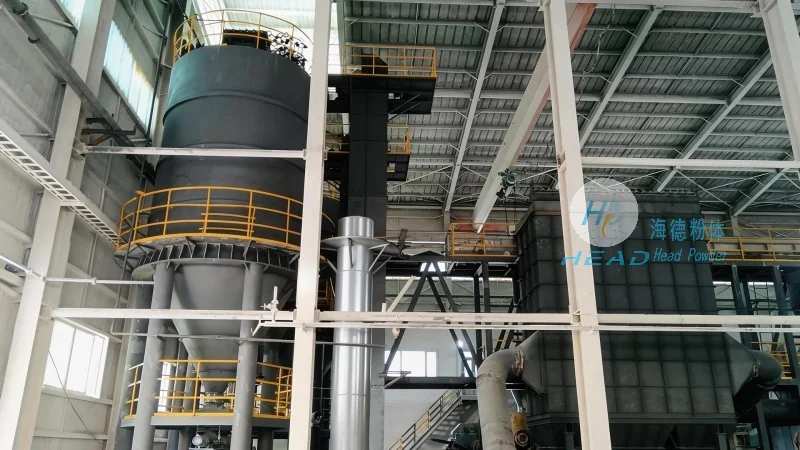
Application Examples in Industry
Calcium chloride material pneumatic conveying systems are widely used in various industries that rely on calcium chloride as a raw material or a processing aid. In the construction industry, calcium chloride is used as a de-icing agent and a concrete admixture, and the pneumatic conveying system ensures efficient transport from storage silos to mixing plants. In the chemical industry, calcium chloride is used in the production of other chemicals, and the system facilitates the transfer of the material between processing stages. Additionally, in the food and pharmaceutical industries, where calcium chloride is used as a food additive or a preservative, the closed system of the pneumatic conveying system maintains product purity and safety. These applications highlight the versatility and effectiveness of the system in handling calcium chloride in different industrial settings.