

What is a Tote Bag Unloading Pneumatic Conveying System? And What Are Its Design Principles?
When it comes to handling bulk materials efficiently, especially in industrial settings, the tote bag unloading material pneumatic conveying system has emerged as a critical solution. This equipment is designed to streamline the process of transferring materials from large tote bags into processing or storage systems. Understanding its functionality and design principles is essential for industries that rely on consistent and reliable material handling. In this article, we explore the components, working mechanisms, and design considerations of such systems, with a focus on the expertise of Shandong HeadPowder Engineering Co., Ltd., a leading provider in this field based in Shandong, China.

Introduction to Tote Bag Unloading Pneumatic Conveying Systems
A tote bag unloading material pneumatic conveying system is a specialized piece of equipment used to transfer bulk materials from tote bags into a processing or storage system. These systems are particularly useful in industries such as chemicals, food processing, pharmaceuticals, and mining, where large quantities of materials need to be handled safely and efficiently. The primary goal of this equipment is to automate the unloading process, reducing manual labor and minimizing the risk of material contamination or spillage. By integrating pneumatic conveying technology with tote bag handling, these systems offer a seamless solution for material transfer from the point of arrival to the point of use.
Key Components of the Tote Bag Unloading Pneumatic Conveying System
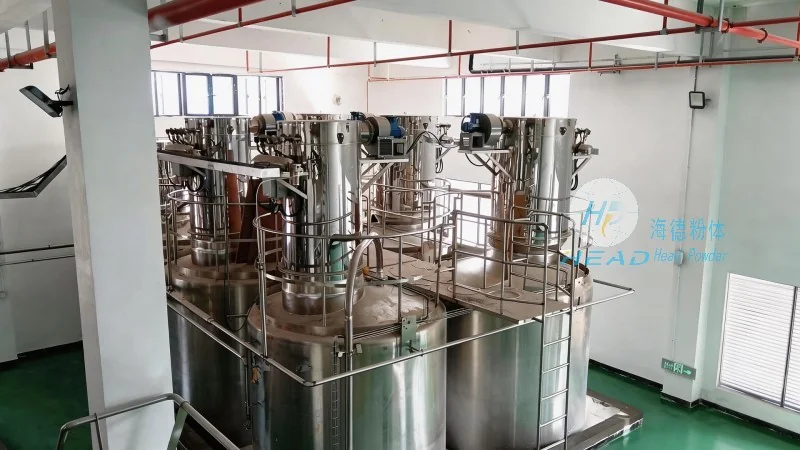
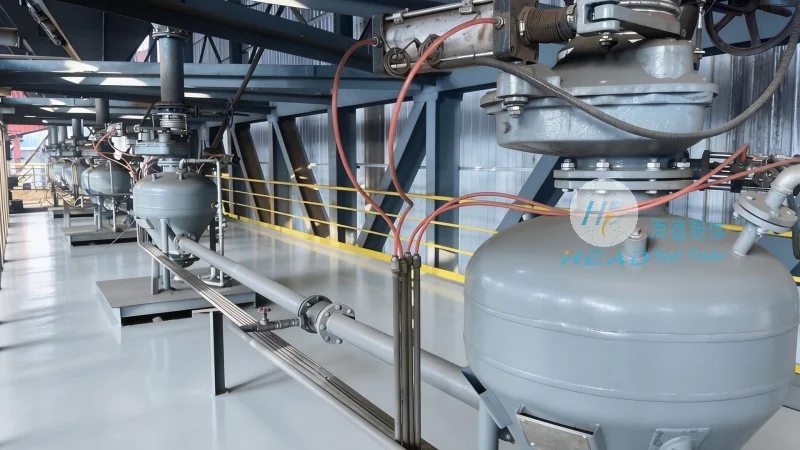
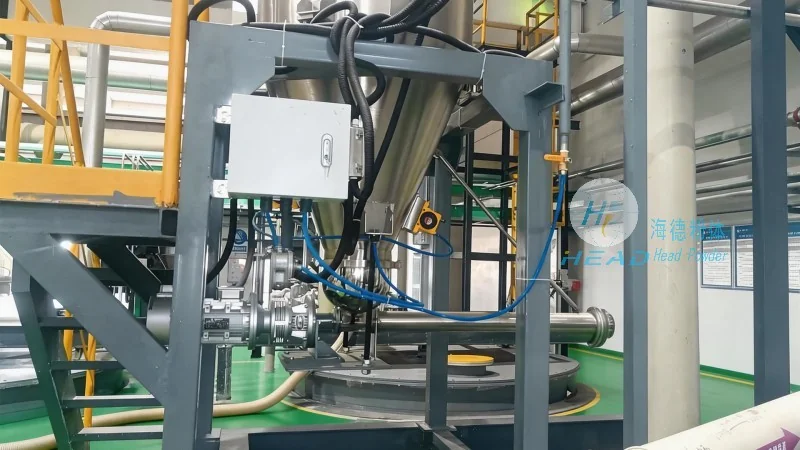
The effectiveness of a tote bag unloading pneumatic conveying system relies on several key components that work in tandem to ensure smooth operation. The main components include the tote bag unloader, the pneumatic conveying line, the material receiver, and the control system. The tote bag unloader is responsible for opening the tote bag and releasing the material into the conveying line. This component may include a hopper or a rotary valve to control the flow of material. The pneumatic conveying line consists of pipes, fittings, and a blower or air compressor that generates the air flow needed to move the material. The material receiver is where the material is deposited after being conveyed. The control system manages the entire process, ensuring that the unloading and conveying operations are synchronized and efficient.
Working Principle of the Tote Bag Unloading Pneumatic Conveying System
The working principle of a tote bag unloading pneumatic conveying system is based on the use of air pressure to transport materials. When a tote bag is placed on the unloader, the system opens the bag and allows the material to fall into a hopper or a rotary valve. The blower then generates a flow of air that carries the material particles through the conveying line. The air flow is directed through the pipes, and the material is suspended and transported to the receiver. The system uses either positive or negative pressure, depending on the specific requirements of the material and the application. Positive pressure systems push the material through the line using compressed air, while negative pressure systems create a vacuum to draw the material. The choice of pressure type depends on factors such as material characteristics, distance to be conveyed, and the need to prevent dust emissions.
Design Principles and Considerations
The design of a tote bag unloading pneumatic conveying system involves several key principles to ensure optimal performance and reliability. First, the system must be designed to handle the specific characteristics of the material being conveyed, including its size, density, and moisture content. The material's flow properties, such as its angle of repose and cohesion, are critical factors in determining the appropriate conveying method and equipment selection. Second, the system must be designed to minimize material degradation and contamination. This includes using appropriate materials for the conveying line and components, and ensuring that the system is properly sealed to prevent dust or other contaminants from entering. Third, the system must be designed for ease of maintenance and cleaning. This includes features such as easy access to components, removable parts, and cleaning mechanisms to prevent material buildup and blockages. Fourth, the system must be designed for energy efficiency. This involves selecting the appropriate blower or air compressor, and optimizing the air flow to minimize energy consumption. Finally, the system must be designed for safety, including features such as pressure relief valves, emergency shut-off systems, and proper ventilation to prevent dust explosions or other hazards.
Applications and Benefits of Tote Bag Unloading Pneumatic Conveying Systems
Tote bag unloading pneumatic conveying systems are used in a wide range of applications across various industries. In the chemical industry, these systems are used to transfer powders and granules from tote bags into reactors or storage tanks. In the food processing industry, they are used to handle ingredients such as flour, sugar, and spices, ensuring that the materials are transferred without contamination. In the pharmaceutical industry, they are used to handle active pharmaceutical ingredients (APIs) and other sensitive materials, maintaining the integrity and purity of the product. In the mining industry, they are used to transfer bulk materials such as ore and coal from tote bags into processing equipment. The benefits of using these systems include increased efficiency, reduced labor costs, improved safety, and minimized material loss or contamination. By automating the unloading and conveying process, these systems allow for faster and more consistent material handling, which can lead to increased productivity and reduced downtime.
Conclusion
In conclusion, a tote bag unloading material pneumatic conveying system is a vital piece of equipment for industries that handle bulk materials. By understanding its components, working principles, and design considerations, businesses can select and implement an effective system that meets their specific needs. The expertise of companies like Shandong HeadPowder Engineering Co., Ltd. plays a crucial role in ensuring that these systems are designed and manufactured to the highest standards, providing reliable and efficient material handling solutions. As industries continue to demand more efficient and sustainable material handling solutions, the tote bag unloading pneumatic conveying system remains a key technology in achieving these goals.