

What is a Corn Material Pneumatic Conveying Machine? And What Are Its Design Principles?
For industries dealing with corn and other bulk materials, efficient and reliable material handling is crucial. A corn material pneumatic conveying machine is a specialized piece of equipment designed to transport corn and similar granular or powdery materials through a system using air pressure. This technology offers a clean, low-maintenance, and flexible solution for moving bulk materials over short to medium distances.
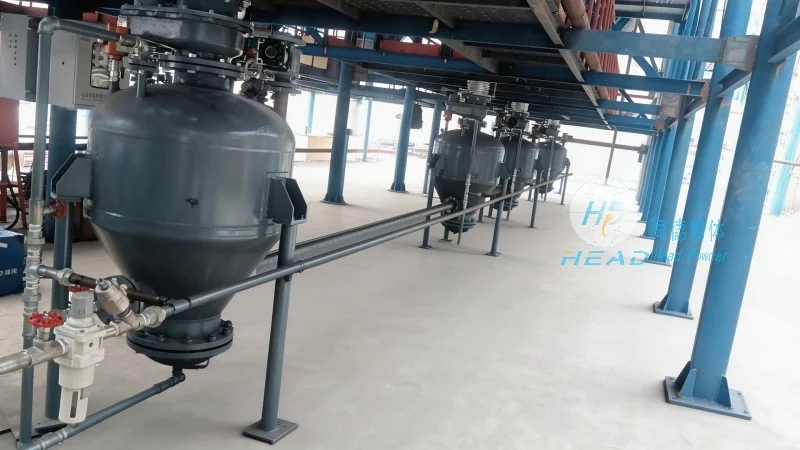
HeadPowder, a leading manufacturer based in Shandong, China, specializes in designing and producing high-quality pneumatic conveying systems tailored for corn processing applications. The company’s expertise lies in creating customized solutions that meet the specific needs of corn handling operations, ensuring optimal performance and durability.
Understanding the Core Function of Pneumatic Conveying
The primary function of a corn material pneumatic conveying machine is to transport corn and related materials from a source to a destination using air as the conveying medium. Unlike traditional mechanical conveyors, which rely on belts, chains, or screws, pneumatic systems utilize air pressure to move materials through a pipeline network. This method is particularly effective for handling fine or dusty materials like corn, as it minimizes product contamination and reduces the risk of material degradation.
Key Design Principles of Corn Pneumatic Conveying Systems
The design of a corn material pneumatic conveying machine involves several critical principles to ensure efficient operation. First, the system must be capable of generating sufficient air pressure to move the corn through the pipeline. This is typically achieved using a positive displacement blower or a rotary lobe blower, which provides the necessary airflow and pressure to overcome resistance in the pipeline.
Second, the system must be designed to handle the specific characteristics of corn. Corn is a granular material with a certain density and size distribution, which affects how it behaves in the conveying system. The design must account for factors such as particle size, moisture content, and bulk density to ensure smooth and consistent transport. HeadPowder’s engineers consider these factors when designing custom systems, ensuring that the equipment can handle the unique properties of corn without clogging or inefficiency.
Components and Working Mechanism
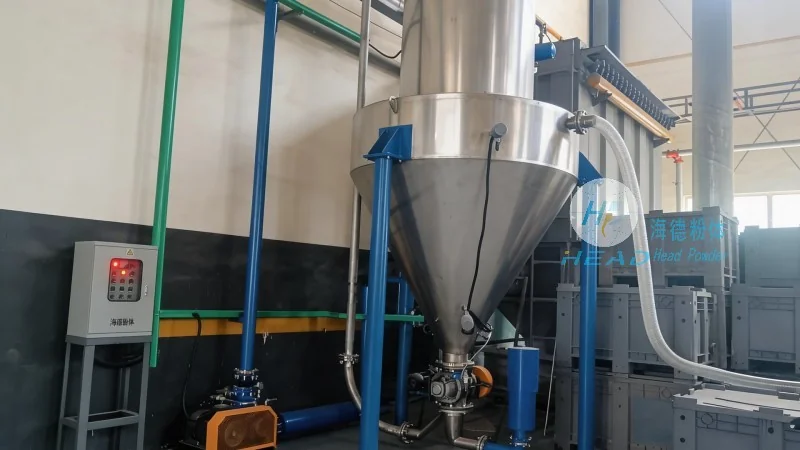
A typical corn material pneumatic conveying machine consists of several key components, each playing a vital role in the overall operation. The main components include a blower or compressor, a hopper or feeder to supply the corn, a pipeline network, and a receiver or discharge point. The process begins when corn is fed into the hopper, which then transfers the material into the pipeline under the pressure of the blower.
The blower creates a high-pressure air stream that pulls the corn particles into the pipeline. As the air and corn travel through the pipeline, they move towards the discharge point. The receiver, often a hopper or storage bin, collects the corn as it exits the pipeline. The system may also include additional components such as filters, cyclones, or rotary valves to control the flow and ensure that the corn is delivered to the correct location without spillage or contamination.
Advantages of Using Corn Pneumatic Conveying Machines
Compared to traditional mechanical conveyors, corn material pneumatic conveying machines offer several advantages. One of the most significant benefits is the ability to handle fine or dusty materials without the risk of product contamination. The enclosed pipeline system prevents dust from escaping into the environment, making it ideal for applications where hygiene and environmental compliance are critical. Additionally, pneumatic systems are less prone to clogging, as the air pressure helps to keep the corn particles moving smoothly through the pipeline.
Another advantage is the flexibility of the system. Corn material pneumatic conveying machines can be easily reconfigured or expanded to accommodate changes in production volume or processing requirements. The modular design allows for the addition of new pipelines or components without major modifications to the existing system. This flexibility makes the equipment suitable for a wide range of corn processing applications, from small-scale farms to large industrial facilities.
Customization and Application in Corn Processing
HeadPowder recognizes that each corn processing operation has unique requirements. Therefore, the company offers customized pneumatic conveying solutions tailored to the specific needs of its clients. The design process involves working closely with customers to understand their production processes, material characteristics, and operational goals. Based on this information, HeadPowder’s engineers design a system that maximizes efficiency, minimizes downtime, and ensures long-term reliability.
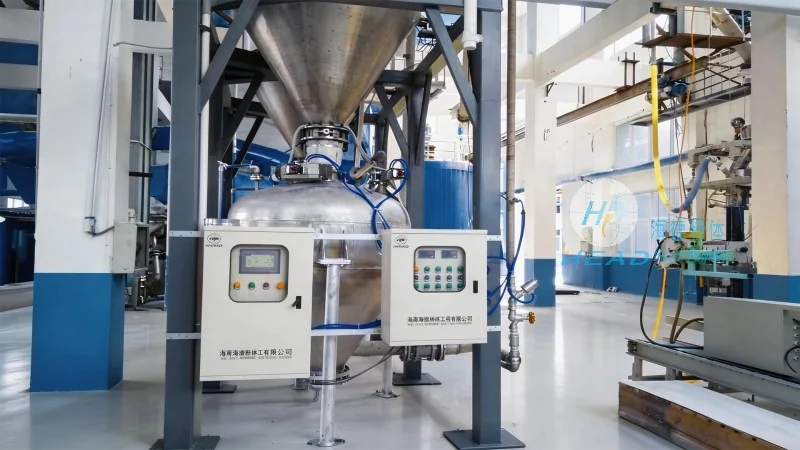
These customized systems are commonly used in various corn processing applications, including grain storage, milling, and packaging. For example, in grain storage facilities, the pneumatic conveying machine can transport corn from storage bins to processing lines, ensuring a continuous supply of raw material. In milling operations, the system can move corn from the storage area to the grinding equipment, where it is processed into flour or other products. In packaging facilities, the machine can transport finished corn products to packaging lines, ensuring a smooth and efficient production flow.
Maintenance and Durability Considerations
Like any industrial equipment, corn material pneumatic conveying machines require regular maintenance to ensure optimal performance and longevity. HeadPowder emphasizes the importance of proper maintenance in its customer support services. Regular maintenance tasks include checking the blower for wear and tear, cleaning the pipeline and filters to prevent clogging, and inspecting the hopper and feeder for any signs of damage or wear.
The durability of the equipment is another key factor in its long-term performance. HeadPowder uses high-quality materials, such as stainless steel and corrosion-resistant components, to construct its pneumatic conveying systems. These materials are designed to withstand the harsh conditions of corn processing, including moisture, dust, and high temperatures. The robust construction ensures that the equipment can operate reliably for many years, providing a low-cost solution for corn material handling.
Conclusion
Corn material pneumatic conveying machines are an essential component of modern corn processing operations. They offer a clean, efficient, and flexible solution for transporting corn and related materials, helping to improve productivity and reduce operational costs. HeadPowder, with its expertise in designing and manufacturing high-quality pneumatic conveying systems, provides reliable solutions for corn processing facilities worldwide. By understanding the design principles and components of these machines, corn processing operations can make informed decisions to enhance their material handling capabilities and achieve their production goals.