

Working Principle and Characteristics of Desulfurization and Dust Removal Fly Ash Pneumatic Conveyin
Desulfurization and dust removal fly ash is a critical byproduct in industrial processes, particularly in power plants and industrial boilers. The efficient handling and transportation of this material are essential for environmental compliance and operational efficiency. Pneumatic conveying systems have emerged as a reliable solution for transporting fly ash from desulfurization and dust removal units. This article explores the working principle and key characteristics of such systems, highlighting their role in modern industrial waste management.
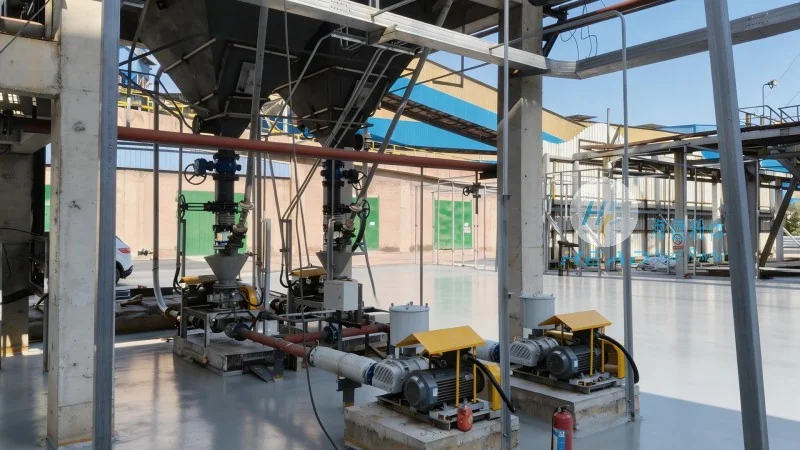
Working Principle of Desulfurization and Dust Removal Fly Ash Pneumatic Conveying
The pneumatic conveying system for desulfurization and dust removal fly ash operates based on the principle of using compressed air or gas to transport particulate materials through a pipeline. The process typically involves several key components and steps. First, the fly ash is collected from the desulfurization and dust removal equipment and fed into a hopper or feeder. The feeder then controls the flow rate of the ash into the conveying line. Next, a high-pressure air compressor generates the necessary air pressure to create a flow within the pipeline. The compressed air, mixed with the fly ash particles, forms a slurry-like stream that moves through the pipeline to the destination point, such as a storage silo or disposal site. At the receiving end, a separator or cyclone separates the air from the ash, allowing the ash to be deposited while the air is either recirculated or released. This closed-loop system ensures minimal dust emissions and environmental impact.
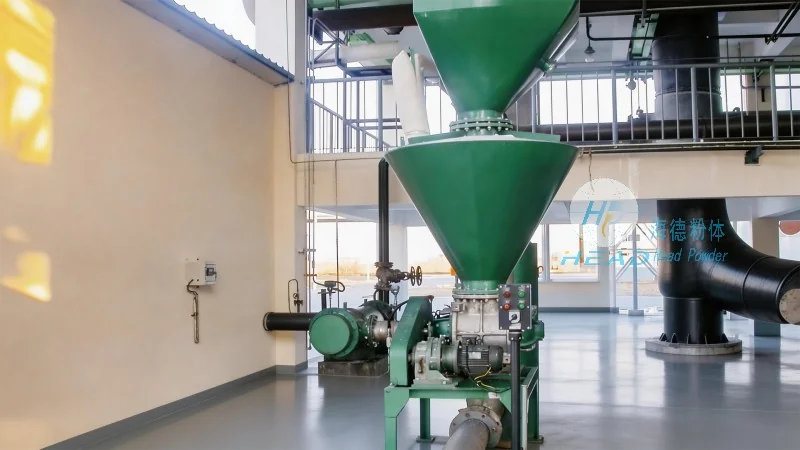
Key Characteristics of the Pneumatic Conveying System for Fly Ash
The pneumatic conveying system for desulfurization and dust removal fly ash exhibits several distinct characteristics that make it an attractive option for industrial applications. Firstly, it offers high efficiency in material transport, with the ability to handle large volumes of fly ash over long distances without the need for mechanical components like conveyors or elevators. This reduces maintenance costs and operational downtime. Secondly, the system is highly flexible, allowing for changes in the conveying route or destination without significant modifications to the infrastructure. Thirdly, it provides excellent environmental performance by containing dust within a closed system, preventing air pollution and ensuring compliance with environmental regulations. Additionally, the system can be integrated with other industrial processes, such as ash utilization or recycling, enhancing overall plant efficiency. The use of advanced materials and design in the pipeline and components ensures durability and resistance to corrosion, which is crucial for handling the acidic and abrasive nature of fly ash. Finally, the system can be automated, with sensors and control systems monitoring the flow rate, pressure, and other parameters to maintain optimal performance and safety.
Application Scenarios and Benefits
The pneumatic conveying system for desulfurization and dust removal fly ash is widely used in various industrial settings. In power plants, it is commonly employed to transport fly ash from the flue gas desulfurization (FGD) system to storage silos or disposal sites. The system can handle the large volumes of ash generated by modern power plants, ensuring that the ash is managed in an environmentally responsible manner. In industrial boilers and other combustion facilities, the system is used to remove dust and ash from the exhaust gases, improving the efficiency of the combustion process and reducing emissions. The benefits of using this system include reduced labor costs due to automated operation, lower energy consumption compared to traditional methods, and improved safety by minimizing human exposure to dust and ash. Furthermore, the system can be adapted to handle different types of fly ash, including those with varying particle sizes and moisture content, making it versatile for diverse industrial applications. The integration of the system with other plant processes, such as ash utilization for cement production or other industrial applications, can also provide additional economic benefits by reducing waste disposal costs and generating revenue from the ash.
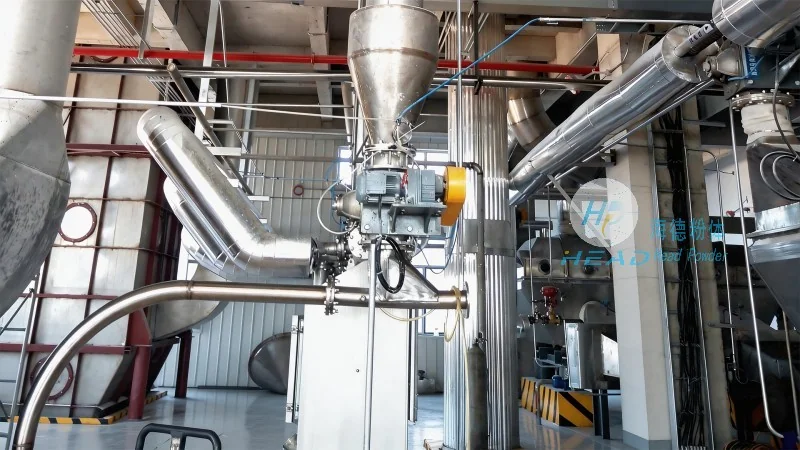
Shandong HeadPowder Engineering Co., Ltd., a leading provider of industrial material handling solutions, specializes in designing and manufacturing pneumatic conveying systems tailored to the needs of desulfurization and dust removal operations. With a focus on innovation and quality, the company has developed advanced systems that meet the highest standards of efficiency, reliability, and environmental compliance. The company's expertise in material handling technology, combined with its understanding of industrial processes, enables it to deliver customized solutions that address the unique challenges faced by power plants and industrial facilities. By leveraging the latest advancements in pneumatic conveying technology, HeadPowder ensures that its systems are optimized for performance, durability, and cost-effectiveness. The company's commitment to customer satisfaction and environmental responsibility has made it a trusted partner for industrial clients seeking efficient and sustainable solutions for fly ash management. Whether for new plant installations or retrofitting existing systems, HeadPowder offers comprehensive services, including system design, installation, and maintenance, to support its clients in achieving their operational and environmental goals.