

Working Principle and Features of Caustic Soda Pneumatic Conveying Systems
Caustic soda, also known as sodium hydroxide (NaOH), is a widely used chemical in various industrial processes, including manufacturing, water treatment, and chemical synthesis. The efficient and safe transportation of caustic soda from storage to processing units is crucial for maintaining production efficiency and ensuring operational safety. Pneumatic conveying systems have emerged as a preferred method for handling caustic soda due to their ability to transport the material in a closed system, minimizing exposure risks and environmental contamination. This article explores the working principle and key features of caustic soda pneumatic conveying systems, highlighting their advantages and practical applications.
Working Principle of Caustic Soda Pneumatic Conveying Systems
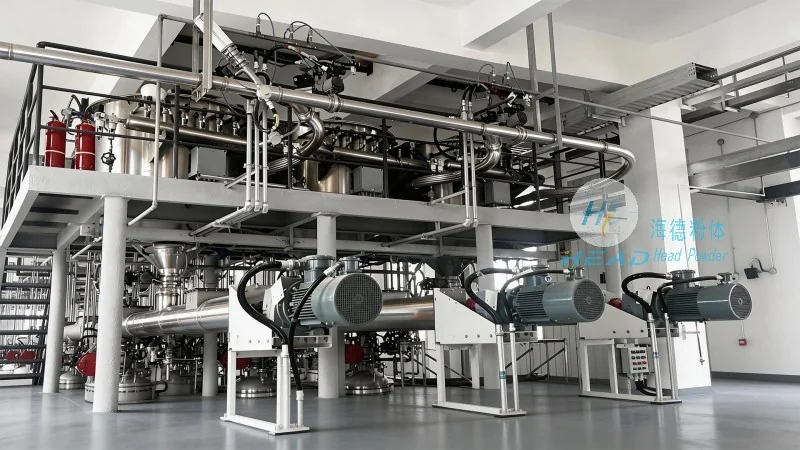
The core working principle of a caustic soda pneumatic conveying system involves the use of compressed air or other gas to transport the solid material through a pipeline. The system typically consists of several key components, including a hopper, a rotary airlock valve, a conveying line, and a receiver. The process begins with the caustic soda being fed into the hopper from a storage tank or silo. The rotary airlock valve, located at the bottom of the hopper, controls the flow of material into the conveying line, preventing backflow and maintaining a consistent feed rate. Compressed air is then introduced into the conveying line, creating a pressure differential that propels the caustic soda particles through the pipeline. The air and material mixture travels to the receiver, where the air is separated from the solid product and discharged, while the caustic soda is collected for further processing.
Key Features of Caustic Soda Pneumatic Conveying Systems
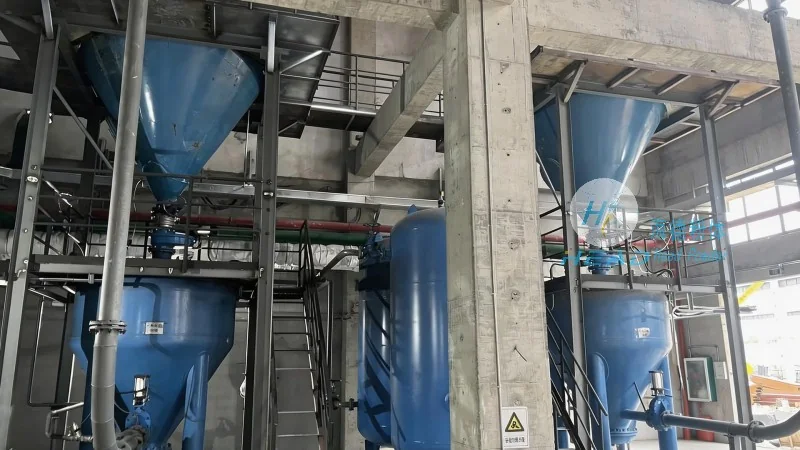
Caustic soda pneumatic conveying systems offer several distinct features that make them suitable for handling this corrosive and hazardous material. Firstly, the closed system design ensures that the caustic soda is contained within the pipeline, reducing the risk of dust exposure and chemical splashes. This not only enhances workplace safety but also minimizes environmental impact by preventing spills and emissions. Secondly, the system provides high transport efficiency, with the ability to move large quantities of caustic soda over long distances with minimal energy consumption. The use of compressed air allows for precise control over the flow rate and pressure, ensuring consistent and reliable operation. Additionally, the system is highly adaptable, with options for different conveying modes such as dilute phase and dense phase, depending on the specific requirements of the application. The dilute phase mode is suitable for short distances and low material loads, while the dense phase mode is ideal for longer distances and higher material concentrations, providing better control and reduced material degradation.
Advantages of Using Caustic Soda Pneumatic Conveying Systems
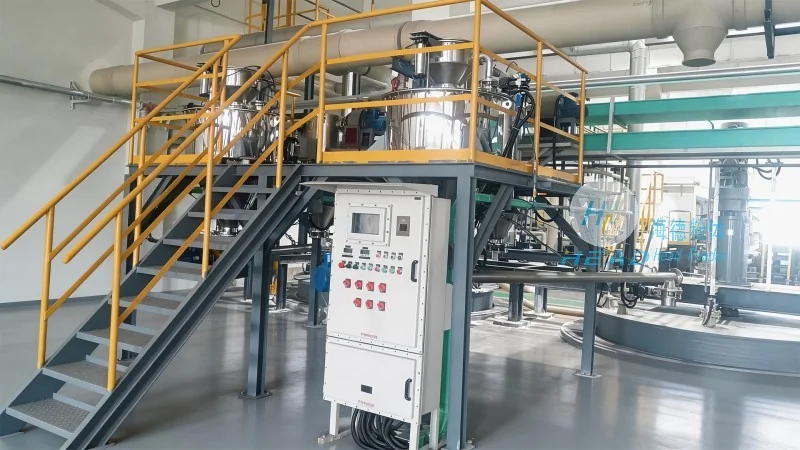
Implementing a caustic soda pneumatic conveying system offers numerous advantages for industrial operations. One of the primary benefits is improved safety, as the closed system eliminates the need for manual handling of caustic soda, reducing the risk of accidents and exposure to harmful fumes. This is particularly important in environments where caustic soda is used in large quantities, as it can cause severe burns and respiratory issues if not handled properly. Another advantage is the reduction in maintenance costs, as the system requires less frequent cleaning and inspection compared to traditional bulk handling methods. The use of high-quality materials, such as stainless steel and corrosion-resistant coatings, ensures the longevity of the equipment and minimizes the risk of material degradation or system failure. Furthermore, the system enhances operational efficiency by enabling continuous and automated material transport, which can lead to increased production throughput and reduced downtime. The ability to integrate the system with existing production lines also simplifies the implementation process and ensures seamless operation.
Applications and Considerations for Caustic Soda Pneumatic Conveying
Caustic soda pneumatic conveying systems are widely used in various industries, including chemical manufacturing, paper production, and water treatment. In chemical manufacturing, the system is used to transport caustic soda from storage tanks to reactors and processing units, ensuring a steady supply of the raw material. In the paper industry, caustic soda is used for pulp processing and bleaching, and the pneumatic conveying system facilitates the efficient transfer of the material from storage to the paper machines. In water treatment, caustic soda is used for pH adjustment and chemical precipitation, and the system ensures safe and reliable delivery to the treatment facilities. When selecting a caustic soda pneumatic conveying system, several factors need to be considered, including the material's properties, such as particle size, moisture content, and corrosiveness, as well as the distance and volume of material to be transported. The system's design should be tailored to these specific requirements to ensure optimal performance and safety. Additionally, regular maintenance and inspection are crucial to maintain the system's efficiency and longevity, as any issues with the components, such as the airlock valve or conveying line, can lead to system failures and material loss.
Conclusion
Caustic soda pneumatic conveying systems are an essential component in modern industrial operations, providing a safe, efficient, and reliable method for transporting caustic soda. The working principle, which relies on compressed air to move the material through a closed pipeline, ensures minimal exposure risks and environmental contamination. The key features, including the closed system design, high transport efficiency, and adaptability, make these systems suitable for a wide range of applications. The advantages, such as improved safety, reduced maintenance costs, and enhanced operational efficiency, justify the investment in such systems. As industrial processes continue to evolve, the importance of effective material handling systems, like caustic soda pneumatic conveying, will only increase. By understanding the working principle and features of these systems, industries can make informed decisions to optimize their operations and ensure long-term success.