

Working Principle and Features of Coal and Sand Pneumatic Conveying Systems
For industrial applications involving the transport of bulk materials like coal and sand, pneumatic conveying systems offer efficient and reliable solutions. This article explores the working principle and key features of such systems, highlighting their importance in material handling processes.
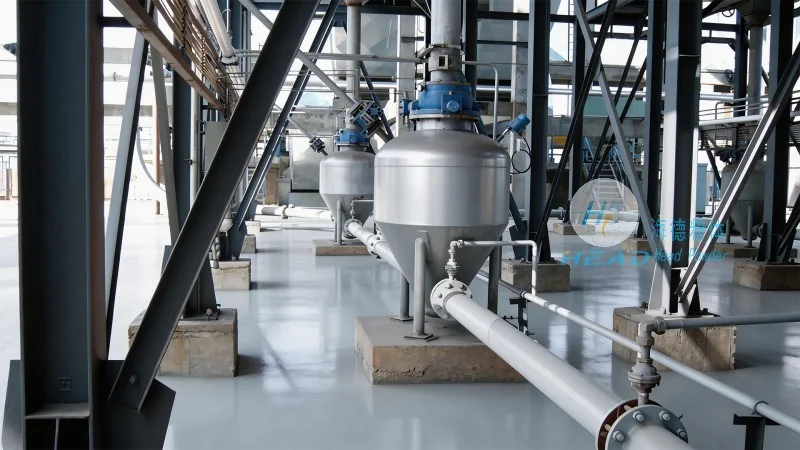
Introduction to Pneumatic Conveying Systems
Pneumatic conveying systems utilize air or gas to transport solid materials through a pipeline. This method is widely used in industries such as mining, construction, and manufacturing due to its ability to handle abrasive and heavy materials with minimal wear and tear on equipment. The system typically consists of a blower, a hopper for material storage, a pipeline network, and a discharge point where the material is released.
Working Principle of Coal and Sand Pneumatic Conveying Lines
The operation of a coal and sand pneumatic conveying line begins with the material being fed into a hopper. From there, the material is drawn into the pipeline by a high-pressure blower. The air flow creates a vacuum or pressure differential that propels the material through the system. The design of the pipeline, including bends and elbows, is crucial to ensure smooth material flow without clogging or degradation. The system may also include filters and cyclones to separate the material from the air at the discharge end, allowing for clean material collection.
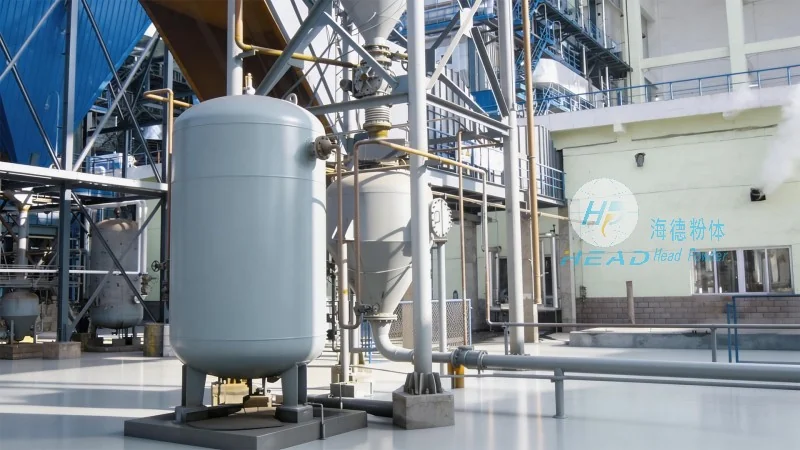
Key Features of Pneumatic Conveying Systems for Coal and Sand
Several distinct features make pneumatic conveying systems suitable for transporting coal and sand. Firstly, the system is capable of handling abrasive materials like sand, which can cause significant wear on traditional mechanical conveyors. The enclosed pipeline design minimizes dust exposure and environmental contamination, which is critical in industrial settings. Additionally, the flexibility of the system allows for multiple discharge points and complex route configurations, enabling efficient material distribution across a facility. Another important feature is the ability to control the flow rate and pressure, ensuring precise material delivery to processing equipment. The system also offers low maintenance requirements compared to other bulk material handling methods, reducing operational costs over time.
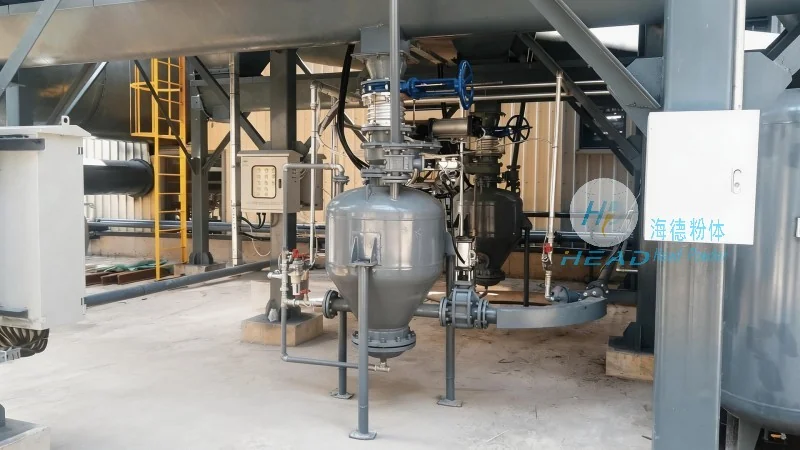
Applications and Benefits in Industrial Settings
In industrial applications, the use of pneumatic conveying systems for coal and sand offers numerous benefits. These systems are particularly effective in environments where dust control is essential, such as in power plants or construction sites. The ability to transport materials over long distances without the need for multiple transfer points simplifies the overall material handling process. Furthermore, the system's ability to handle varying material compositions, including mixtures of coal and sand, makes it versatile for different production needs. The reduced need for manual labor in material transport also enhances workplace safety and operational efficiency.
Conclusion
Coal and sand pneumatic conveying systems represent a sophisticated solution for bulk material transport, combining efficiency, reliability, and environmental responsibility. By understanding the working principle and key features of these systems, industries can make informed decisions about implementing effective material handling solutions. The expertise of companies like Shandong HeadPowder Engineering Co., Ltd. in designing and manufacturing such systems ensures that clients receive tailored solutions that meet their specific operational requirements.