Automatic powder feeding and conveying lines are sophisticated industrial systems designed to handle the precise and efficient handling of bulk powders. These systems are integral to various industries, including pharmaceuticals, food processing, chemical manufacturing, and more, where consistent and controlled material flow is critical for product quality and process efficiency. The core function of such lines is to automate the entire process of weighing, mixing, and transporting powders from raw material storage to the final production stage.
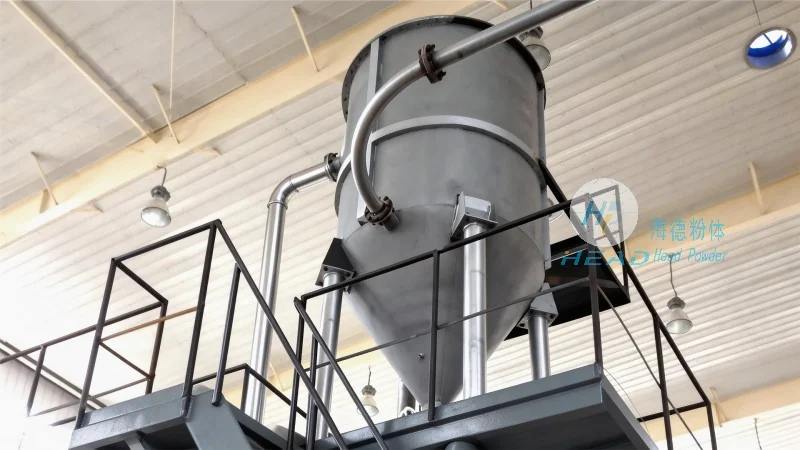
The working principle of an automatic powder feeding and conveying line typically involves several interconnected components and steps. The process begins with the storage of raw powders in silos or hoppers. From there, the system uses sensors and control mechanisms to measure and dispense the required quantities of each powder ingredient. This precise weighing and dosing is often achieved through gravimetric or volumetric feeders, which ensure accurate ingredient ratios for the final product.
Once the powders are accurately measured, they are transferred to a mixing unit. The mixing process can vary depending on the application, ranging from simple blending to complex multi-stage mixing to achieve uniform consistency. After mixing, the material is then conveyed to the next stage of production, such as a packaging or processing unit. The conveying section of the line may utilize various methods, including pneumatic conveying (air-assisted), mechanical conveying (e.g., screw conveyors, belt conveyors), or a combination of both, depending on the powder characteristics and the required throughput.
Automatic powder feeding and conveying lines offer several distinct advantages that enhance operational performance and product quality. One of the primary features is the high level of automation, which reduces human intervention and minimizes the risk of errors associated with manual handling. This automation also enables consistent and repeatable results, ensuring that each batch of product meets the required specifications.
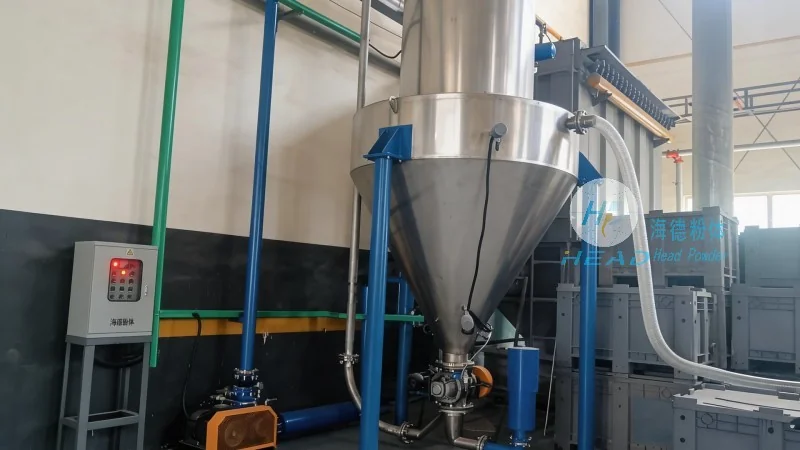
Another significant feature is the precision in weighing and dosing. Gravimetric feeders, for example, use load cells to measure the weight of the material in real-time, allowing for adjustments to maintain exact ingredient ratios. This precision is crucial in industries like pharmaceuticals, where even minor variations can impact the efficacy and safety of the final product.
Efficiency is another key characteristic. These systems are designed to handle high volumes of material with minimal downtime, improving overall production throughput. The integration of different components, such as feeders, mixers, and conveyors, into a single line streamlines the process, reducing the need for manual transfers and associated labor costs.
Furthermore, the safety features incorporated into modern powder handling systems are a notable advantage. These systems often include dust collection and explosion-proof designs to mitigate the risks associated with handling fine powders, which can be hazardous if not managed properly. The use of enclosed systems and automated controls helps maintain a safe working environment for operators.
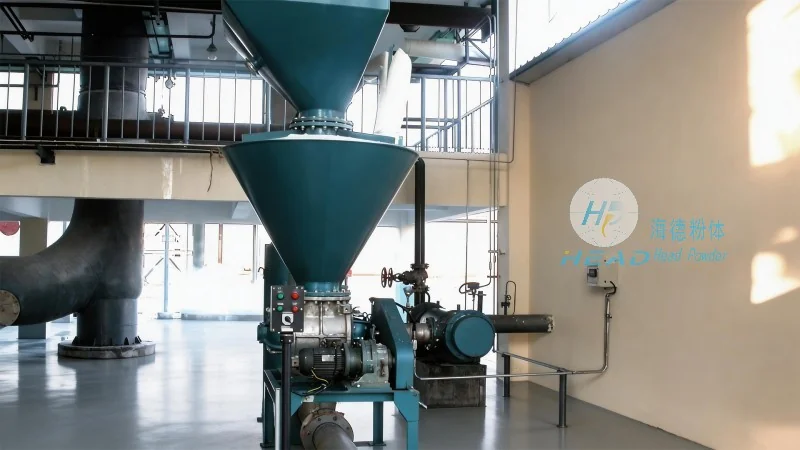
Automatic powder feeding and conveying lines are versatile and find applications across a wide range of industries. In the pharmaceutical industry, they are used for the precise handling of active pharmaceutical ingredients (APIs) and excipients, ensuring that each dosage form is consistent and meets regulatory standards. In the food industry, these systems are employed for processing ingredients like flour, sugar, and spices, maintaining hygiene and quality control throughout the production process.
In the chemical manufacturing sector, they handle various chemical powders, from raw materials to intermediates, facilitating efficient production and reducing waste. The automotive and construction industries also benefit from these systems, which handle materials like pigments, fillers, and additives in the production of coatings, adhesives, and other products.
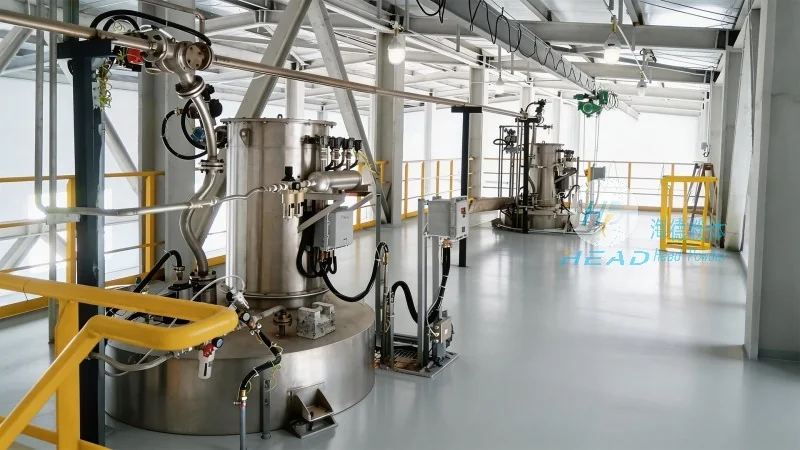
One of the strengths of automatic powder feeding and conveying lines is their ability to be customized to meet specific operational requirements. Manufacturers like Shandong HeadPowder Engineering Co., Ltd. offer tailored solutions that can be scaled to accommodate varying production volumes and material types. Whether a small-scale operation or a large industrial plant, these systems can be designed to fit the space and budget constraints while maintaining performance standards.
Customization options may include different types of feeders, mixing equipment, and conveying methods, as well as integration with existing production lines. This flexibility allows businesses to adapt their systems as their production needs evolve, ensuring long-term efficiency and cost-effectiveness.
Automatic powder feeding and conveying lines represent a critical advancement in industrial material handling, combining precision, efficiency, and safety to meet the demands of modern manufacturing. By automating the entire process from weighing to conveying, these systems enhance product quality, reduce operational costs, and improve overall process reliability. Companies like Shandong HeadPowder Engineering Co., Ltd. specialize in designing and manufacturing such systems, providing customized solutions that cater to the unique needs of various industries. As industries continue to prioritize precision and efficiency, the role of these automated powder handling systems will only become more integral to production processes worldwide.

 Shandong Headpowder Engineering Co., Ltd.
 156-6277-7102(Manager Zhang)
  0531-83386006
  Jinan City, Shandong Province, China
telephone
WeChatconsult
top