For industrial applications involving the transport of fibrous powders, understanding the operational mechanics and key attributes of fiber powder conveyors is crucial. This article provides an in-depth exploration of the working principle and distinctive features of such equipment, presented by Shandong HeadPowder Engineering Co., Ltd., a leading manufacturer based in Shandong, China.
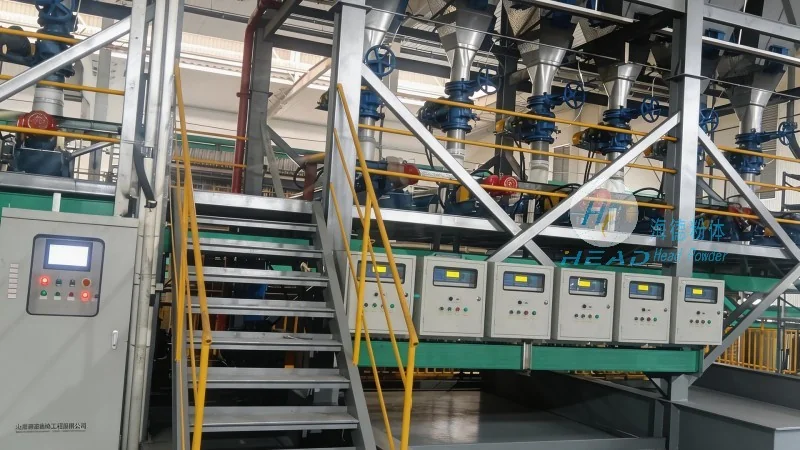
Fiber powder conveyors are engineered to efficiently handle materials with fibrous characteristics, such as cellulose, synthetic fibers, or other fibrous powders. The core working principle revolves around a combination of mechanical components designed to move these materials through a system without causing excessive degradation or clogging. Typically, these conveyors utilize a series of rotating components, like screws or augers, which are specifically designed to accommodate the fibrous nature of the material. The rotation of these components creates a pushing or pulling action that propels the powder forward through the conveyor's housing. This mechanism ensures that the fibrous particles are transported smoothly while minimizing the risk of blockages or damage to the material's structure. The design often incorporates features like variable speed controls and adjustable pitch screws, allowing operators to optimize the conveying process based on the specific properties of the fibrous powder being handled. By maintaining a consistent flow and reducing friction, the conveyor system effectively transports the material from the feed point to the discharge point, ensuring efficient material handling in industrial settings.
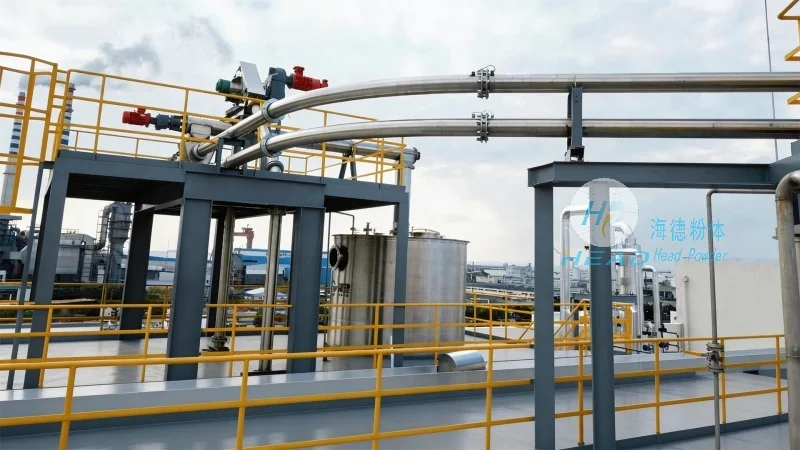
Shandong HeadPowder Engineering Co., Ltd. offers fiber powder conveyors with several notable features that enhance their performance and adaptability. One of the primary features is the robust construction, which includes corrosion-resistant materials and durable components to withstand the demands of handling fibrous powders. The conveyors are designed with smooth internal surfaces to prevent the accumulation of material and reduce the risk of clogging, which is a common issue with traditional conveying systems. Additionally, the equipment often includes integrated cleaning mechanisms, such as reverse rotation or purge ports, that allow for easy maintenance and cleaning, minimizing downtime. Another significant feature is the ability to handle a wide range of fibrous materials, from fine to coarse particles, with adjustable screw pitch and speed settings. This flexibility makes the conveyors suitable for various industrial applications, including pharmaceuticals, food processing, and chemical manufacturing. The conveyors also feature safety enhancements, such as overload protection and emergency stop buttons, ensuring operational safety in industrial environments. Furthermore, the design prioritizes energy efficiency, with optimized motor and screw configurations that reduce power consumption while maintaining high conveying capacity. These features collectively contribute to the effectiveness and reliability of fiber powder conveyors, making them a preferred choice for industries requiring precise and efficient material transport.
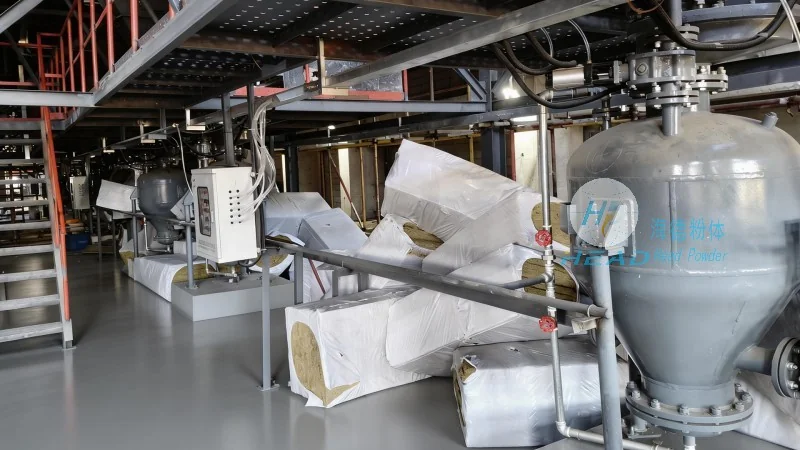
The application of fiber powder conveyors in various industries highlights their operational advantages. In the pharmaceutical industry, for example, these conveyors are used to transport raw materials like cellulose or other fibrous excipients with precision, ensuring consistent quality and reducing contamination risks. The gentle handling of the material preserves its integrity, which is critical for maintaining product efficacy. In food processing, the conveyors efficiently move ingredients like fiber-rich powders or synthetic fibers, supporting production lines that require high throughput and minimal material degradation. The ability to handle fibrous materials without causing clumping or breakage enhances the overall quality of the end product. In chemical manufacturing, the conveyors are utilized to transport various chemical powders, including those with fibrous components, ensuring safe and efficient material handling. The operational advantages also include reduced labor costs, as the automated system minimizes manual handling and the need for frequent maintenance interventions. The consistent performance of the conveyors leads to improved production efficiency and reduced waste, as the material is transported with minimal loss or degradation. Overall, the fiber powder conveyors from Shandong HeadPowder Engineering Co., Ltd. offer significant benefits in terms of operational efficiency, material integrity, and safety, making them a valuable asset in industrial applications.
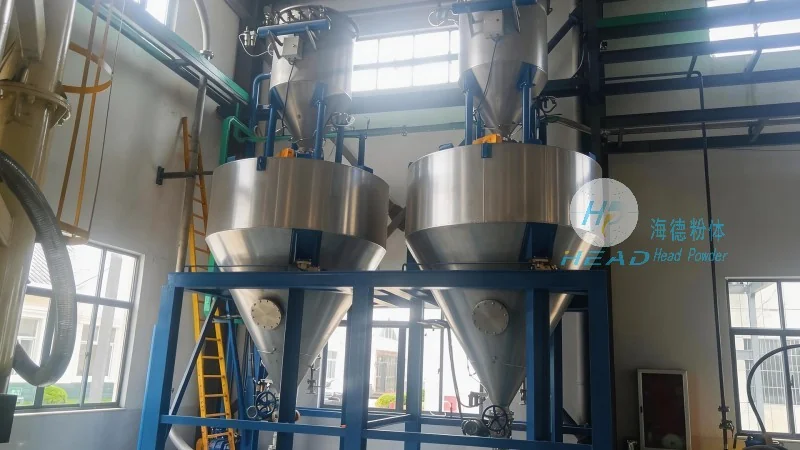
In summary, fiber powder conveyors operate on a principle of mechanical propulsion through rotating components, designed to handle fibrous materials efficiently and with minimal damage. The key features, including robust construction, anti-clogging design, adjustable speed and pitch, and safety enhancements, make these conveyors highly adaptable and reliable for various industrial applications. The operational advantages, such as improved material integrity, reduced downtime, and energy efficiency, contribute to their widespread use in sectors like pharmaceuticals, food processing, and chemical manufacturing. As a leading manufacturer based in Shandong, China, Shandong HeadPowder Engineering Co., Ltd. continues to innovate in fiber powder handling technology, providing solutions that meet the evolving needs of industrial operations.

 Shandong Headpowder Engineering Co., Ltd.
 156-6277-7102(Manager Zhang)
  0531-83386006
  Jinan City, Shandong Province, China
telephone
WeChatconsult
top