

Working Principle and Characteristics of High-Pressure Dilute-Phase Material Conveying Lines
HeadPowder, or Shandong HeadPowder Engineering Co., Ltd., is a leading provider of high-pressure dilute-phase material conveying solutions. Based in Shandong, China, the company specializes in designing and manufacturing systems that efficiently transport bulk materials over long distances with minimal pressure loss and high reliability. The company's expertise lies in optimizing material flow, ensuring energy efficiency, and providing durable equipment that meets the demands of various industrial applications.
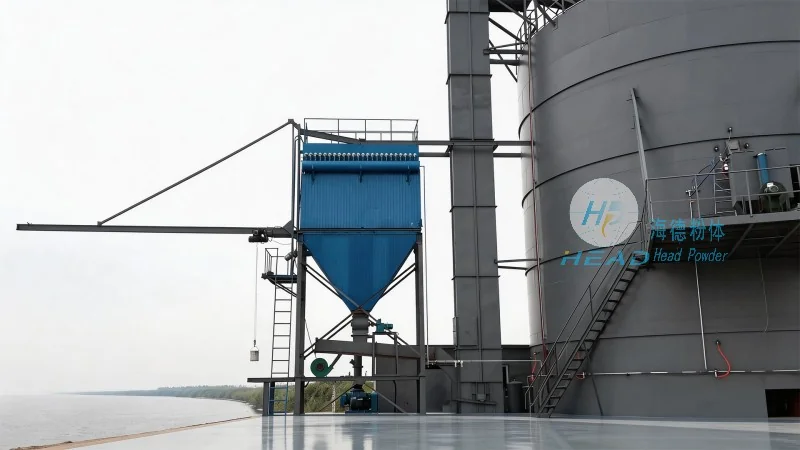
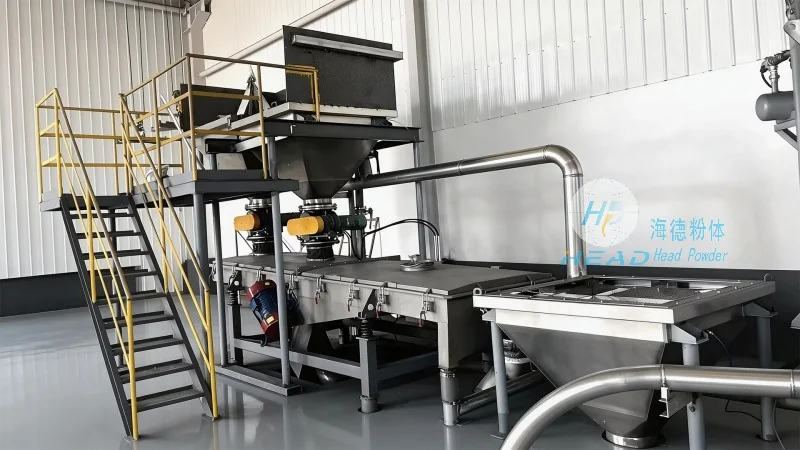
Working Principle of High-Pressure Dilute-Phase Material Conveying Systems
High-pressure dilute-phase material conveying systems operate by creating a high-pressure air stream that propels a dilute mixture of material particles suspended in the air. The process begins with the material being fed into a hopper or feeder, where it is then introduced into a pipeline. Compressed air, typically at pressures ranging from 5 to 15 bar, is injected into the pipeline, creating a turbulent flow that suspends the material particles. This suspension allows the material to be transported at high velocities, often exceeding 20 meters per second, while maintaining a low concentration of particles in the air stream. The system uses a combination of positive displacement blowers or high-pressure compressors to generate the necessary pressure, ensuring consistent material transport. The key to the system's efficiency is the balance between air pressure, material feed rate, and pipeline diameter, which must be carefully calibrated to achieve optimal performance.
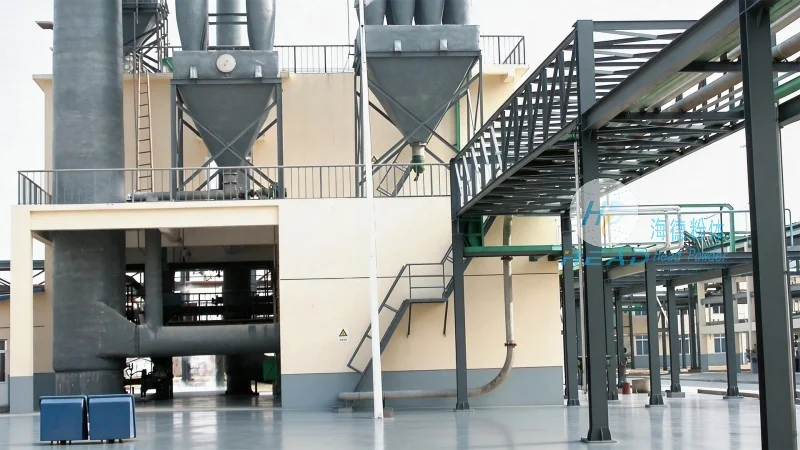
Key Characteristics of High-Pressure Dilute-Phase Material Conveying Lines
High-pressure dilute-phase material conveying lines exhibit several distinct characteristics that make them suitable for a wide range of industrial applications. One of the primary advantages is their ability to transport materials over long distances, often exceeding 1000 meters, with minimal pressure drop. This is achieved through the use of high-pressure air, which maintains the material's suspension throughout the pipeline. Another key characteristic is the low material concentration in the air stream, typically ranging from 1 to 5% by volume, which reduces the risk of clogging and ensures smooth flow. The systems are also designed for high efficiency, with energy consumption optimized through the use of efficient compressors and blowers. Additionally, the equipment is constructed from durable materials, such as stainless steel or high-grade alloys, to withstand the high pressures and abrasive nature of the transported materials. The modular design of these systems allows for easy installation and maintenance, reducing downtime and operational costs. Furthermore, the systems are equipped with advanced control systems that monitor pressure, flow, and material level, providing real-time data for process optimization.
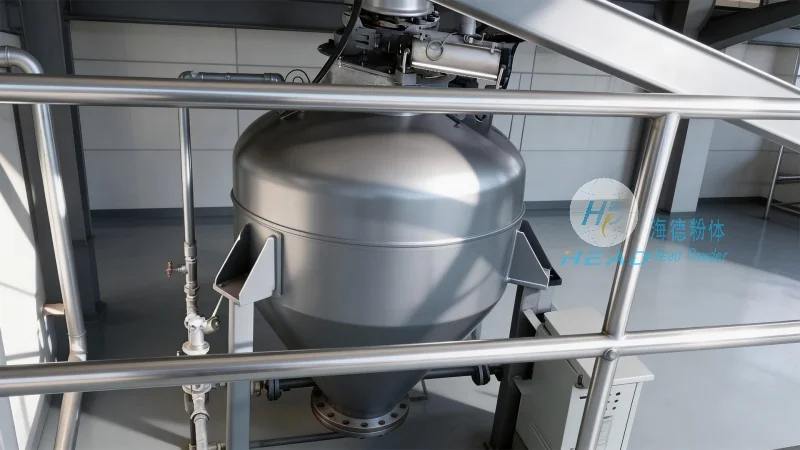
Advantages and Benefits of Using High-Pressure Dilute-Phase Conveying Systems
Implementing high-pressure dilute-phase material conveying systems offers numerous advantages for industrial operations. The primary benefit is the significant reduction in material handling costs, as the systems eliminate the need for traditional methods such as trucks or conveyor belts. This leads to lower transportation expenses and increased operational efficiency. Additionally, the systems provide a more hygienic and clean environment, as the material is transported in a closed pipeline, preventing dust and contamination. The high velocity of the material flow also reduces the risk of material degradation, ensuring that the product remains in optimal condition. For industries dealing with abrasive or corrosive materials, the durable construction of the equipment ensures long-term reliability and minimal maintenance. The systems also offer flexibility in terms of material types, as they can handle a wide range of bulk materials, including powders, granules, and fine particles. This versatility makes them suitable for applications in mining, chemical processing, food processing, and other sectors. Furthermore, the energy efficiency of these systems contributes to lower operational costs and reduced environmental impact, aligning with sustainability goals. The advanced control systems allow for precise regulation of the conveying process, enabling operators to adjust parameters in real-time to meet production demands. Overall, high-pressure dilute-phase material conveying systems provide a reliable, efficient, and cost-effective solution for bulk material transport.