

Working Principle and Features of Soybean Meal Material Conveying Lines
For industrial applications involving soybean meal handling, the efficiency and reliability of material conveying systems are critical. This article provides an in-depth look at the working principle and key features of soybean meal material conveying lines, highlighting how these systems enhance operational performance in processing facilities.
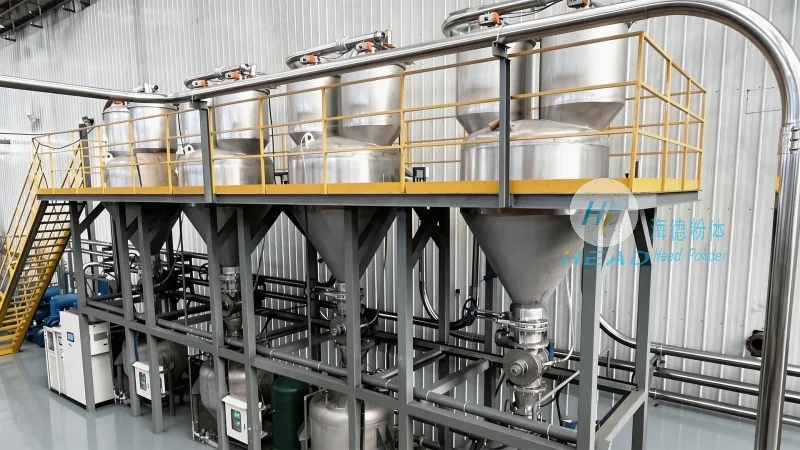
Overview of Soybean Meal Material Conveying Lines
Soybean meal is a crucial byproduct in the food and animal feed industries, requiring specialized handling to maintain quality and prevent contamination. Conveying lines designed for soybean meal are engineered to handle the material's properties, such as its fine particle size and potential for dust generation. These systems integrate various components, including feeders, conveyors, and control mechanisms, to ensure smooth and safe material transport from storage to processing or packaging areas.
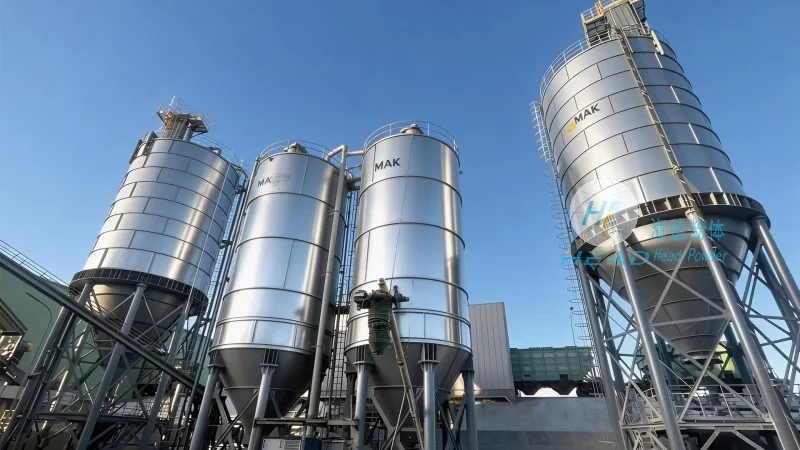
The Working Principle of Soybean Meal Material Conveying Lines
The working principle of soybean meal material conveying lines revolves around the systematic transfer of bulk material from a storage source to a processing or packaging destination. The process typically begins with a storage silo or hopper, where soybean meal is stored under controlled conditions to maintain its quality. From the storage vessel, the material is discharged into a feeder, which acts as the first stage of material control. The feeder may be a rotary valve, a vibratory feeder, or a screw feeder, each designed to regulate the flow rate based on the system's requirements. For soybean meal, which has a fine particle size and can be prone to bridging or caking in the silo, a vibratory feeder is often preferred as it can effectively break up agglomerates and ensure a uniform flow. The feeder then delivers the material to a conveyor, which is the primary component responsible for transporting the material over horizontal or inclined distances. Belt conveyors are widely used for horizontal transport due to their ability to handle large volumes of material with minimal maintenance. They consist of a continuous belt looped over pulleys, with the material placed on the belt and moved by the rotation of the drive pulley. Screw conveyors, on the other hand, are ideal for vertical or steep incline transport, as they use a rotating screw to push material upward or along a horizontal path. Pneumatic conveyors utilize compressed air to create a flow of material through a series of pipes, with the material suspended in the air stream. This method is particularly useful for applications requiring flexible layout, such as moving material between different processing areas or to multiple destinations.
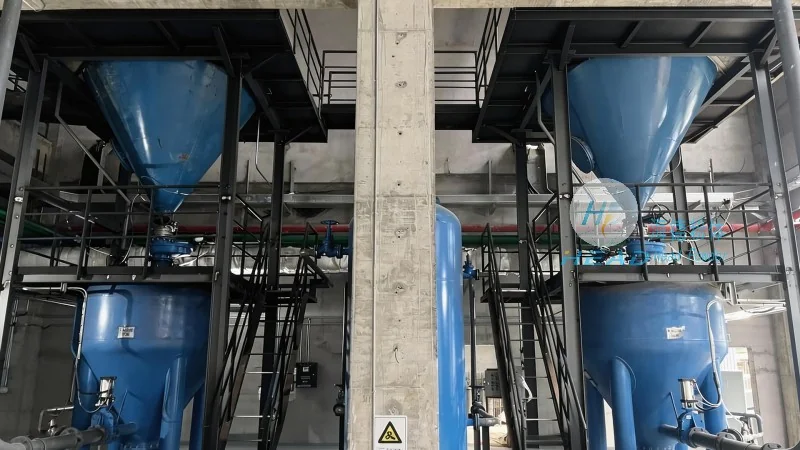
Key Features of Soybean Meal Material Conveying Lines
Key features of soybean meal material conveying lines are designed to address the unique challenges of handling this material, including its fine particle size, potential for dust generation, and susceptibility to moisture. One of the most critical features is the incorporation of dust control measures, which are essential for maintaining a safe working environment and preventing material loss. Dust collection systems typically include hoods or enclosures around the feeder and conveyor discharge points, connected to a filter system that captures and removes airborne particles. The filtered air is then discharged back into the facility or treated to meet environmental regulations. Another important feature is the use of materials that resist corrosion and wear, as soybean meal can contain acidic compounds or high moisture content that may degrade metal components over time. Stainless steel, particularly 304 or 316 grades, is commonly used for conveyor components, such as the belt or screw, as it offers excellent resistance to corrosion and is easy to clean. Additionally, the conveyor system may include protective coatings or linings on metal surfaces to further enhance durability. Advanced control systems are also a key feature, enabling operators to monitor and adjust the conveying process in real-time. These systems may include sensors that detect material levels, blockages, or overflows, and control devices such as variable frequency drives (VFDs) that adjust the speed of the conveyor based on the material flow rate. This automation not only improves efficiency but also reduces the risk of human error and equipment damage.
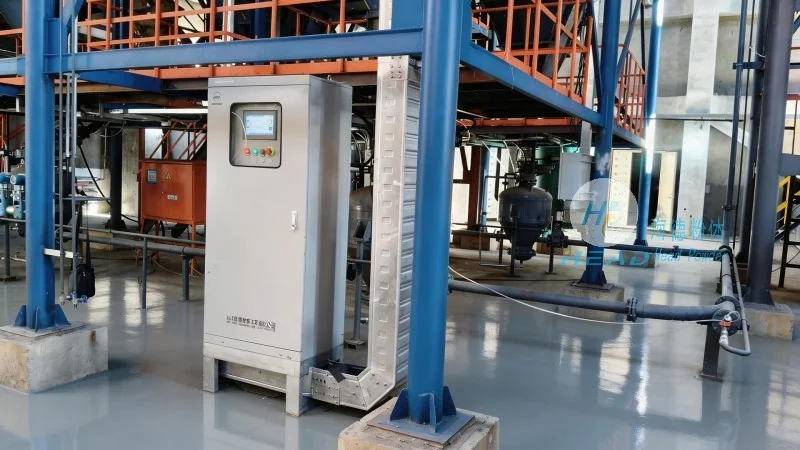
Company Information: Shandong HeadPowder Engineering Co., Ltd.
Shandong HeadPowder Engineering Co., Ltd. is a reputable company specializing in the design, manufacturing, and installation of material handling equipment, with a particular focus on conveying systems for soybean meal and other bulk materials. HeadPowder has extensive experience in the food and animal feed industries, understanding the specific requirements for handling soybean meal, such as maintaining product quality, preventing contamination, and ensuring compliance with health and safety regulations. The company's engineering team works closely with clients to develop customized conveying solutions that meet their unique operational needs, whether for small-scale processing facilities or large industrial plants. HeadPowder's manufacturing facilities are equipped with advanced technology and quality control processes to ensure that each conveying line is built to the highest standards. The company emphasizes durability and reliability, using components that are designed to withstand the rigors of continuous operation. Additionally, HeadPowder provides comprehensive after-sales support, including installation, training, and maintenance services, to ensure that clients can maximize the performance of their conveying systems. With a commitment to customer satisfaction and technical excellence, Shandong HeadPowder Engineering Co., Ltd. has established itself as a trusted partner for businesses seeking efficient and reliable material handling solutions.