

Working Principle and Characteristics of Air-Driven Pneumatic Conveying for Chlorinated Polyethylene
Chlorinated polyethylene (CPE) is a widely used polymer material, often processed in powder form for various industrial applications. Efficient and reliable material handling is crucial for maintaining production efficiency and product quality. Air-driven pneumatic conveying systems have emerged as a preferred method for transporting CPE powders due to their flexibility, low maintenance requirements, and ability to handle fine powders without clogging. This article explores the working principle and key characteristics of such systems, with a focus on how they apply to the specific needs of CPE powder handling.
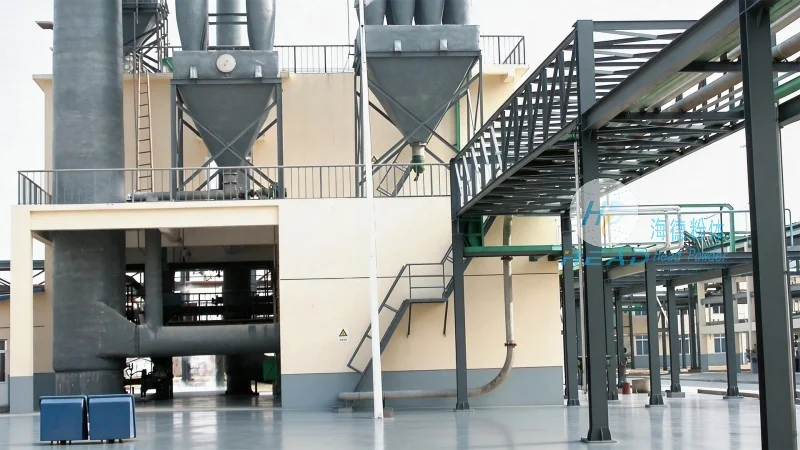
Overview of Air-Driven Pneumatic Conveying Systems
At the core of air-driven pneumatic conveying is the use of compressed air to transport solid particles through a pipeline. The system typically consists of a material feed hopper, a conveyor line (often with multiple sections), and a receiving hopper or silo. The process begins when the CPE powder is introduced into the feed hopper, where it is drawn into the conveyor line by the moving air stream. The air, under pressure, creates a flow that lifts and transports the powder particles through the system. This method is particularly effective for CPE powders because they are fine and can be prone to static electricity, which traditional mechanical conveyors might struggle with.
Working Principle of CPE Powder Pneumatic Conveying
The working principle of air-driven pneumatic conveying for CPE powder involves several key steps. First, the CPE powder is stored in a hopper equipped with a feeder that controls the flow rate. The feeder may be a rotary valve or a screw feeder, which ensures a consistent and controlled feed of powder into the system. Once the powder enters the conveyor line, it is entrained by the high-velocity air stream. The air velocity is typically maintained above the minimum fluidization velocity of the CPE powder to prevent particle settling or blockages. The conveyor line may include sections with different diameters or bends, which are designed to minimize pressure drop and maintain consistent flow. The receiving hopper collects the conveyed powder, where it is discharged for further processing or storage. The entire process is driven by a compressed air source, which can be a rotary screw compressor or a reciprocating compressor, depending on the system requirements.
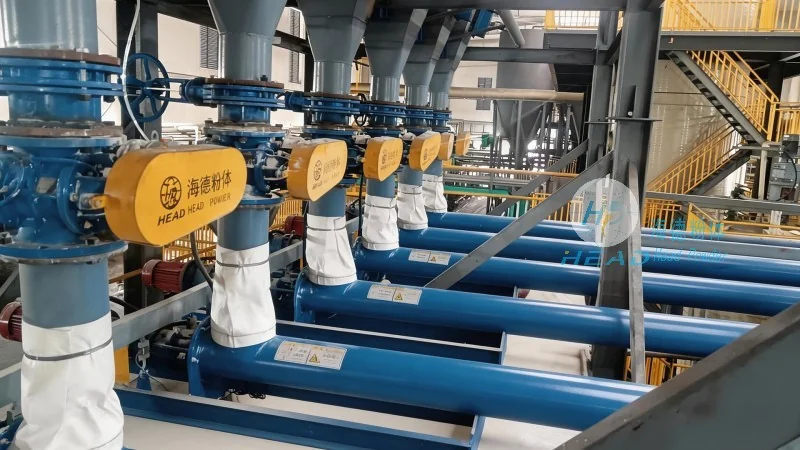
Key Characteristics of CPE Powder Pneumatic Conveying Systems
Several characteristics define the performance and suitability of air-driven pneumatic conveying systems for CPE powders. First, the system offers excellent flexibility in terms of layout and installation. Unlike traditional mechanical conveyors, which require rigid pipelines and fixed routes, pneumatic systems can be configured to follow complex paths, including vertical and horizontal segments, as well as multiple branch lines. This flexibility is advantageous for industrial plants with limited space or complex material flow requirements. Second, the system provides a high degree of dust control. Since the powder is contained within the pipeline by the air stream, there is minimal exposure to the environment, reducing dust emissions and improving workplace safety. This is particularly important for CPE powders, which can generate fine particles that are hazardous if inhaled. Third, the system is relatively low in maintenance compared to mechanical conveyors. There are no moving parts in contact with the powder (except for the feeder), which reduces wear and tear and the need for frequent repairs. However, the compressed air system requires regular maintenance to ensure consistent performance and prevent air leaks.
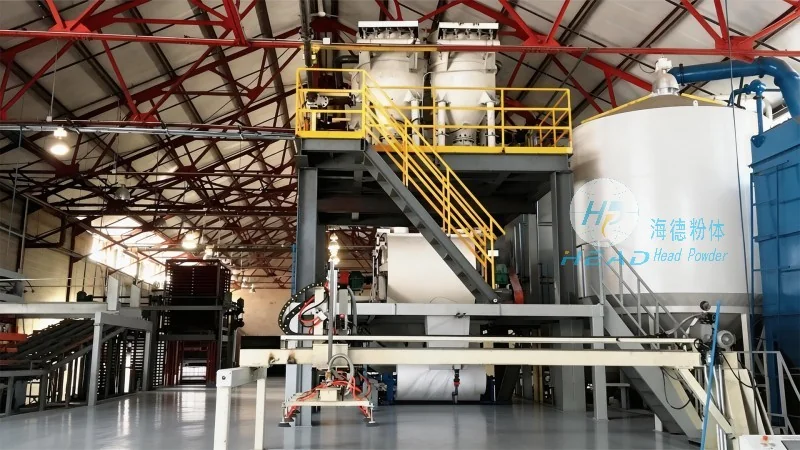
Advantages of Using Air-Driven Pneumatic Conveying for CPE Powder Handling
Implementing air-driven pneumatic conveying for CPE powder handling offers several advantages that enhance operational efficiency and product quality. One of the primary benefits is the ability to handle fine powders without clogging. CPE powders are often very fine, with particle sizes ranging from 10 to 200 microns, and traditional mechanical conveyors may experience blockages due to particle agglomeration. Pneumatic systems, by using high-velocity air, prevent agglomeration and ensure smooth flow. Another advantage is the reduced risk of product contamination. Since the powder is contained within the pipeline, there is no direct contact with external surfaces or equipment, minimizing the risk of cross-contamination from other materials or contaminants. This is critical for CPE powders, which are used in applications such as plastic additives, adhesives, and coatings, where purity is essential. Additionally, the system allows for easy integration with other processing equipment. The receiving hopper can be directly connected to a mixer, extruder, or storage silo, streamlining the production process and reducing material handling time.
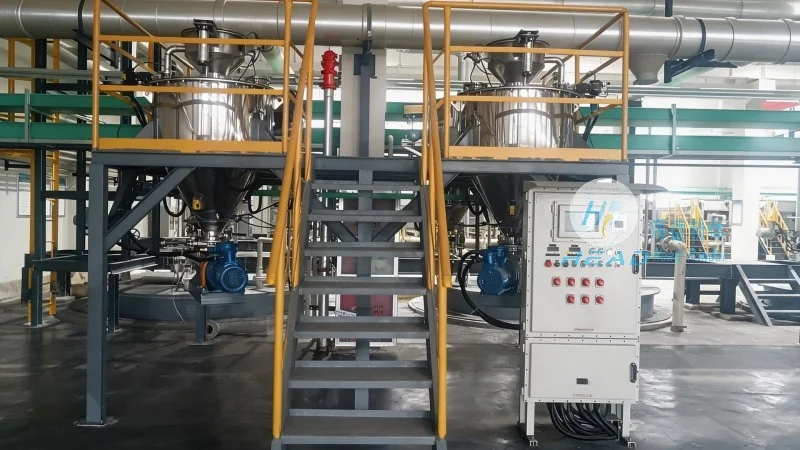
Considerations for Designing CPE Powder Pneumatic Conveying Systems
When designing an air-driven pneumatic conveying system for CPE powders, several factors must be considered to ensure optimal performance. First, the air velocity must be carefully selected to match the particle size and density of the CPE powder. The minimum fluidization velocity is a critical parameter, as it determines the minimum air velocity required to keep the powder particles suspended. If the air velocity is too low, the powder will settle and cause blockages; if it is too high, excessive energy consumption and wear on the system components may occur. Second, the system pressure must be optimized to balance efficiency and equipment durability. Higher pressures can increase conveying capacity but may also increase the risk of pipeline wear and maintenance costs. Third, the material of construction is important, especially for CPE powders that may be corrosive or abrasive. Stainless steel or corrosion-resistant materials are often used for the pipeline and components to ensure long-term reliability. Fourth, the system should include features for dust control and safety, such as explosion-proof designs and dust collection systems, to comply with industrial safety regulations.
Conclusion
Air-driven pneumatic conveying systems provide an effective and efficient solution for handling chlorinated polyethylene (CPE) powders. By understanding the working principle and key characteristics of these systems, manufacturers can optimize their material handling processes, improve product quality, and enhance operational safety. The flexibility, low maintenance, and dust control capabilities of pneumatic conveying make it a preferred choice for CPE powder applications. As the demand for CPE in various industries continues to grow, the adoption of advanced pneumatic conveying systems will play a crucial role in meeting production needs while maintaining high standards of efficiency and safety. Shandong HeadPowder Engineering Co., Ltd., a leading provider of material handling solutions, specializes in designing and manufacturing customized pneumatic conveying systems tailored to the specific requirements of CPE powder handling, ensuring reliable and efficient material transport for industrial applications.