

Working Principle and Characteristics of Magnesium Sulfate Material Pneumatic Conveying
When it comes to the efficient and reliable transportation of magnesium sulfate, pneumatic conveying systems offer a sophisticated solution that combines technology with practicality. This article delves into the working principle and key characteristics of magnesium sulfate material pneumatic conveying, providing insights into how such systems operate and why they are preferred in industrial applications.
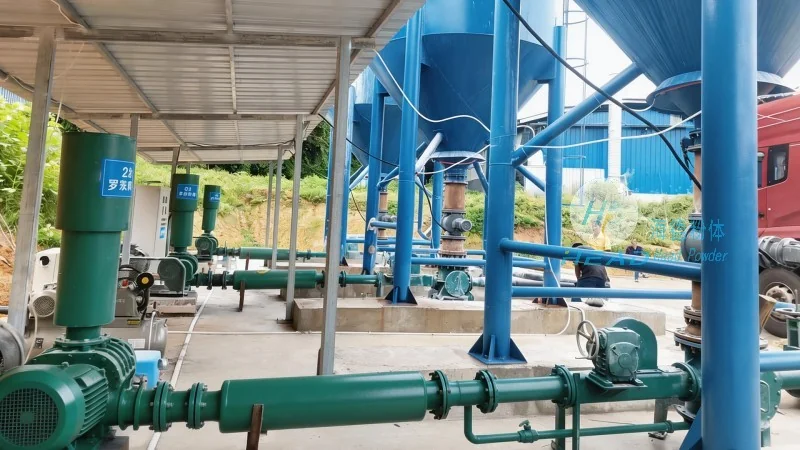
Understanding the Working Principle of Magnesium Sulfate Pneumatic Conveying
At the core of magnesium sulfate pneumatic conveying is the use of air as the conveying medium to transport the material from one location to another. The process typically involves a series of components that work in tandem to ensure smooth and efficient material transfer. The system begins with a material hopper or feeder, where the magnesium sulfate is stored and metered into the conveying line. A fan or blower then generates the necessary airflow, creating a pressure differential that propels the material particles through the pipeline. The material is carried by the air stream, often in a dilute phase, where the particles are suspended and transported to the destination point, such as a silo or processing unit. The system may also include a separator or cyclone at the end to separate the material from the air, allowing the air to be recirculated or vented, while the magnesium sulfate is collected for further use.
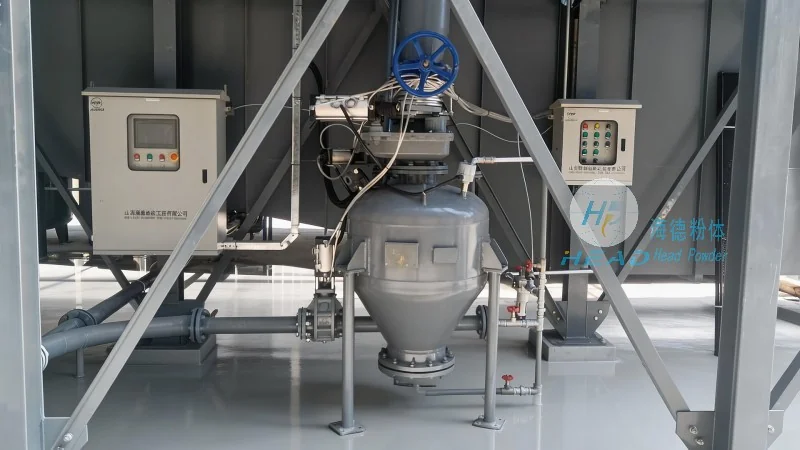
Key Characteristics of Magnesium Sulfate Pneumatic Conveying Systems
Several distinct characteristics make magnesium sulfate pneumatic conveying systems an attractive option for industrial operations. First, the system is highly flexible in terms of layout and installation, as it can be configured to follow existing plant structures or be adapted to new setups. This adaptability allows for easy integration into existing production lines without major structural modifications. Second, the conveying process is gentle on the material, minimizing particle breakage and preserving the quality of the magnesium sulfate. This is particularly important for applications where the material's physical properties, such as particle size and shape, are critical. Third, the system offers excellent control over the flow rate and pressure, enabling precise regulation of the material's movement. This control is essential for maintaining consistent production rates and preventing overloading or underloading of downstream equipment. Fourth, pneumatic conveying systems are generally compact and require less floor space compared to traditional mechanical conveying methods, such as belt conveyors or bucket elevators. This space efficiency is a significant advantage in facilities with limited available area. Finally, the system provides a hygienic and dust-free environment, which is crucial for food-grade or pharmaceutical applications where contamination must be strictly avoided. The enclosed nature of the conveying line prevents dust from escaping into the workplace, reducing health risks and maintaining compliance with safety regulations.
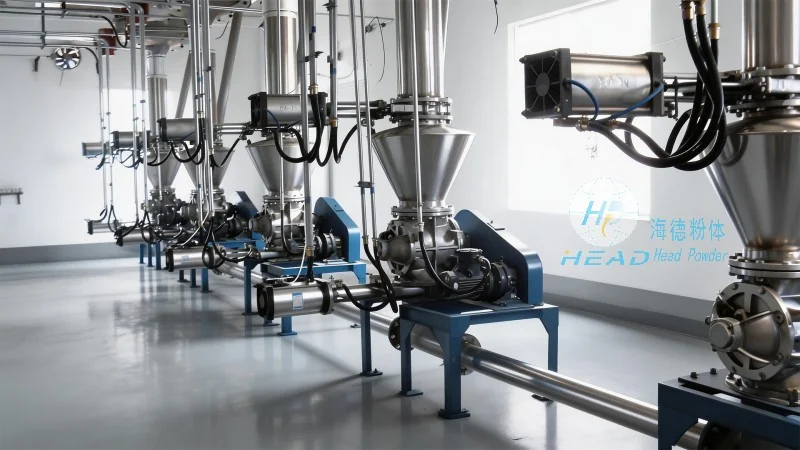
Applications and Benefits in Industrial Settings
Magnesium sulfate, also known as Epsom salt, is widely used in various industries, including food, pharmaceuticals, agriculture, and chemical manufacturing. The pneumatic conveying of this material is particularly beneficial in processes where the material needs to be transported over long distances or through complex layouts. For example, in food processing plants, magnesium sulfate is used as a coagulant in the production of tofu and other soy-based products. The pneumatic conveying system ensures that the material is delivered to the processing equipment in a controlled manner, maintaining the required quality and consistency. In pharmaceutical applications, the material is used as a raw ingredient in the production of magnesium supplements and other medications. The hygienic and dust-free nature of the pneumatic conveying system is essential to prevent contamination and ensure the safety of the final products. In agricultural applications, magnesium sulfate is used as a fertilizer to correct soil deficiencies and enhance plant growth. The system allows for efficient distribution of the fertilizer to different parts of the field, ensuring uniform application and optimal results.
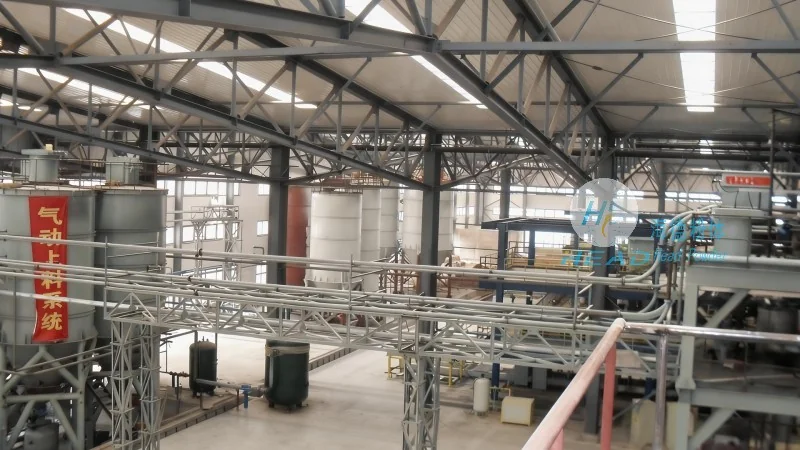
Advantages of Choosing HeadPowder for Magnesium Sulfate Pneumatic Conveying Solutions
Shandong HeadPowder Engineering Co., Ltd., a leading provider of material handling solutions, specializes in designing and manufacturing pneumatic conveying systems tailored to the specific needs of magnesium sulfate applications. With years of experience in the industry, HeadPowder has developed a deep understanding of the unique challenges associated with conveying magnesium sulfate, such as its hygroscopic nature and varying particle sizes. The company's engineers work closely with clients to assess their operational requirements and provide customized solutions that meet their specific needs. HeadPowder's systems are designed with high-quality components, including durable fans, efficient separators, and robust pipelines, ensuring long-term reliability and minimal maintenance. The company also offers comprehensive after-sales support, including installation, training, and maintenance services, to ensure that clients can maximize the performance and lifespan of their conveying systems. By choosing HeadPowder, clients can benefit from the company's expertise and commitment to quality, ensuring that their magnesium sulfate pneumatic conveying systems operate efficiently and reliably for years to come.