

Working Principle and Features of Cement Gray Material Pneumatic Conveying Systems
For industrial applications involving the transport of cement gray materials, pneumatic conveying systems offer efficient and reliable solutions. Understanding the working principle and key features of such systems is crucial for selecting the right equipment for specific operational needs. This article provides an in-depth look at the mechanisms behind these systems and highlights the advantages they bring to material handling processes.
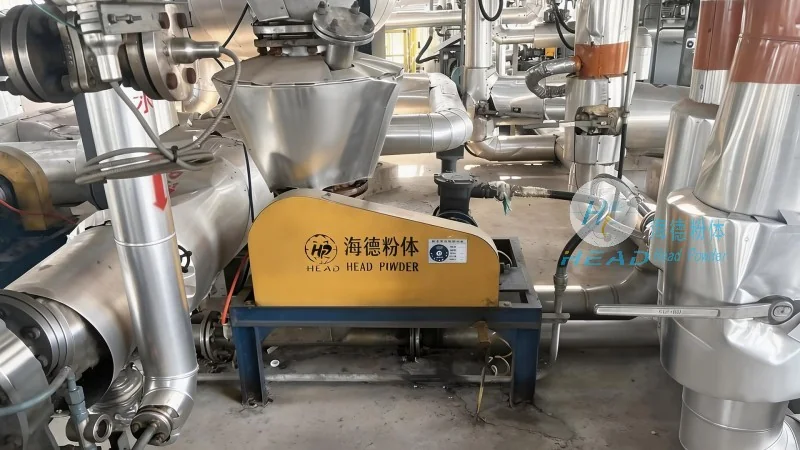
Introduction to Pneumatic Conveying Systems
Pneumatic conveying systems are designed to transport bulk materials, such as cement gray powders, through a pipeline using air or gas as the conveying medium. Unlike mechanical systems that rely on belts, buckets, or screws, pneumatic systems utilize pressure differentials to move materials from one location to another. This method is particularly suitable for handling fine, dusty, or abrasive materials that might be difficult to transport with traditional equipment.
Working Principle of Cement Gray Material Pneumatic Conveying
The operation of a cement gray material pneumatic conveying system typically involves several key components and steps. The process begins with the material being fed into a hopper or feeder, where it is then introduced into a pipeline. Air is then introduced into the system, either by a blower or a compressor, creating a flow that lifts and propels the material through the pipeline. The system uses a combination of positive pressure (pressure conveying) or negative pressure (vacuum conveying) to move the material. In pressure conveying, the air is introduced at the discharge end, pushing the material forward. In vacuum conveying, the air is drawn from the intake end, creating a suction that pulls the material into the pipeline. The choice between pressure and vacuum depends on factors such as material properties, distance, and system layout.
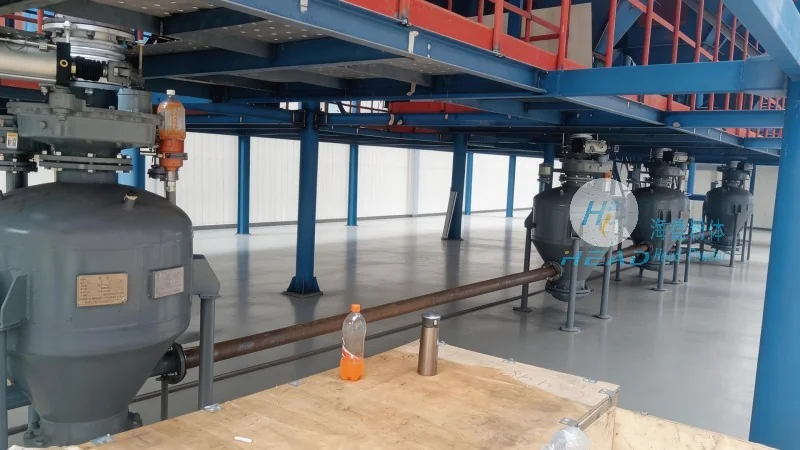
Key Features of Pneumatic Conveying Systems for Cement Gray Materials
Several distinct features make pneumatic conveying systems ideal for handling cement gray materials. First, they offer a closed system, which helps in controlling dust emissions and maintaining a clean working environment. This is particularly important in industries where dust control is a regulatory requirement. Second, these systems are highly flexible and can be easily integrated into existing production lines. They can be configured to handle various material types and flow rates, making them adaptable to different production scales. Third, pneumatic conveying systems are energy-efficient compared to some mechanical alternatives, as they use air as the primary medium, reducing the need for heavy machinery and maintenance. Additionally, they provide a continuous and uniform flow of material, which can improve process consistency and reduce downtime.
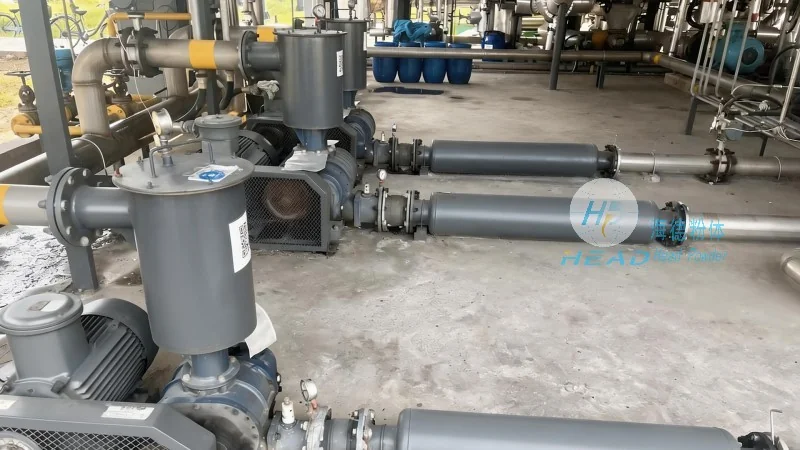
Applications and Benefits in Industrial Settings
The advantages of pneumatic conveying systems are evident in various industrial applications involving cement gray materials. For example, in cement manufacturing plants, these systems are used to transport raw materials and finished products between different stages of production. In construction material processing facilities, they help in moving cement gray powders to mixing stations or storage silos. The systems also find applications in the chemical and pharmaceutical industries, where handling fine powders requires precision and control. The benefits of using such systems include improved safety due to enclosed transport, reduced labor costs as the system can operate automatically, and enhanced product quality through consistent material handling.
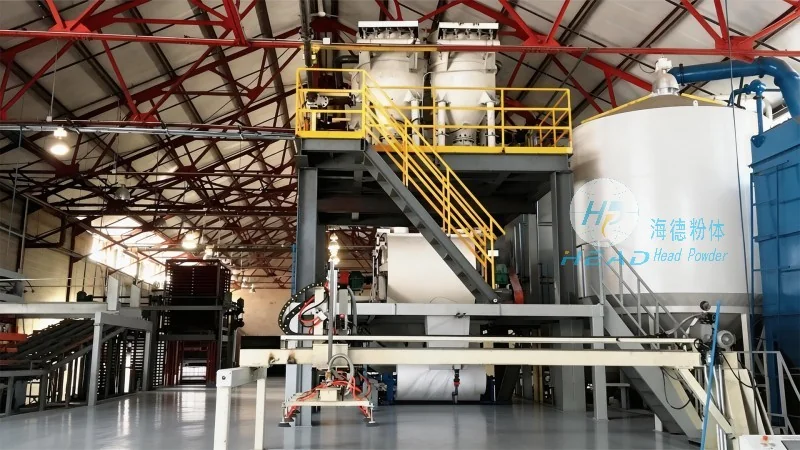
Company Overview: Shandong HeadPowder Engineering Co., Ltd.
As a leading provider of engineering solutions for material handling, Shandong HeadPowder Engineering Co., Ltd. specializes in designing and manufacturing pneumatic conveying systems tailored to the needs of various industries. With a focus on innovation and quality, the company has built a reputation for delivering reliable and efficient equipment that meets the highest standards. HeadPowder's expertise lies in understanding the unique challenges of handling cement gray materials and developing systems that address these challenges effectively. The company's commitment to customer satisfaction and technical excellence ensures that clients receive solutions that are not only functional but also cost-effective and sustainable.
Conclusion
In summary, pneumatic conveying systems for cement gray materials are sophisticated solutions that combine advanced engineering with practical application. Their working principle, which relies on air pressure to transport materials, offers numerous benefits including dust control, flexibility, and energy efficiency. By understanding these principles and features, industries can make informed decisions about implementing such systems to enhance their material handling processes. With the support of companies like Shandong HeadPowder Engineering Co., Ltd., businesses can access high-quality equipment that meets their specific requirements and contributes to overall operational efficiency.