

Principles and Working Scene Characteristics of Fully Automatic Bulk Material Pneumatic Conveying
HeadPowder, a leading engineering company based in Shandong, China, specializes in the design and implementation of advanced pneumatic conveying systems for bulk material handling. This article explores the fundamental principles behind fully automatic bulk material pneumatic conveying and highlights the key characteristics of its working scenes, providing insights into how these systems enhance operational efficiency and reliability in various industrial applications.
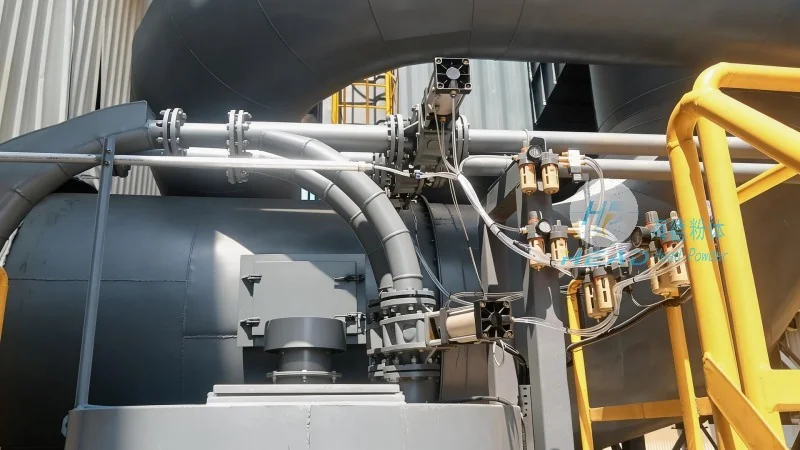
The Core Principles of Pneumatic Conveying Systems
At the heart of fully automatic bulk material pneumatic conveying lies the principle of transporting dry bulk materials through a pipeline using a pressurized or vacuum air stream. Unlike traditional mechanical conveyors, pneumatic systems offer a flexible and enclosed method for moving powders, granules, and other bulk solids. The process typically involves a hopper where the material is stored, a feeder that controls the flow rate, a conveying line where the material is propelled by air, and a receiver where the material is deposited. The system operates under controlled pressure or vacuum conditions, ensuring consistent and reliable material transport without the need for physical contact or moving parts in the conveying line.
Key Working Scene Characteristics
The working scenes of fully automatic bulk material pneumatic conveying systems exhibit several distinct characteristics that make them suitable for diverse industrial environments. Firstly, these systems provide a dust-free and hygienic conveying solution, which is crucial in industries such as food processing, pharmaceuticals, and chemical manufacturing where contamination control is paramount. Secondly, the enclosed design minimizes material spillage and loss, reducing operational costs and environmental impact. Thirdly, the flexibility of pneumatic conveying allows for easy integration with existing production lines, enabling seamless material transfer between different processing stages. Additionally, the systems are capable of handling a wide range of material types, from fine powders to coarse granules, with adjustable air flow and pressure settings to optimize performance for each specific application.
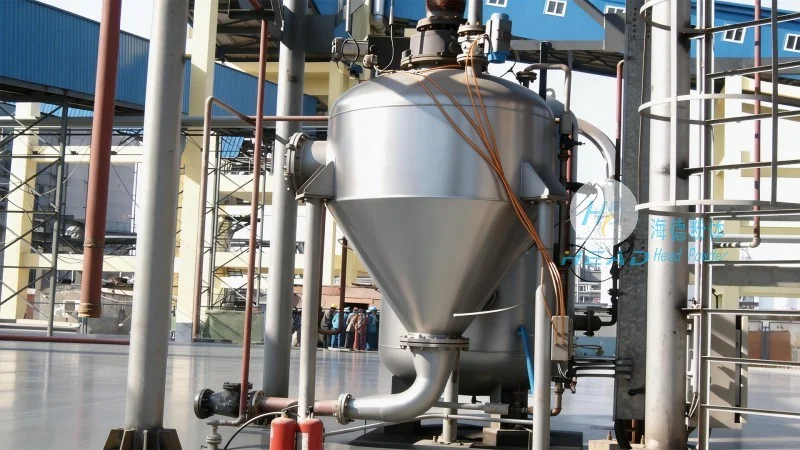
Applications in Different Industrial Sectors
Fully automatic bulk material pneumatic conveying systems are widely adopted across various industrial sectors due to their adaptability and efficiency. In the food and beverage industry, these systems are used for transporting ingredients like flour, sugar, and spices, ensuring a clean and controlled process. In the pharmaceutical industry, they facilitate the handling of active pharmaceutical ingredients (APIs) and other sensitive materials, maintaining strict quality and safety standards. The chemical industry utilizes pneumatic conveying for transporting raw materials and intermediates, while the mining and minerals sector employs these systems for moving ore and other bulk solids from processing plants to storage facilities. Each application leverages the unique advantages of pneumatic conveying, such as reduced labor costs, improved safety, and enhanced product quality.
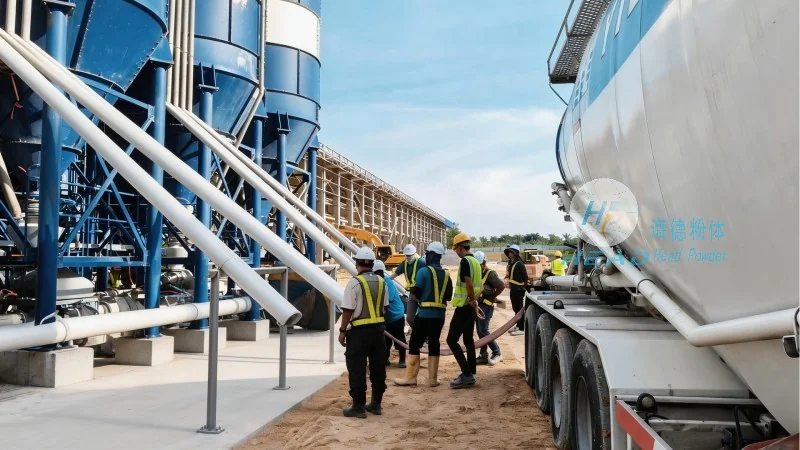
Advantages of Fully Automatic Systems
Compared to semi-automatic or manual conveying methods, fully automatic bulk material pneumatic conveying systems offer several significant advantages. Automation ensures consistent material flow rates, reducing variability in downstream processes and improving overall production quality. The integration of sensors and control systems allows for real-time monitoring and adjustment of conveying parameters, enhancing operational control and minimizing downtime. Furthermore, fully automatic systems require less manual intervention, leading to reduced labor costs and increased worker safety by eliminating the need for manual handling of bulk materials. The enclosed design also contributes to better environmental management, as it prevents dust emissions and material contamination, aligning with modern industrial standards for sustainability and regulatory compliance.
Conclusion
HeadPowder Engineering Co., Ltd., with its headquarters in Shandong, China, continues to lead the development of advanced fully automatic bulk material pneumatic conveying systems. By combining innovative engineering solutions with practical application expertise, the company ensures that its systems meet the diverse needs of industrial clients while adhering to the highest standards of efficiency, reliability, and safety. The principles and working scene characteristics discussed in this article underscore the importance of pneumatic conveying in modern industrial operations, highlighting its role as a critical component in optimizing material handling processes across various sectors.