

Principle and Application Characteristics of Limestone Pneumatic Conveying Equipment
Limestone pneumatic conveying equipment is a critical component in material handling systems, especially for the efficient transport of limestone, a widely used industrial material. This equipment operates based on pneumatic principles, utilizing air to move bulk materials through a pipeline system. The technology offers significant advantages over traditional mechanical conveying methods, such as reduced maintenance, lower energy consumption, and enhanced safety in handling dusty or hazardous materials. In this article, we will explore the fundamental principles of how these systems work and the specific application scenarios where they excel.
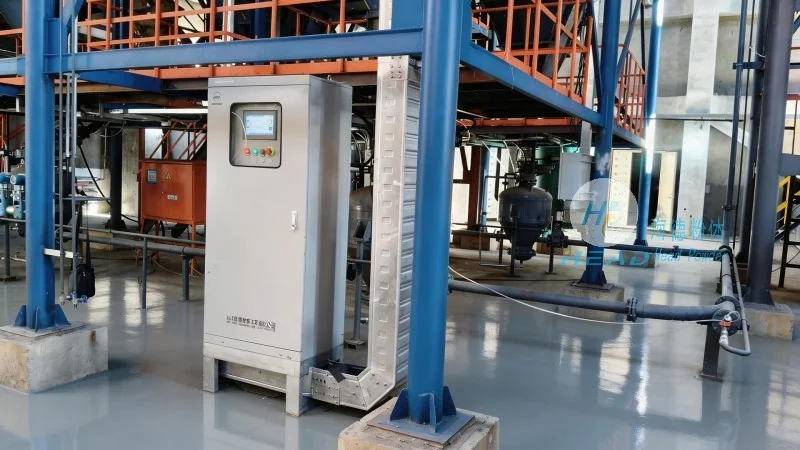
Core Working Principle of Pneumatic Conveying Systems
The operation of limestone pneumatic conveying equipment relies on the creation of a pressure differential within a closed pipeline network. The system typically consists of a material hopper, a rotary valve or feeder, a conveying pipeline, and a receiver or discharge point. The process begins when limestone is fed into the hopper. A rotary valve then controls the flow of material into the pipeline, ensuring a consistent feed rate. Simultaneously, a fan or blower generates high-velocity air within the pipeline, which creates a negative pressure (suction) or positive pressure (blowing) environment, depending on the system design. This air stream propels the limestone particles through the pipeline, transporting them from the source to the destination. The key to efficient operation lies in maintaining the correct air velocity and pressure to prevent material settling or blockages. The equipment also includes components like filters and cyclones to separate the air from the material, ensuring clean air release and material recovery.
Key Components and Their Functions
Several critical components make up a limestone pneumatic conveying system, each playing a vital role in the overall performance. The material hopper stores the limestone and provides a consistent feed source. The rotary valve or feeder regulates the material flow into the pipeline, preventing backflow and ensuring a steady supply. The conveying pipeline, usually made of stainless steel or other corrosion-resistant materials, is designed to withstand the pressure and abrasion from the limestone particles. The fan or blower generates the necessary air flow, with options including centrifugal fans for suction systems and positive displacement blowers for pressure systems. The receiver or discharge point collects the material at the end of the pipeline, often equipped with a hopper or silo to store the delivered limestone. Additional components may include filters to remove dust from the air, cyclones for material separation, and pressure relief valves to maintain system safety.
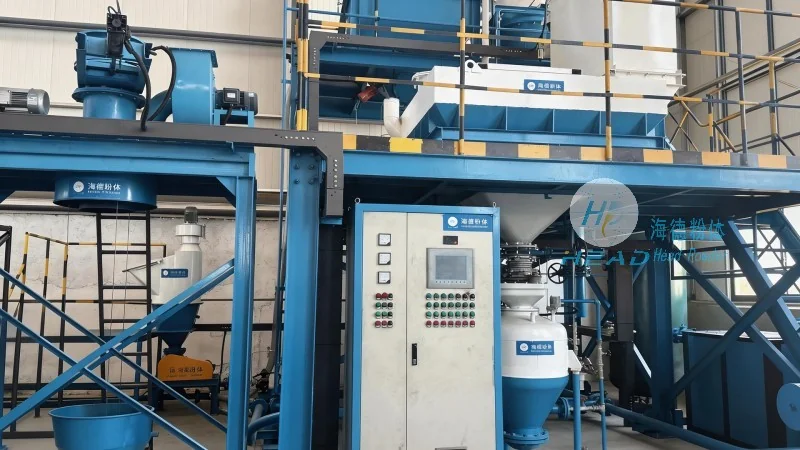
Application Scenarios and Operational Advantages
Limestone pneumatic conveying equipment is widely used in various industrial applications due to its versatility and efficiency. One primary application is in cement production, where limestone is a key raw material. The equipment efficiently transports limestone from storage silos to the cement grinding mills, ensuring a continuous supply without the need for manual handling. Another common use is in chemical processing facilities, where limestone is used as a neutralizing agent or in the production of calcium compounds. The system allows for safe and dust-free transport of limestone, reducing the risk of inhalation hazards and contamination. In environmental applications, such as flue gas desulfurization (FGD) systems, limestone is used to absorb sulfur dioxide. Pneumatic conveying systems enable the precise delivery of limestone to the reaction towers, optimizing the desulfurization process. Additionally, in mining and quarry operations, limestone is extracted and transported from the mine site to processing plants or storage facilities. The equipment offers a cost-effective solution for long-distance transport, minimizing the need for trucks or other heavy machinery.
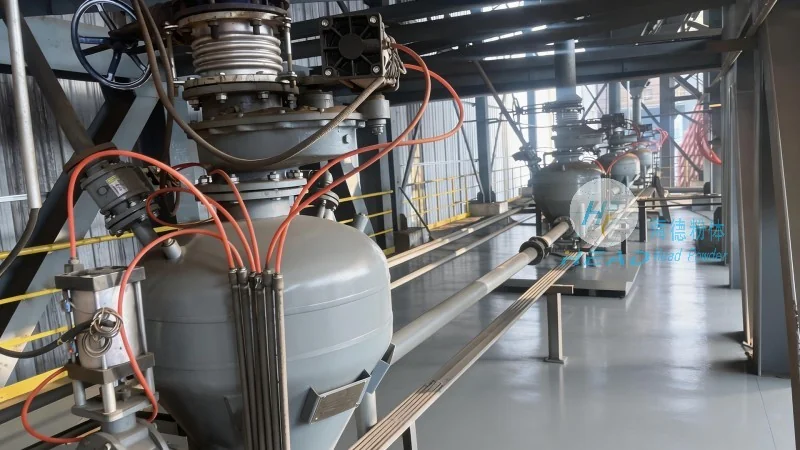
Operational Considerations and Maintenance
Effective operation of limestone pneumatic conveying equipment requires careful consideration of several factors. The material properties of limestone, such as its particle size, density, and moisture content, significantly impact system performance. Coarser or wetter limestone may require higher air velocities or additional equipment like pre-drying or size reduction to ensure smooth transport. System design must also account for the distance and elevation changes between the source and destination, as these affect the required air pressure and fan capacity. Regular maintenance is crucial to prevent system downtime and ensure long-term reliability. This includes inspecting and cleaning the conveying pipeline and filters to prevent blockages, checking the fan and motor for proper operation, and lubricating moving parts like the rotary valve. Proper training of operators on system operation and emergency procedures is also essential for safe and efficient operation.
Conclusion and Company Overview
Limestone pneumatic conveying equipment is a sophisticated and efficient solution for the transport of limestone in various industrial applications. By leveraging pneumatic principles, these systems offer significant advantages over traditional conveying methods, including reduced labor costs, improved safety, and enhanced material handling capabilities. The technology is particularly well-suited for applications requiring long-distance, dust-free, and continuous material transport. As a leading provider in the industry, Shandong HeadPowder Engineering Co., Ltd. specializes in designing and manufacturing high-quality pneumatic conveying systems tailored to the specific needs of clients. With a focus on reliability, efficiency, and safety, the company serves a wide range of industries, including cement, chemical, and environmental sectors. Based in Shandong, China, HeadPowder Engineering Co., Ltd. combines advanced engineering expertise with practical application knowledge to deliver solutions that meet the evolving demands of modern industrial operations.