

Principle and Application Scenarios of Calcium Nitrite Pneumatic Conveying Equipment
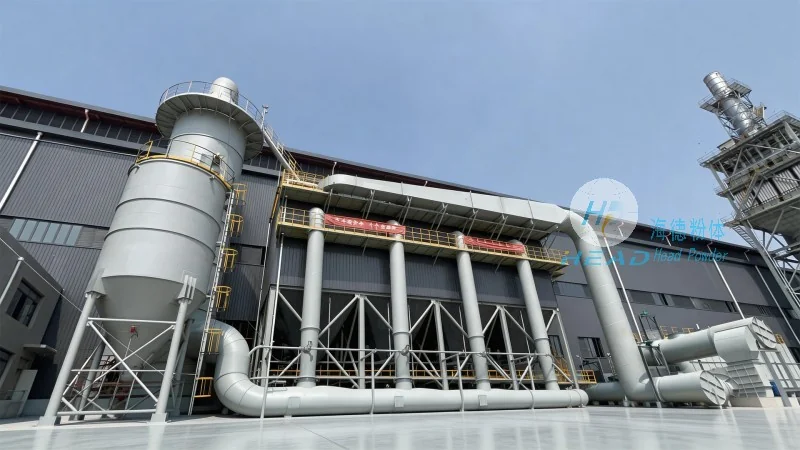
Calcium nitrite is a widely used chemical compound in various industrial sectors, such as chemical manufacturing, food processing, and pharmaceutical production. Due to its hygroscopic nature and tendency to agglomerate, efficient and reliable material handling is crucial for its application. Pneumatic conveying systems offer an effective solution to transport calcium nitrite safely and efficiently, especially when traditional methods like belt conveyors or bucket elevators are not suitable. This article explores the principle of calcium nitrite pneumatic conveying equipment and highlights its key application scenarios.
Overview of Calcium Nitrite and Its Handling Challenges
Calcium nitrite (Ca(NO₂)₂) is an inorganic compound that serves as a corrosion inhibitor, food preservative, and de-icing agent in different industries. Its hygroscopic property means it readily absorbs moisture from the air, leading to caking or lump formation, which can obstruct normal handling processes. Additionally, calcium nitrite is often a fine or moderately fine powder, requiring precise control during transport to prevent loss or contamination. Traditional mechanical conveyors may struggle with these characteristics, making pneumatic conveying a preferred choice for many applications.
Principle of Pneumatic Conveying Systems
Pneumatic conveying systems use compressed air or gas to transport bulk materials through a pipeline. The core components of such a system include a material feeding device, a conveying pipeline, a separation system, and a gas source. The working principle involves creating a pressure differential between the inlet and outlet of the pipeline. For positive pressure systems, air is introduced at the material inlet, pushing the material forward through the pipeline. In contrast, negative pressure systems draw air out of the pipeline, creating a vacuum that pulls the material along. The choice between positive and negative pressure depends on factors like material properties, system layout, and operational requirements.
Key Components of Calcium Nitrite Pneumatic Conveying Equipment
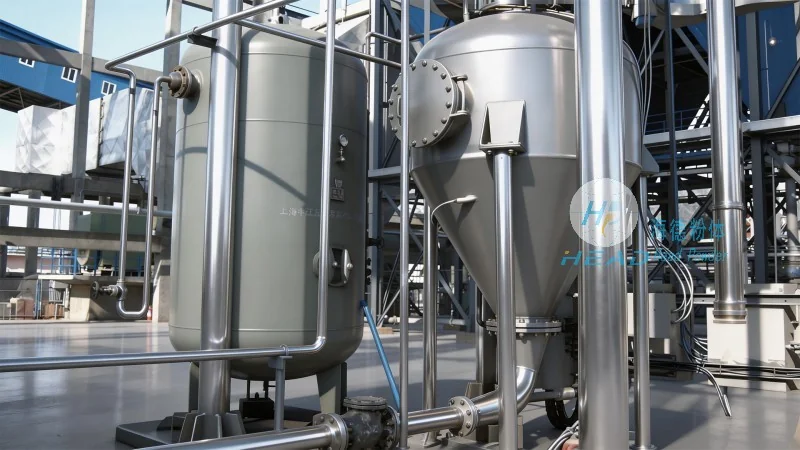
The effectiveness of a pneumatic conveying system for calcium nitrite relies on several critical components. First, the feeding system, which may include a rotary valve or a screw feeder, ensures a consistent and controlled flow of material into the pipeline. This prevents blockages and maintains the integrity of the material. Second, the conveying pipeline is typically made of corrosion-resistant materials like stainless steel or polyethylene to withstand the chemical properties of calcium nitrite and prevent contamination. The pipeline design, including bends and straight sections, is optimized to minimize pressure drop and maintain material velocity. Third, the separation system, often a cyclone or a bag filter, separates the material from the air at the end of the pipeline, allowing the air to be recycled and the material to be collected in a hopper or storage tank. Finally, the gas source, such as a blower or a compressor, provides the necessary air pressure or vacuum to drive the conveying process.
Application Scenarios of Calcium Nitrite Pneumatic Conveying
The versatility of calcium nitrite pneumatic conveying equipment makes it suitable for diverse industrial applications. In the chemical industry, these systems are commonly used in the production of calcium nitrite for corrosion inhibition in metal processing. The equipment ensures a continuous and clean transfer of the material from storage silos to reactors, maintaining product quality and preventing contamination. In the food industry, calcium nitrite is used as a preservative in meat products, and pneumatic conveying systems help transport it from storage to processing lines without compromising food safety. The hygienic design of the equipment, with smooth surfaces and easy-to-clean components, is essential in this sector. In the pharmaceutical industry, where precision and sterility are paramount, pneumatic conveying systems are employed to transport calcium nitrite for use in drug formulations. The systems are often equipped with dust collection and filtration units to meet stringent regulatory requirements.
Advantages of Using Pneumatic Conveying for Calcium Nitrite
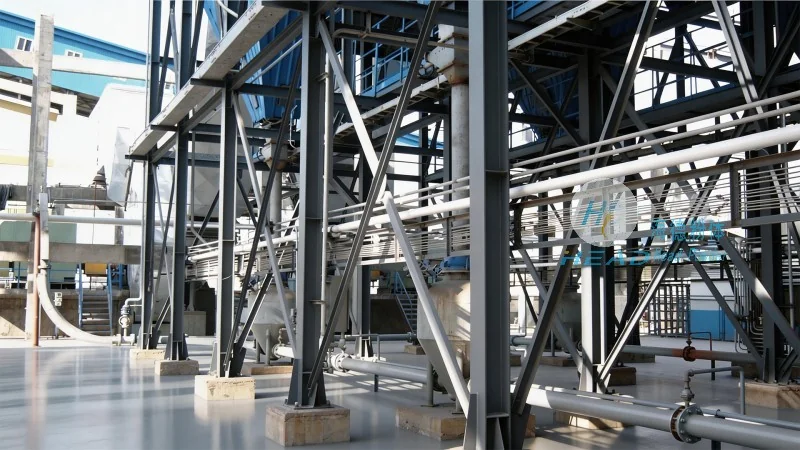
Compared to traditional mechanical conveyors, pneumatic conveying offers several advantages for handling calcium nitrite. Firstly, it provides a closed system, which prevents dust emission and protects the material from environmental contamination. This is particularly important for calcium nitrite, as it is a fine powder that can be hazardous if inhaled. Secondly, pneumatic systems can handle materials with high moisture content or those that are prone to agglomeration, as the air flow helps break up lumps and maintain a consistent flow. Thirdly, the equipment allows for flexible system layouts, as the pipeline can be easily reconfigured to adapt to changes in production processes or facility expansions. Additionally, pneumatic conveying reduces labor costs by automating the material handling process and minimizing the need for manual intervention. The energy efficiency of modern pneumatic systems, especially when using variable frequency drives, further enhances their economic viability.
Considerations for Selecting a Pneumatic Conveying System
When selecting a pneumatic conveying system for calcium nitrite, several factors must be considered to ensure optimal performance and reliability. The first consideration is the material's physical properties, including particle size, density, and flowability. These characteristics determine the appropriate conveying velocity and pressure required to prevent material deposition or blockages. The second factor is the system's capacity, which should match the production rate and storage needs of the facility. A mismatch between the system's capacity and the material flow can lead to inefficiencies or equipment damage. Thirdly, the environmental and safety requirements of the application must be addressed. For example, in food or pharmaceutical industries, the system must meet hygiene standards and be equipped with dust collection and filtration systems. Finally, the cost of the equipment and its maintenance should be evaluated. While initial investment may be higher than traditional conveyors, the long-term benefits of improved efficiency, reduced downtime, and enhanced safety make pneumatic conveying a cost-effective solution.