

Principle and Working Scene Characteristics of Sand Pneumatic Conveying Systems
Shandong HeadPowder Engineering Co., Ltd., a professional manufacturer based in Shandong, China, specializes in the design, production, and installation of pneumatic conveying systems. The company, commonly known as HeadPowder, focuses on providing efficient and reliable solutions for material handling, particularly in the sand transportation sector.
Introduction to Sand Pneumatic Conveying Systems
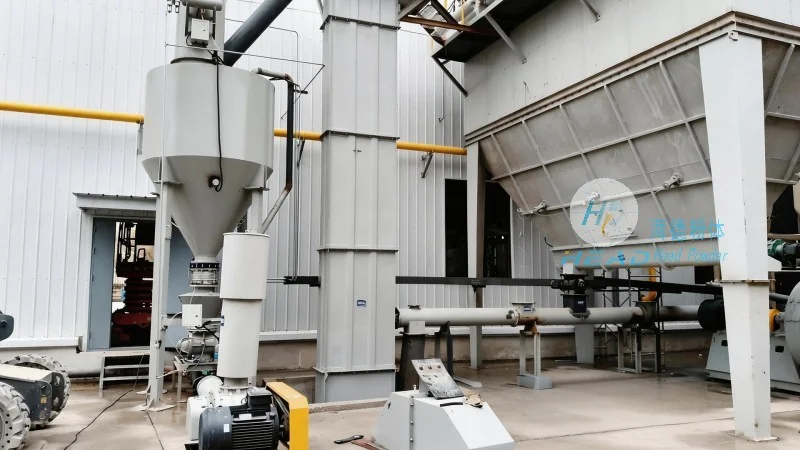
Sand pneumatic conveying lines are advanced systems engineered to transport sand and similar granular materials through a pipeline using compressed air or other gas. These systems represent a significant advancement over traditional methods like belt conveyors or bucket elevators, offering advantages such as reduced dust generation, lower maintenance costs, and the ability to handle materials in enclosed environments. The core principle of pneumatic conveying involves creating a pressure differential within the pipeline, which propels the material forward through the air stream.
The Fundamental Principle of Pneumatic Conveying
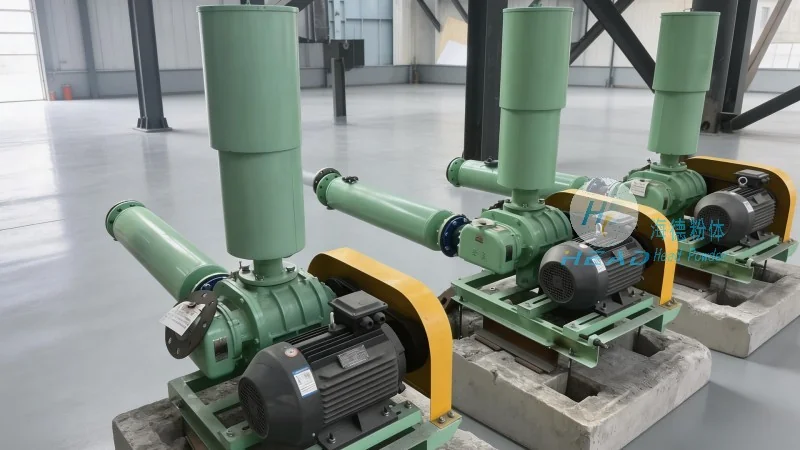
The operation of a sand pneumatic conveying line is based on the physics of fluid dynamics and particle movement. In a typical system, a blower or compressor generates high-pressure air, which is introduced into the conveying line at the inlet. The air flow creates a low-pressure zone downstream, drawing the sand particles into the pipeline. The combination of air velocity and particle size determines the conveying velocity and efficiency. For sand, which is a fine to medium-grained material, the system is optimized to maintain a consistent flow rate while minimizing particle degradation. Key components include the air source (blower), the conveying line (usually made of stainless steel or plastic to prevent corrosion and material buildup), and the discharge equipment at the end of the line.
Working Scene Characteristics and Application Features
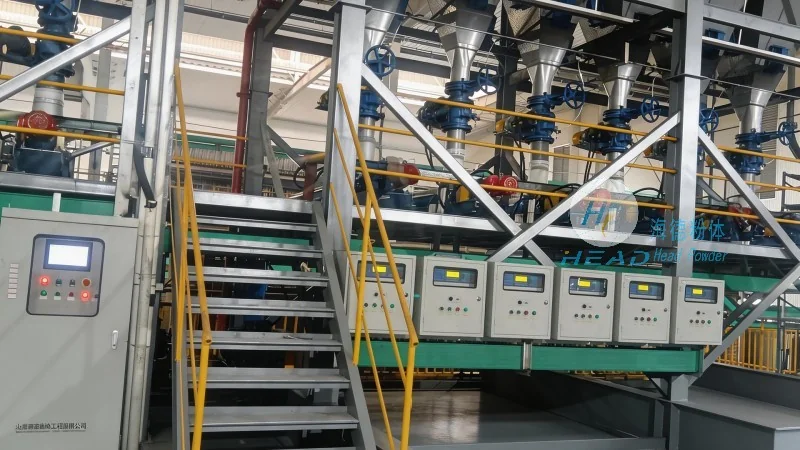
The working scene characteristics of sand pneumatic conveying systems are tailored to various industrial environments where sand is a critical raw material. These systems are commonly used in construction sites, sand processing plants, and foundries, where the need to transport large volumes of sand efficiently and safely is paramount. The enclosed nature of the system helps in controlling dust, which is a major concern in sand handling operations. Additionally, the flexibility of pneumatic conveying allows for vertical, horizontal, or combined (inclined) transport, adapting to the layout of different workspaces. In construction, for example, these lines can be integrated into sand storage facilities to deliver material directly to mixing stations or excavation sites. In sand processing plants, they facilitate the movement of sand from crushing and screening units to storage silos or shipping containers. The reliability of the system, with minimal downtime due to maintenance, makes it suitable for continuous production environments. Furthermore, the ability to handle abrasive materials like sand without significant wear on the equipment ensures long-term operational efficiency.
Conclusion
Shandong HeadPowder Engineering Co., Ltd. offers comprehensive sand pneumatic conveying solutions that leverage advanced engineering principles to meet the demands of modern industrial applications. By integrating robust design, efficient air management, and durable components, these systems provide reliable and cost-effective material handling for sand transportation. The working scene characteristics, including adaptability to different environments and the ability to maintain low dust levels, make them an ideal choice for industries requiring high-performance sand handling solutions.