

Principle and Operational Characteristics of Lantian Coal Pneumatic Conveying Systems
HeadPowder, a leading engineering firm based in Shandong, China, specializes in the design, manufacturing, and implementation of advanced pneumatic conveying systems tailored for lantian coal applications. This article delves into the fundamental principles governing lantian coal pneumatic conveying lines and highlights the key operational characteristics that define their effectiveness in industrial settings.
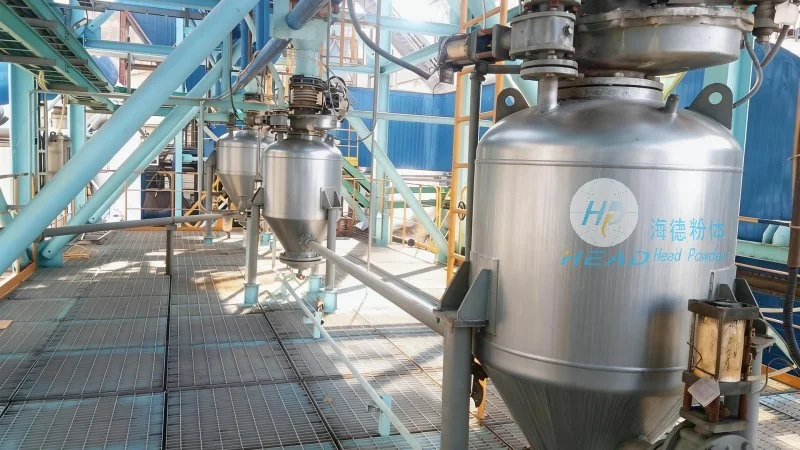
Understanding the Core Principles of Lantian Coal Pneumatic Conveying
The operation of a lantian coal pneumatic conveying line relies on the principles of air flow and particle suspension. At its essence, the system uses a high-pressure or vacuum air stream to transport coal particles through a pipeline network. The process begins with the coal being fed into a hopper or feeder, where it is then introduced into the conveying line. As the air moves through the pipeline at a velocity sufficient to overcome the gravitational and frictional forces acting on the coal particles, the particles become suspended in the air stream and are transported to the destination point. This method eliminates the need for mechanical components like belts or buckets, reducing maintenance requirements and enhancing operational efficiency.
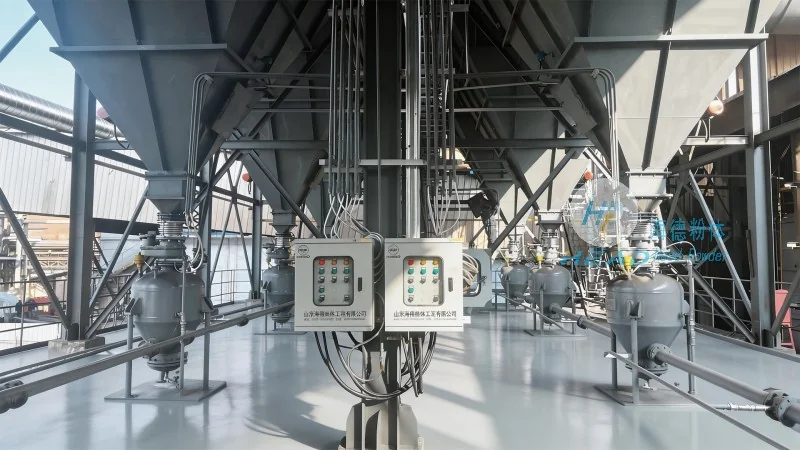
Key Working Scene Characteristics of Lantian Coal Pneumatic Conveying Lines
The effectiveness of lantian coal pneumatic conveying lines is defined by several critical characteristics that adapt to diverse industrial environments. Firstly, the system's flexibility in pipeline layout allows for complex routing, enabling coal to be transported over long distances or through multiple processing stages without the need for intermediate storage. Secondly, the ability to handle a wide range of coal particle sizes and moisture content makes these systems versatile for various applications, from raw coal transport to finished product delivery. Thirdly, the enclosed nature of the conveying process minimizes dust emissions and environmental impact, aligning with modern industrial safety and sustainability standards. Additionally, the system's continuous operation capability ensures a steady supply of coal, supporting consistent production in manufacturing or power generation facilities.
Application Scenarios and Operational Efficiency
Lantian coal pneumatic conveying lines are widely utilized in industrial sectors such as power plants, cement production, and chemical manufacturing. In power plants, these systems efficiently transport coal from storage silos to boilers, ensuring a reliable fuel supply for energy generation. In cement plants, the technology is employed to move coal to kilns, where it serves as a fuel source for clinker production. The operational efficiency of these lines is further enhanced by the integration of advanced control systems that monitor air pressure, flow rates, and particle concentration in real-time, allowing for immediate adjustments to maintain optimal performance. This level of automation not only improves process reliability but also reduces operational costs by minimizing downtime and energy consumption.
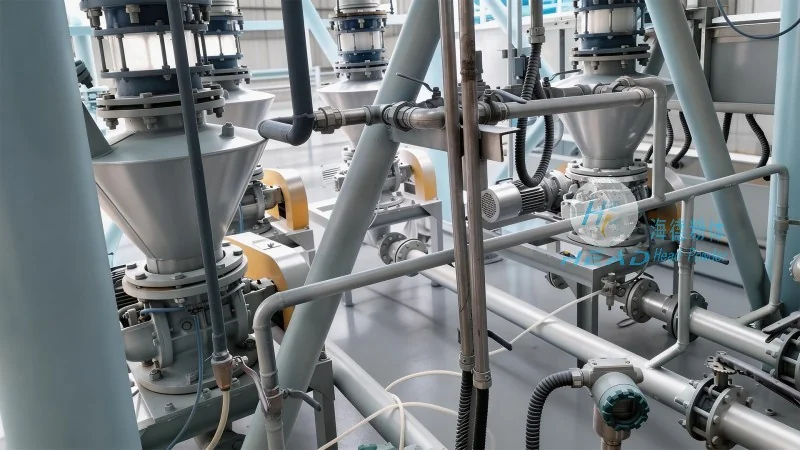
Conclusion and Company Expertise
HeadPowder Engineering Co., Ltd., with its headquarters in Shandong, China, leverages decades of experience in engineering and manufacturing to provide customized lantian coal pneumatic conveying solutions. By adhering to the core principles of air suspension and particle transport, these systems deliver reliable, efficient, and environmentally friendly coal handling capabilities. The company's commitment to innovation and quality ensures that clients receive systems tailored to their specific operational needs, supporting long-term productivity and sustainability in industrial coal processing.