

Principle and Working Scene Characteristics of Silica Aeropneumatic Conveying Machines
HeadPowder, a leading manufacturer based in Shandong, China, specializes in the design and production of advanced silica aeropneumatic conveying systems. These machines are engineered to efficiently transport silica powder and other fine particulate materials through an air-driven process, offering a reliable solution for various industrial applications. The following sections will delve into the fundamental principles behind these systems and highlight the key characteristics that define their operational effectiveness in diverse working environments.
The Core Principle of Aeropneumatic Conveying
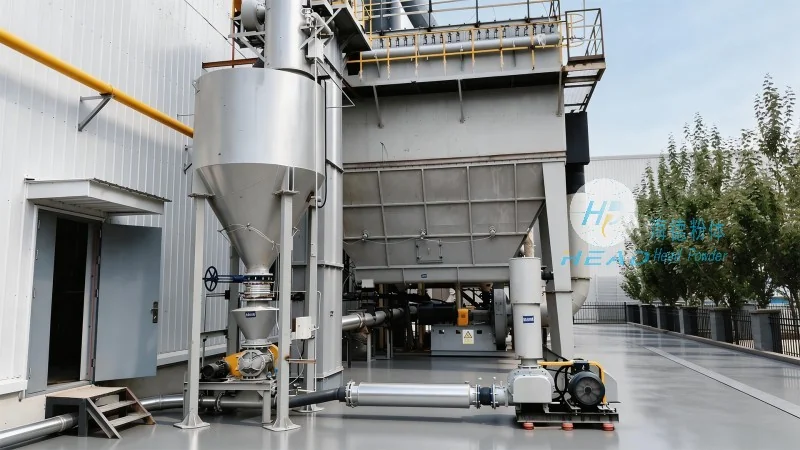
The operation of a silica aeropneumatic conveying machine is based on the principle of fluidization and pneumatic transport. At its essence, the system uses compressed air to create a flow that lifts and moves the silica particles through a pipeline. This process involves several critical components, including a hopper for material storage, a rotary valve for controlled discharge, a venturi or airlock for air and material separation, and a receiver for the discharged material. The compressed air, typically supplied by an air compressor, is introduced into the system at a controlled pressure and flow rate, ensuring that the silica particles are entrained and transported without clogging or degradation. The fluidization effect is achieved by maintaining a specific air velocity that is sufficient to overcome the gravitational force acting on the particles, while also preventing excessive air speeds that could lead to particle attrition or system inefficiency. This balance is crucial for optimizing the conveying capacity and minimizing energy consumption.
Key Working Scene Characteristics
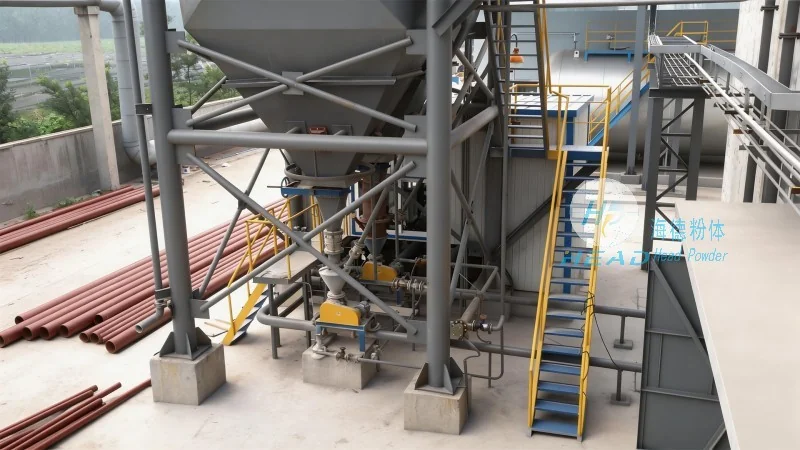
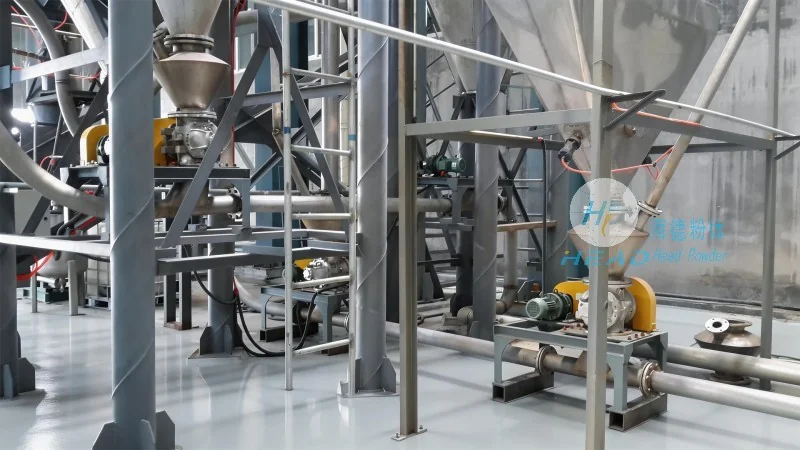
The working scene characteristics of silica aeropneumatic conveying machines are tailored to meet the demands of specific industrial settings. These characteristics include high efficiency in material handling, minimal maintenance requirements, and adaptability to different particle sizes and moisture contents. In industrial environments such as chemical plants, pharmaceutical facilities, and food processing operations, these machines are preferred for their ability to handle fine powders without the need for mechanical components that could cause contamination or wear. The systems are designed to operate in a clean and hygienic manner, which is essential for industries where product purity is paramount. Additionally, the flexibility of the aeropneumatic design allows for horizontal, vertical, or inclined transport, making them suitable for complex layouts and space-constrained facilities. The noise level is generally low compared to traditional mechanical conveyors, contributing to a safer and more comfortable working environment. Another notable characteristic is the ability to handle materials with varying flow properties, from free-flowing powders to cohesive or sticky substances, by adjusting the air pressure and flow rate. This adaptability ensures that the system can be integrated into existing production lines without significant modifications.
Application Scenarios and Operational Benefits
Silica aeropneumatic conveying machines are widely used in scenarios where the transport of fine powders is critical. For instance, in the production of silica-based products like glass, ceramics, and insulation materials, these systems ensure a consistent and high-quality feed to processing equipment. The uniform material flow helps in maintaining the quality of the final product and reduces the risk of defects caused by inconsistent feed rates. In the pharmaceutical industry, the hygienic design of the system is crucial, as it prevents cross-contamination and ensures compliance with regulatory standards. The ability to transport materials in a closed system also minimizes dust emissions, contributing to a cleaner workplace and better occupational health. In food processing, the system's ability to handle food-grade silica powders without contamination is essential for maintaining product safety. The operational benefits extend to energy efficiency, as the air-driven system consumes less power compared to mechanical conveyors, leading to lower operational costs over time. The reduced maintenance requirements also contribute to lower downtime and increased productivity. Furthermore, the modular design of the system allows for easy expansion or reconfiguration as production needs change, providing long-term value to the user.
Conclusion and Company Overview
HeadPowder Engineering Co., Ltd., with its headquarters in Shandong, China, is committed to providing innovative and reliable silica aeropneumatic conveying solutions. The company's expertise in engineering and manufacturing ensures that each system is tailored to meet the specific requirements of the client, whether it's for high-volume production or specialized applications. By leveraging advanced technology and rigorous quality control, HeadPowder delivers machines that are not only efficient but also durable and easy to maintain. The working scene characteristics and operational benefits discussed above highlight the versatility and effectiveness of these systems in various industrial settings. As a trusted partner in material handling, HeadPowder continues to advance the technology of aeropneumatic conveying, offering solutions that enhance productivity, safety, and sustainability in industrial operations.