

Principles and Working Scene Characteristics of Automatic Quantitative Pneumatic Conveying System Eq
HeadPowder, a leading manufacturer based in Shandong, China, specializes in the design and production of advanced automatic quantitative pneumatic conveying systems. These systems are engineered to efficiently transport bulk materials with precision and reliability, catering to diverse industrial applications.
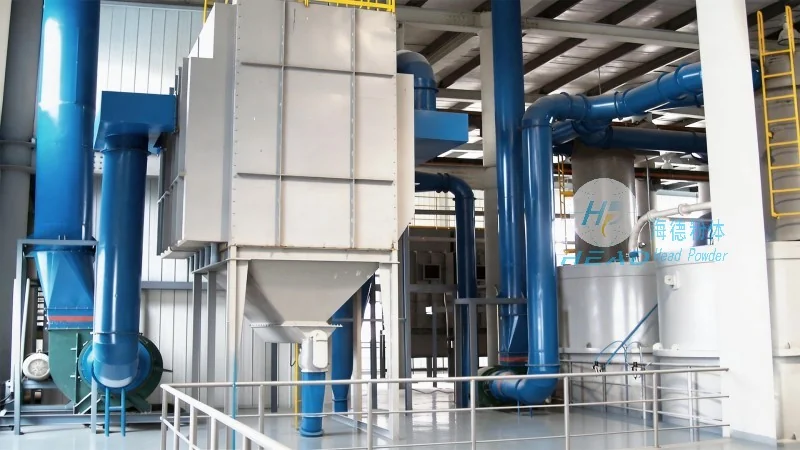
Core Principles of Automatic Quantitative Pneumatic Conveying Systems
The fundamental principle of these systems lies in the use of compressed air to create a flow of material through a pipeline. The system integrates a quantitative feeder, which precisely measures and controls the volume of material being conveyed. This ensures consistent and accurate delivery of bulk goods, eliminating manual errors and enhancing operational efficiency. The pneumatic conveying mechanism involves the generation of a low-pressure or high-pressure air stream that propels the material particles through the system. The design incorporates features such as air locks, cyclones, and filters to maintain material integrity and prevent contamination. The quantitative feeder, often equipped with sensors and control algorithms, adjusts the feed rate in real-time based on process requirements, ensuring optimal performance under varying conditions.
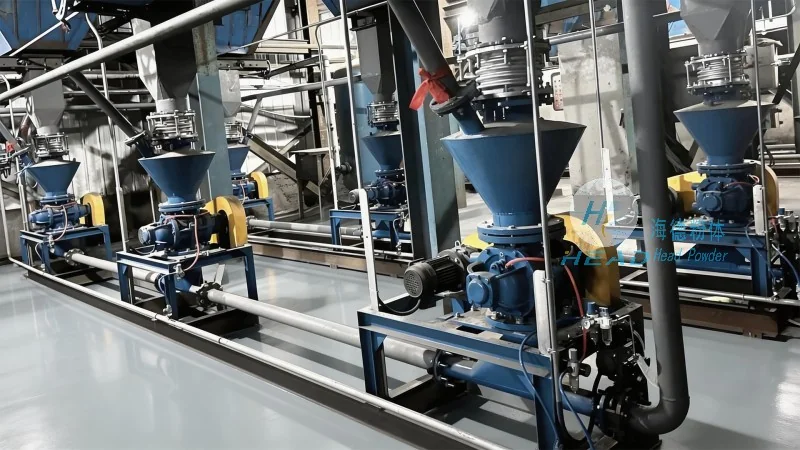
Key Working Scene Characteristics
Automatic quantitative pneumatic conveying systems are widely applied in various industrial settings, each with distinct characteristics that highlight their adaptability. In the food and pharmaceutical industries, the systems operate under strict hygiene standards, utilizing stainless steel components and sealed pipelines to prevent cross-contamination. The quantitative precision is critical here, as it directly impacts product quality and regulatory compliance. In the chemical and petrochemical sectors, the systems are designed to handle abrasive and corrosive materials, with robust construction and corrosion-resistant materials to ensure long-term durability. The working scene also includes applications in the agricultural industry, where the systems efficiently convey grains, seeds, and other bulk agricultural products with minimal loss and high throughput. Additionally, in the mining and construction industries, these systems are used to transport raw materials like ores, powders, and aggregates, supporting large-scale production processes. The versatility of the system allows it to adapt to different material types, particle sizes, and flow rates, making it suitable for a wide range of industrial applications.
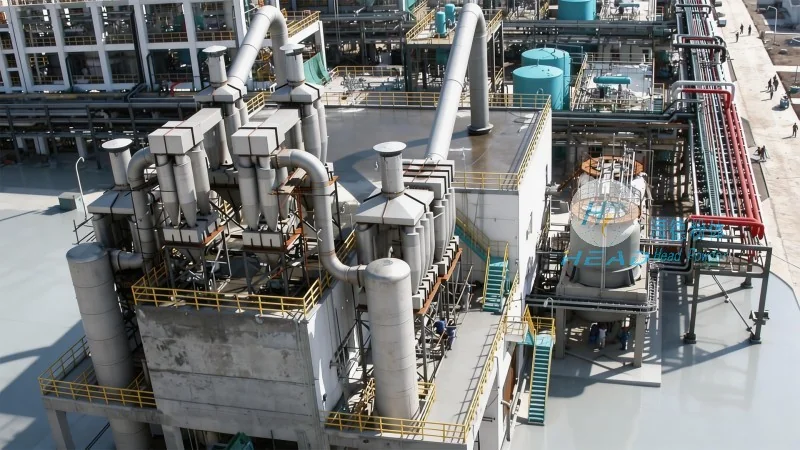
Advantages and Practical Applications
One of the primary advantages of automatic quantitative pneumatic conveying systems is their ability to achieve high levels of automation, reducing the need for manual intervention and labor costs. The quantitative feeder ensures consistent material delivery, which is essential for processes that require precise dosing, such as in chemical mixing or pharmaceutical manufacturing. The system also offers flexibility in terms of layout, as it can be configured in various configurations, including vertical, horizontal, or mixed layouts, to suit the spatial constraints of different facilities. The pneumatic conveying method eliminates the need for mechanical components like belts or buckets, reducing maintenance requirements and extending the system's lifespan. In terms of practical applications, these systems are commonly used in bulk material handling, where they replace traditional methods like bucket elevators or screw conveyors. They are particularly effective in environments where dust control and material containment are critical, as the sealed pipeline system prevents dust emissions and maintains a clean working environment. The system's ability to handle a wide range of materials, from fine powders to coarse granules, makes it a versatile solution for many industrial processes. Furthermore, the integration of advanced control systems allows for remote monitoring and operation, enhancing operational efficiency and reducing downtime.