

Principles and Working Scene Characteristics of Powdered Desulfurization and Denitrification Agent C
Understanding the principles and working scene characteristics of conveying powdered desulfurization and denitrification agents is crucial for optimizing industrial processes in environmental protection and power generation. This article provides a detailed overview, focusing on the technical aspects and practical applications of these systems, with information from Shandong HeadPowder Engineering Co., Ltd., a leading provider in China.
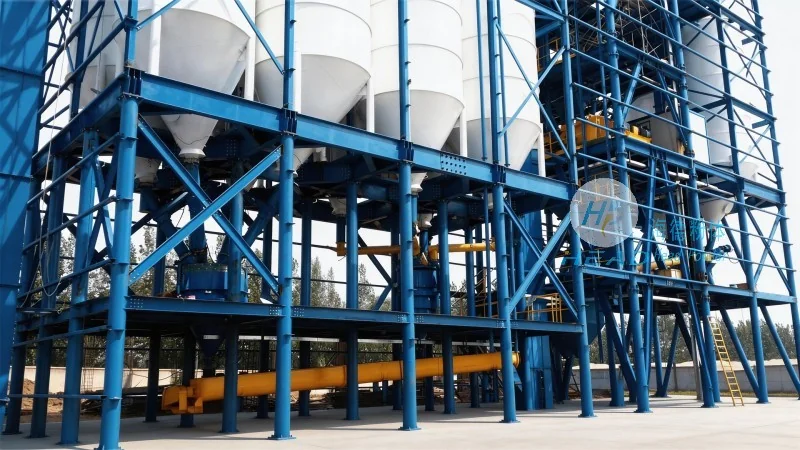
Introduction to Powdered Desulfurization and Denitrification Agents
Powdered desulfurization and denitrification agents are essential components in modern industrial applications, particularly in power plants and chemical facilities. These agents are used to remove sulfur dioxide (SO₂) and nitrogen oxides (NOₓ) from flue gases, contributing to cleaner air and compliance with environmental regulations. The efficient conveyance of these powders is a critical step in the overall treatment process, as it directly impacts the effectiveness and reliability of the desulfurization and denitrification systems.
Core Principles of Powdered Desulfurization and Denitrification Agent Conveying
The conveyance of powdered desulfurization and denitrification agents typically involves several key principles to ensure safe and effective operation. One of the primary methods is pneumatic conveying, which uses compressed air to transport the powders through pipelines. This method is widely used due to its ability to handle fine powders and minimize dust generation. Another common approach is mechanical conveying, such as screw conveyors or belt conveyors, which are suitable for bulk material handling and can be integrated into existing industrial setups. The choice of conveying method depends on factors like the particle size, moisture content, and the required flow rate of the powder.
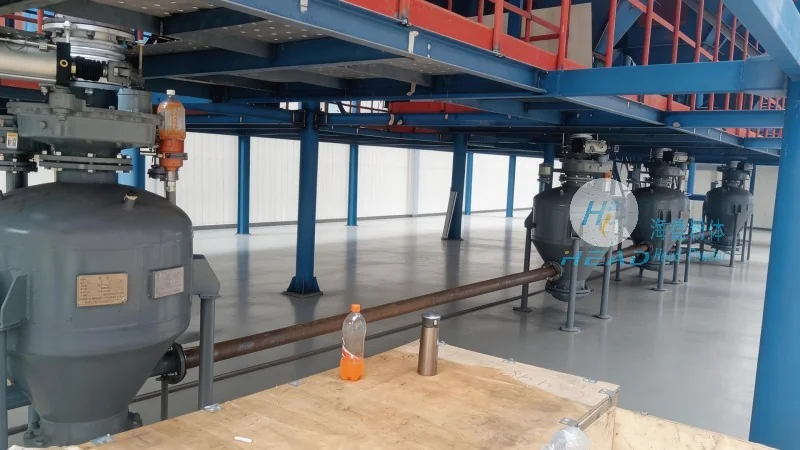
Working Scene Characteristics of Powdered Desulfurization and Denitrification Agent Conveying Systems
The working scene characteristics of these systems vary based on the specific industrial application and the scale of the operation. In power plants, for example, the conveying systems are often designed to handle large volumes of desulfurization and denitrification agents, with high-pressure pneumatic conveyors capable of transporting powders over long distances. The systems are typically integrated with the flue gas treatment equipment, ensuring a continuous and stable supply of the agents. In chemical facilities, the conveyance may involve more complex processes, such as pre-drying or pre-mixing of the powders before they are fed into the treatment units. The working environment is often characterized by high temperatures and corrosive gases, requiring specialized materials and robust construction for the conveying equipment to withstand these conditions.
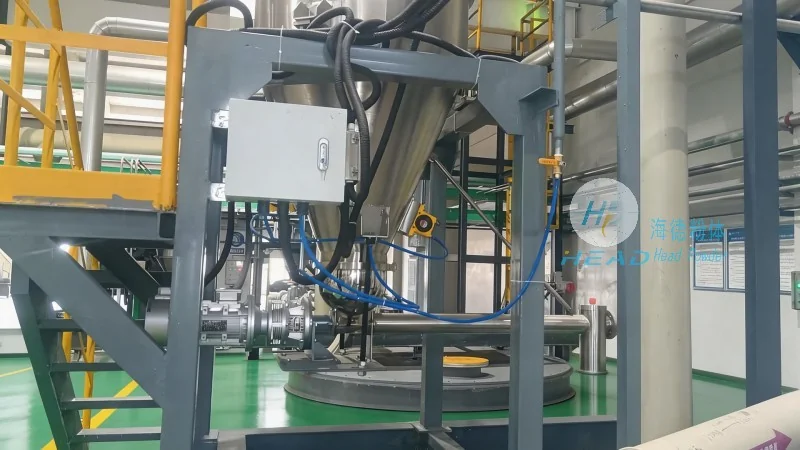
Key Considerations for Optimal Conveying Performance
To achieve optimal performance in the conveying of powdered desulfurization and denitrification agents, several factors must be carefully considered. First, the particle size distribution of the powder is critical, as it affects the flowability and the efficiency of the conveying system. Fine powders may require more energy to transport and are more prone to clogging, while coarser particles can be conveyed more easily but may not be as effective in the treatment process. Second, the moisture content of the powder must be controlled, as excessive moisture can lead to clumping and blockages in the pipelines. Proper drying and conditioning of the powder before conveyance are essential to maintain consistent performance. Third, the system design must account for the pressure drop and the required air flow rate, ensuring that the conveying velocity is sufficient to prevent particle deposition and maintain a smooth flow. Regular maintenance and monitoring of the conveying equipment are also crucial to prevent downtime and ensure long-term reliability.
Conclusion and Practical Applications
In conclusion, the principles and working scene characteristics of conveying powdered desulfurization and denitrification agents are fundamental to the effective operation of environmental protection systems in various industries. The choice of conveying method, the design of the system, and the consideration of operational factors all play a vital role in ensuring the reliability and efficiency of these processes. As a leading provider in China, Shandong HeadPowder Engineering Co., Ltd. specializes in the design and implementation of such systems, offering tailored solutions to meet the specific needs of industrial clients. By understanding and applying the principles outlined in this article, industries can enhance their desulfurization and denitrification processes, contributing to a cleaner environment and sustainable industrial practices.