

Principle and Working Scene Characteristics of Bottom-Discharge Powder Handling Systems
For industrial facilities dealing with bulk powders, efficient and reliable material handling is crucial for maintaining operational efficiency and product quality. One key solution in this domain is the bottom-discharge powder handling system, which offers a robust approach to transporting and managing powders within storage silos or processing units. This article explores the fundamental principles behind such systems and highlights the specific working scene characteristics that make them suitable for various industrial applications.
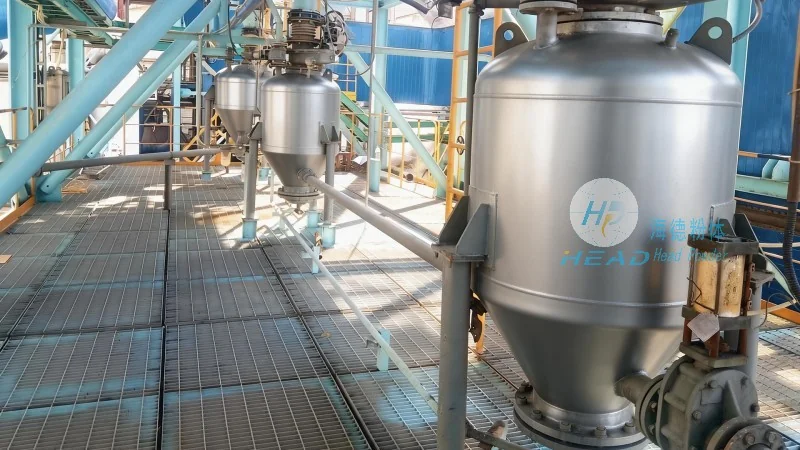
Understanding the Core Principle of Bottom-Discharge Powder Handling Systems
The bottom-discharge powder handling system operates on a principle that leverages gravity and controlled pressure differentials to move powders from storage vessels to processing equipment. Unlike traditional top-discharge systems that rely on mechanical conveyors or pneumatic methods, bottom-discharge systems utilize a hopper or a specially designed outlet at the base of the silo to facilitate the flow of material. This design minimizes the need for external energy sources, reducing operational costs and complexity. The system typically includes components such as a discharge valve, a hopper, and sometimes a feeder or a rotary valve to regulate the flow rate. By maintaining a consistent pressure gradient, the system ensures that powders move smoothly and without clogging, which is critical for preventing material degradation or equipment damage.
Key Working Scene Characteristics of Bottom-Discharge Systems
Bottom-discharge powder handling systems are particularly well-suited for a range of industrial scenarios where bulk powder storage and transportation are essential. The primary characteristics that define their working scenes include:
1. Large-Scale Storage and Processing: These systems are commonly used in industries like chemical manufacturing, food processing, and pharmaceuticals, where large quantities of powders need to be stored in silos and then transferred to processing lines. The bottom-discharge design allows for continuous and unobstructed material flow, which is vital for maintaining production throughput.
2. Prevention of Material Degradation: By minimizing the exposure of powders to air and reducing the risk of agglomeration, bottom-discharge systems help preserve the quality of sensitive materials. This is especially important in industries where the powder's physical or chemical properties must remain stable, such as in the production of pharmaceuticals or high-value food products.
3. Reduced Maintenance and Downtime: The simple design and reliance on gravity reduce the likelihood of mechanical failures or blockages. This leads to lower maintenance requirements and less downtime compared to more complex conveying systems. For facilities that operate 24/7, this reliability is a significant advantage.
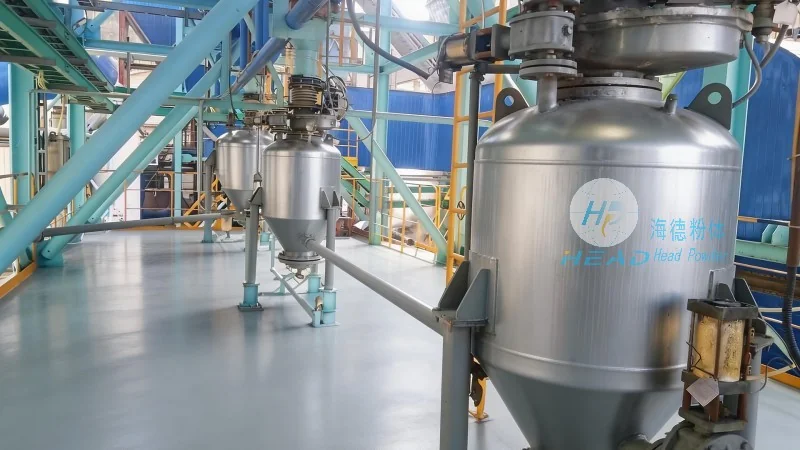
4. Compatibility with Various Powders: Whether dealing with fine powders, granules, or bulk materials, bottom-discharge systems can be adapted to handle a wide range of particle sizes and densities. This versatility makes them suitable for diverse applications, from agricultural products to industrial chemicals.
Application Examples in Real-World Scenarios
Let's examine a few real-world examples where bottom-discharge powder handling systems are applied effectively:
For instance, in a chemical plant producing fertilizers, large silos store raw materials like urea or ammonium nitrate. The bottom-discharge system ensures that these powders are transferred to mixing and packaging equipment without the need for additional conveying mechanisms. This not only improves efficiency but also reduces the risk of dust explosions or material contamination.
In the food industry, particularly in flour mills or sugar processing plants, bottom-discharge systems are used to move bulk ingredients from storage silos to production lines. The controlled flow helps maintain the purity of the ingredients and prevents cross-contamination, which is critical for food safety standards.
Similarly, in pharmaceutical manufacturing, where raw materials are often sensitive and require strict handling protocols, bottom-discharge systems are employed to transfer powders to mixing and granulation units. The system's ability to handle fine powders without agglomeration ensures that the final product meets quality and regulatory requirements.
Benefits and Considerations for Implementing Bottom-Discharge Systems
When considering the implementation of a bottom-discharge powder handling system, several benefits and considerations come into play:
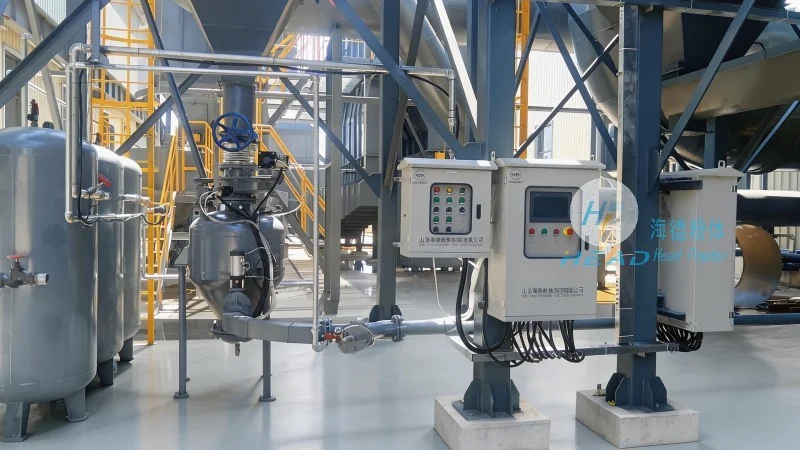
One of the main advantages is the cost-effectiveness. By eliminating the need for complex pneumatic or mechanical conveying systems, facilities can reduce capital and operational expenses. Additionally, the system's low maintenance requirements contribute to long-term savings and increased reliability.
However, it's important to note that the effectiveness of a bottom-discharge system depends on the properties of the powder being handled. For materials that are prone to bridging or caking, additional measures such as vibration or air-assisted discharge may be required to ensure smooth flow. Proper design and sizing of the hopper and discharge valve are also critical to prevent blockages and ensure consistent performance.
Shandong HeadPowder Engineering Co., Ltd., a leading provider of bulk material handling solutions, specializes in designing and manufacturing bottom-discharge powder handling systems tailored to the specific needs of various industries. With years of experience in the field, the company ensures that each system is optimized for efficiency, reliability, and safety, meeting the stringent requirements of modern industrial operations.
The company's expertise lies in understanding the unique challenges of different powder types and working environments, allowing them to deliver customized solutions that enhance operational performance and reduce costs. By leveraging advanced engineering principles and quality manufacturing processes, Shandong HeadPowder Engineering Co., Ltd. provides systems that are durable, efficient, and adaptable to evolving industrial needs.
Located in Shandong, China, the company serves a global clientele, offering comprehensive support from system design and installation to maintenance and troubleshooting. Their commitment to customer satisfaction and technical excellence has made them a trusted partner for facilities seeking reliable powder handling solutions.