

Principle and Working Scene Characteristics of Polycarbonate Powder Conveying Lines
Polycarbonate powder conveying lines are critical components in industrial settings where the efficient and safe handling of polycarbonate powder is essential. These systems are designed to transport polycarbonate powder from storage to processing equipment, ensuring smooth operation and minimizing material loss. Understanding the principles behind these lines and their application in various working scenes is crucial for optimizing industrial processes. HeadPowder, a leading manufacturer based in Shandong, China, specializes in the design and production of high-quality polycarbonate powder conveying lines that meet the diverse needs of industrial clients.
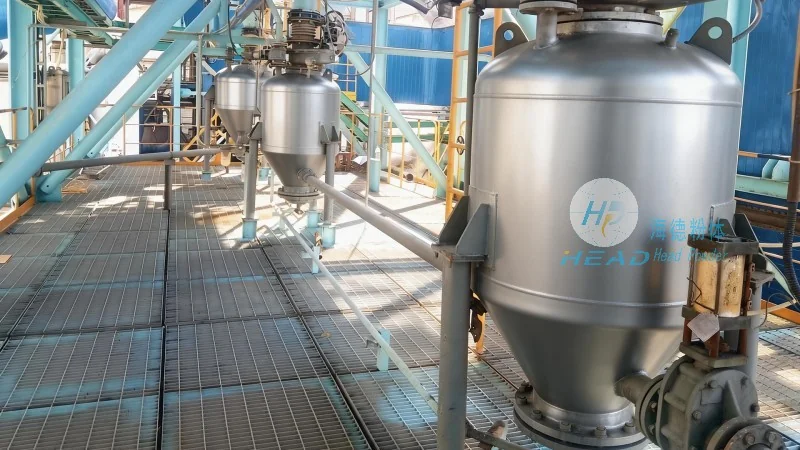
Introduction to Polycarbonate Powder Conveying Lines
Polycarbonate is a high-performance thermoplastic known for its excellent impact resistance, optical clarity, and thermal stability. In industrial applications, polycarbonate powder is often used in the production of various products, including automotive parts, electronic enclosures, and consumer goods. The efficient transportation of this powder is vital to maintain production efficiency and product quality. Polycarbonate powder conveying lines are engineered to handle the unique properties of polycarbonate, such as its tendency to be abrasive and its sensitivity to moisture and contamination. These systems are typically designed with components that minimize material degradation and ensure consistent flow rates.
Core Principles of Polycarbonate Powder Conveying Lines
The fundamental principle of polycarbonate powder conveying lines is to create a controlled environment for the movement of polycarbonate powder. This involves using a combination of equipment, such as hoppers, feeders, and conveyors, to move the powder from its source to the processing equipment. The key to effective conveying is maintaining a consistent flow rate and preventing material buildup or blockages. Polycarbonate powder is often abrasive, which means that the conveying components must be constructed from durable materials to withstand wear and tear. Additionally, the system must be designed to minimize air leakage and prevent contamination from external sources. This is achieved through the use of sealed hoppers, air-tight feeders, and properly sealed conveyors.

Working Scene Characteristics and Applications
Polycarbonate powder conveying lines are used in a wide range of industrial working scenes, each with its own specific requirements. For example, in the automotive industry, these lines are used to transport polycarbonate powder to injection molding machines, where it is used to produce parts like headlight housings and interior components. The working scene in this case involves high-volume production and strict quality control, as the parts produced must meet stringent safety and performance standards. In the electronics industry, polycarbonate powder conveying lines are used to supply material to extrusion or molding machines, which are used to create electronic enclosures and connectors. The working scene here emphasizes precision and consistency, as the parts must be free from defects and have uniform dimensions.
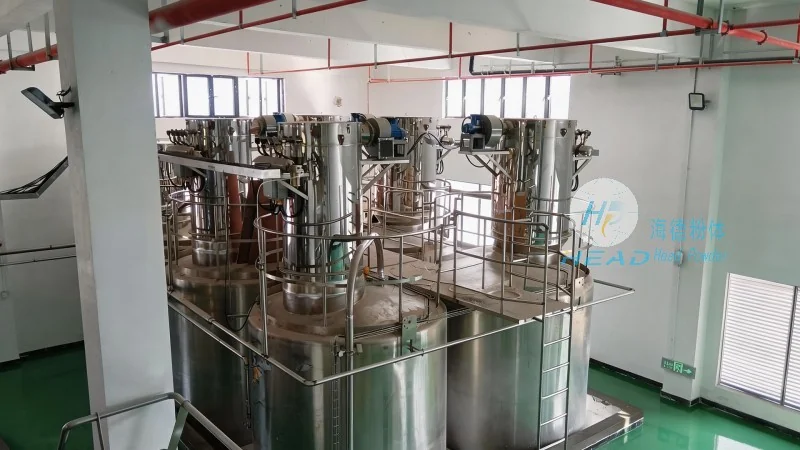
Advantages of Polycarbonate Powder Conveying Lines
Polycarbonate powder conveying lines offer several advantages over traditional manual handling methods. First, they improve efficiency by automating the material transport process, reducing the time and labor required to move polycarbonate powder. Second, they enhance safety by minimizing the risk of human exposure to the powder, which can be harmful if inhaled or ingested. Third, they improve product quality by ensuring consistent flow rates and preventing contamination. Finally, they reduce material loss by minimizing spillage and blockages, which can lead to significant cost savings over time.
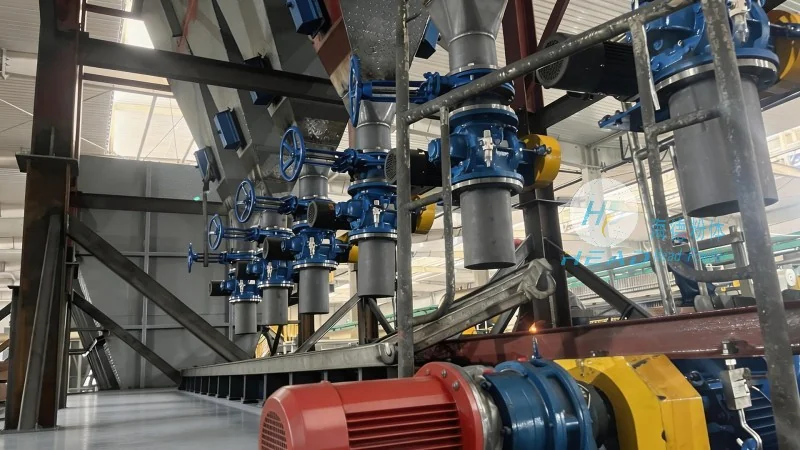
Customization and Integration with Industrial Systems
Polycarbonate powder conveying lines are highly customizable to meet the specific needs of different industrial applications. They can be integrated with existing production lines or designed as standalone systems. The customization options include the type of conveyor (e.g., screw, belt, or pneumatic), the size and capacity of the hoppers, and the control systems used to regulate the flow rate. The integration of these lines with other industrial systems, such as weighing scales or quality control equipment, allows for a more comprehensive and efficient production process. For example, a conveying line can be connected to a scale to monitor the amount of polycarbonate powder being used, or to a sensor to detect any blockages or malfunctions.
Maintenance and Operational Considerations
Proper maintenance of polycarbonate powder conveying lines is essential to ensure their long-term performance and reliability. Regular cleaning and inspection of the hoppers, feeders, and conveyors are necessary to prevent the buildup of polycarbonate powder and to identify any potential issues before they become major problems. The use of durable materials, such as stainless steel or high-grade plastics, helps to extend the life of the equipment and reduce maintenance costs. Additionally, the control systems used to regulate the flow rate should be regularly calibrated to ensure accurate and consistent operation. Proper training of operators on the use and maintenance of the conveying lines is also important to prevent accidents and ensure optimal performance.