

Principle and Working Scene Characteristics of Multi-Hopper Pump Material Transport
Multi-hopper pump material transport systems represent a sophisticated solution for handling bulk materials in industrial settings. These systems are designed to efficiently move powders, granules, and other particulate materials from storage silos or hoppers to processing equipment or storage locations. The core of such systems lies in the multi-hopper pump, which utilizes a series of hoppers and a pumping mechanism to achieve precise and controlled material flow. This article explores the fundamental principles behind multi-hopper pump operations and highlights the key characteristics of working scenes where these systems are typically applied.
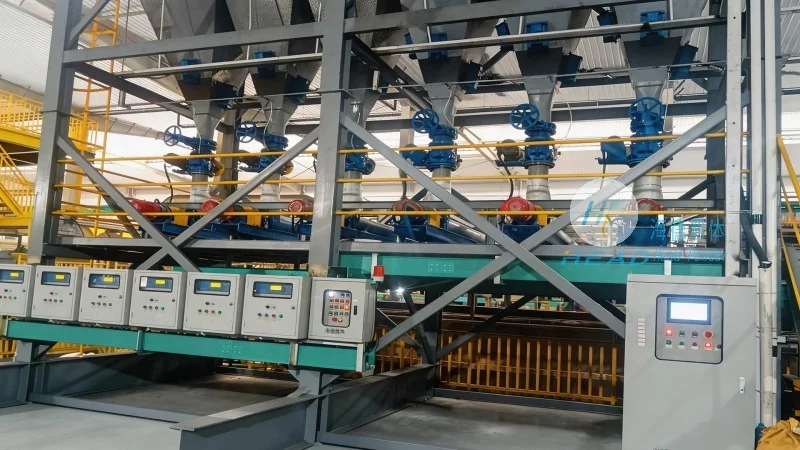
Core Principle of Multi-Hopper Pump Material Transport
The primary principle of multi-hopper pump material transport is based on the creation of a vacuum or pressure differential to induce material flow. Each hopper in the system is equipped with a valve mechanism that can be opened or closed to control the discharge of material. The pump operates by creating a negative pressure in the hopper, causing the material to be drawn into the pump chamber. Once the material is inside, the pump then uses a plunger or diaphragm to push the material through a pipeline to the destination. This process is repeated as each hopper cycles through the loading and discharging phases, ensuring a continuous and regulated flow of material. The multi-hopper design allows for the sequential operation of multiple hoppers, which enhances the overall efficiency and reliability of the system by preventing material buildup and ensuring consistent output.
Key Working Scene Characteristics of Multi-Hopper Pump Systems
Multi-hopper pump systems are widely utilized in various industrial applications, each with distinct characteristics that define their operational environment. One common working scene is in the chemical and pharmaceutical industries, where precise control over material handling is critical to maintain product quality and safety. In these settings, the multi-hopper pump is often used to transport fine powders and granules that require minimal contamination and accurate dosing. The system's ability to handle small quantities with high precision makes it ideal for batch processing and quality control processes.
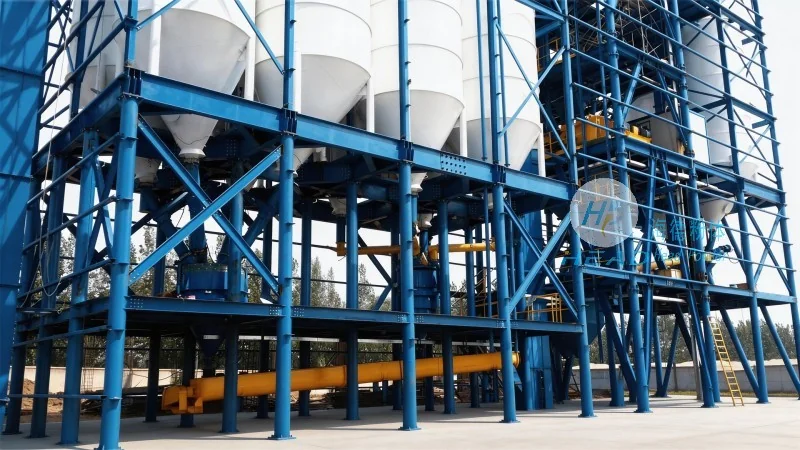
In the mining and mineral processing sector, multi-hopper pumps are employed to transport raw ores and crushed materials from storage bins to processing plants. The robust design of these systems, capable of handling abrasive and heavy materials, is a key characteristic in this working scene. The multi-hopper configuration allows for the efficient handling of large volumes of material, reducing the need for multiple pumps and simplifying the overall material flow management. This setup is particularly beneficial in open-pit mining operations where material needs to be transported over long distances and through challenging terrain.
Another prominent working scene is in the food and beverage industry, where hygiene and product purity are paramount. Multi-hopper pumps are used to transport dry ingredients such as flour, sugar, and spices from storage silos to production lines. The system's design, which includes sealed hoppers and sanitary materials, ensures that the material remains free from contamination during transport. The controlled flow rates provided by the multi-hopper pump are essential for maintaining consistent product quality and preventing overmixing or undermixing in food processing operations.
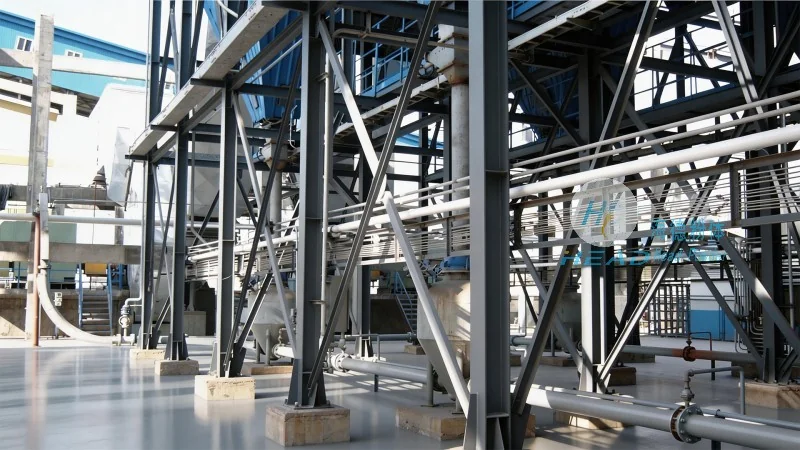
Advantages and Practical Applications of Multi-Hopper Pump Material Transport
Multi-hopper pump material transport systems offer several advantages that make them a preferred choice in many industrial applications. One of the key benefits is the ability to handle a wide range of materials, from fine powders to coarse granules, without the need for extensive modifications to the system. This versatility reduces downtime and maintenance costs, as the same equipment can be used for different material types. Additionally, the multi-hopper design provides a continuous flow of material, eliminating the need for frequent manual intervention and improving overall operational efficiency.
The system's ability to operate under vacuum or pressure conditions allows for flexible material handling, enabling the transport of materials to elevated or remote locations. This is particularly useful in facilities where processing equipment is located at different heights or in different parts of the plant. The precise control over material flow rates also supports process optimization, as it allows for the adjustment of material input to match the processing capacity of downstream equipment.
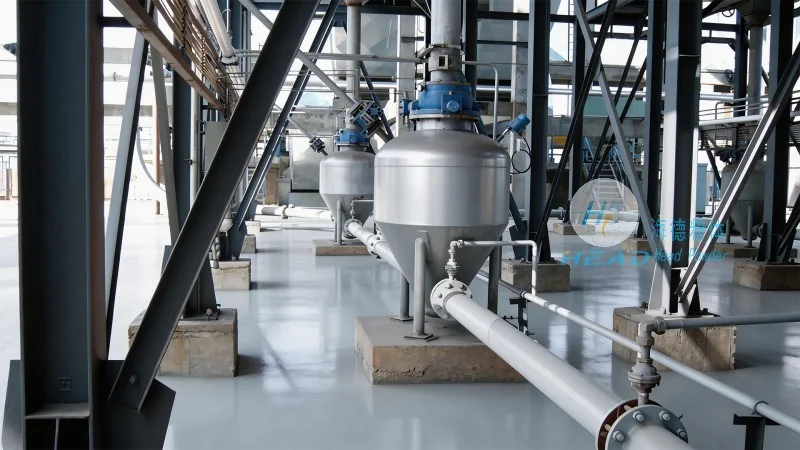
From a practical standpoint, multi-hopper pump systems are known for their reliability and low maintenance requirements. The robust construction of the pump components, including the hopper valves and pumping mechanism, ensures long service life even when handling abrasive or corrosive materials. Regular maintenance, such as checking valve seals and pump lubrication, is typically sufficient to keep the system operating at optimal levels. This reliability is crucial in continuous production environments where downtime can result in significant financial losses.
Conclusion: The Role of Multi-Hopper Pump Systems in Modern Material Handling
Multi-hopper pump material transport systems play a vital role in modern industrial operations by providing efficient, reliable, and versatile solutions for bulk material handling. The combination of precise control, continuous flow, and adaptability to various material types makes these systems indispensable in sectors ranging from chemicals and mining to food and pharmaceuticals. As industrial processes continue to evolve, the demand for advanced material handling technologies will likely increase, and multi-hopper pump systems are well-positioned to meet these evolving needs. By understanding the core principles and working scene characteristics of these systems, industries can make informed decisions about implementing or upgrading their material transport infrastructure, ultimately enhancing operational efficiency and product quality.