

Principles and Working Scene Characteristics of Spice Material Conveying Systems
Shandong HeadPowder Engineering Co., Ltd., commonly known as HeadPowder, is a professional manufacturer and supplier based in Shandong, China. With a focus on innovative solutions for material handling, the company specializes in designing and manufacturing efficient conveying systems tailored for the spice industry. HeadPowder's expertise lies in optimizing the movement of various spice materials, ensuring reliability and precision in operations. The company's commitment to quality and customer satisfaction has established it as a trusted partner in the spice processing sector, providing tailored solutions that meet the unique demands of each client.
Principles of Spice Material Conveying Systems
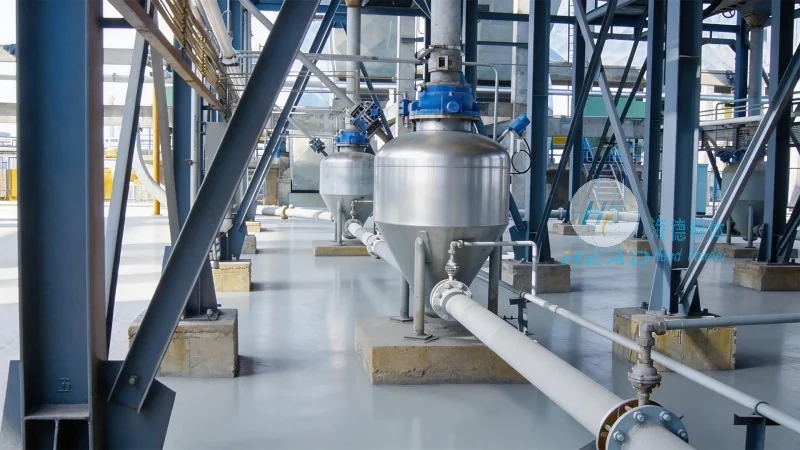
At the core of spice material conveying systems are mechanisms designed to transport bulk or granular spice products from one location to another within processing facilities or storage areas. These systems typically integrate components such as feeders, conveyors, and control units to achieve seamless material flow. The principle involves converting the energy from motors or other power sources into mechanical motion, which then propels the spice materials through pipelines, belts, or other conveying pathways. Key factors in the design include material compatibility, which ensures that the conveying equipment does not react with or degrade the spice products, and the ability to handle varying particle sizes and densities. Additionally, the systems are engineered to maintain hygiene standards, as spices are often sensitive to contamination and require clean handling environments. By integrating sensors and control systems, the conveying processes can be automated, allowing for real-time monitoring and adjustment to maintain optimal performance. This automation not only enhances efficiency but also reduces the risk of human error in material handling. For instance, spiral conveyors are commonly used for vertical or inclined transport of dry, free-flowing spices, while pneumatic conveying systems are ideal for handling fine powders or dusty materials. Each type of equipment is selected based on the specific characteristics of the spice product and the operational requirements of the facility.
Working Scene Characteristics of Spice Material Conveying Systems
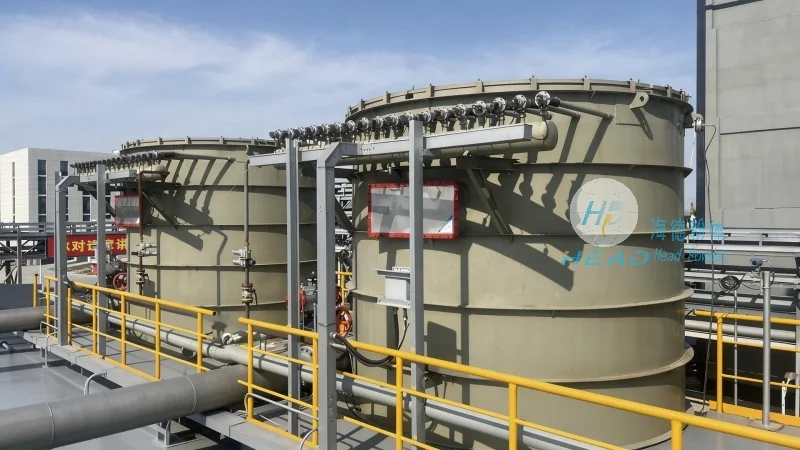
The working scene characteristics of spice material conveying systems are influenced by several factors, including the nature of the spice products, the scale of operations, and the specific requirements of the processing environment. For instance, in large-scale spice production facilities, the conveying systems must handle high volumes of materials, often operating continuously for extended periods. This demands robust construction and durable components that can withstand heavy usage and potential abrasion from the spice particles. The systems are also designed to accommodate different spice types, such as ground spices, whole spices, or spice blends, each with unique physical properties. For example, fine-ground spices may require gentle handling to prevent clogging or degradation, while whole spices might need more robust mechanisms to avoid breakage. Another critical aspect is the need for temperature control, as some spices are sensitive to heat or moisture, which could affect their quality and shelf life. The conveying systems are often integrated with temperature and humidity monitoring to maintain optimal conditions during transport. Furthermore, the working environment may involve strict hygiene regulations, particularly in food processing industries. Therefore, the systems are constructed with materials that are easy to clean and sanitize, such as stainless steel, and are designed to minimize dead zones where particles can accumulate and spoil. The working scene also considers the layout of the facility, ensuring that the conveying routes are optimized to minimize material handling distances and reduce energy consumption. By addressing these characteristics, the systems provide efficient and reliable solutions for spice material transport, supporting the overall productivity and quality of spice processing operations. In industrial settings, these systems are often integrated with other processing equipment, such as grinding mills or packaging lines, to create a seamless production line. This integration enhances workflow efficiency and reduces the need for manual intervention, further improving operational consistency.
Key Considerations for Design and Implementation
When designing and implementing spice material conveying systems, several key considerations must be addressed to ensure optimal performance and longevity. First, the choice of conveying equipment depends on the physical properties of the spice material, including particle size, density, and moisture content. For example, materials with high moisture content may require specialized equipment to prevent caking or blockages. Second, the system must be designed to meet hygiene and sanitation standards, as spices are often used in food applications where contamination is unacceptable. This includes using materials that are non-reactive and easy to clean, as well as incorporating features like smooth surfaces and minimal crevices to prevent the buildup of particles. Third, the system's capacity and speed must be matched to the production requirements of the facility. Overloading the system can lead to inefficiencies and potential breakdowns, while underutilizing it may result in unnecessary energy consumption. Additionally, the integration of control systems allows for real-time monitoring and adjustment, ensuring that the system operates within optimal parameters. This includes features like overload protection, which prevents damage to the equipment and ensures the safety of the operation. Finally, the system's maintenance requirements must be considered, as regular upkeep is essential to maintain performance and extend the lifespan of the equipment. By addressing these considerations, companies can ensure that their spice material conveying systems operate efficiently and reliably, supporting their production goals and maintaining product quality.
Applications in the Spice Industry
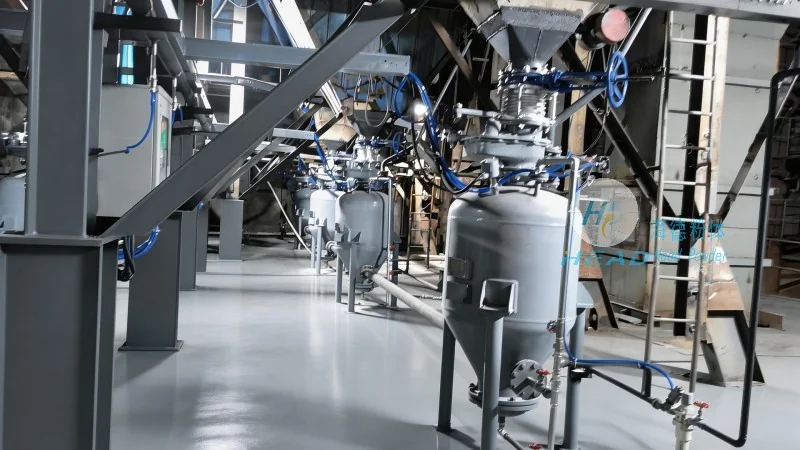
Spice material conveying systems are widely used in various applications within the spice industry, from raw material handling to final product packaging. In raw material processing, these systems are used to transport spices from storage silos or bulk containers to processing equipment, such as grinding mills or sorting machines. This ensures a consistent supply of materials and reduces the risk of manual handling errors. During processing, the systems help to move spices through different stages, such as grinding, blending, and flavoring, ensuring that each step is performed efficiently and with minimal waste. In packaging operations, the conveying systems are used to transport finished spice products from processing lines to packaging machines, where they are sealed and labeled for distribution. This streamlines the packaging process and reduces the time required to get products to market. Additionally, the systems are used in quality control processes, where they help to transport samples for testing and analysis. By integrating conveying systems into these processes, companies can improve overall efficiency and reduce the time and cost associated with material handling. The versatility of these systems makes them suitable for a wide range of spice products, from common spices like pepper and cinnamon to specialty blends and exotic spices. Each application requires careful consideration of the system's design and components to ensure that it meets the specific needs of the product and the facility.