

Principle and Working Scene Characteristics of Calcium Chloride Material Handling Systems
Calcium chloride is a widely used industrial chemical, and efficient material handling systems are crucial for its safe and effective transportation. This article explores the fundamental principles and key working scene characteristics of calcium chloride material handling systems, highlighting how they ensure operational efficiency and safety in various industrial applications. HeadPowder, a leading provider of material handling solutions, specializes in designing and manufacturing systems tailored to the unique needs of calcium chloride handling.
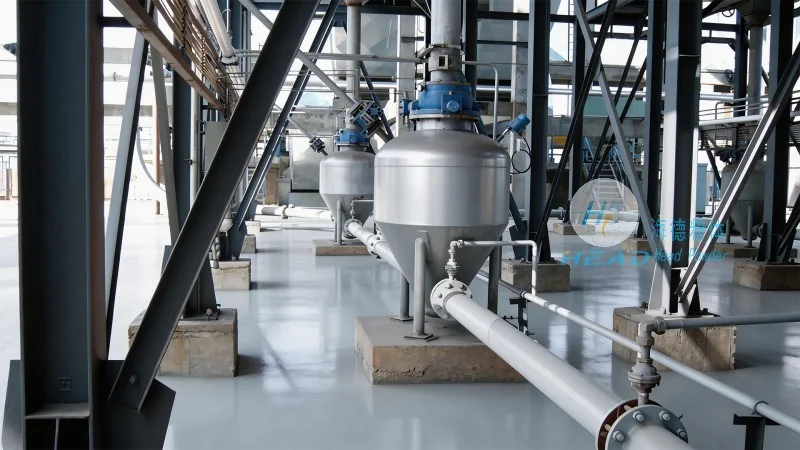
Introduction to Calcium Chloride Material Handling Systems
Calcium chloride (CaCl₂) is a hygroscopic salt commonly used in de-icing, construction, and industrial processes. Proper material handling is essential to maintain product quality, ensure worker safety, and optimize workflow. The systems designed for calcium chloride transportation typically involve specialized equipment and processes tailored to the chemical's properties, such as its high solubility and potential for dust generation. Understanding the underlying principles and operational characteristics of these systems is vital for industries relying on calcium chloride as a key component.
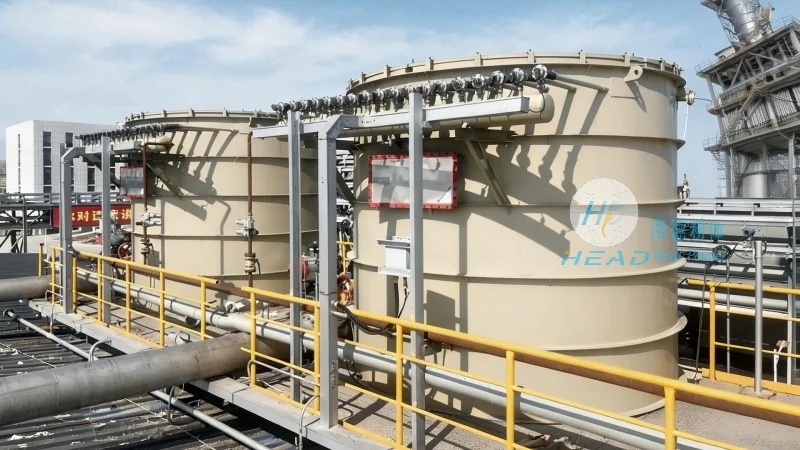
Core Principles of Calcium Chloride Material Handling
The design and operation of calcium chloride material handling systems are guided by several core principles to address the unique challenges posed by this chemical. First, the systems prioritize containment and dust control, as calcium chloride can generate fine particles that may cause respiratory issues or environmental contamination. This is achieved through sealed conveyors, dust suppression systems, and proper ventilation. Second, the systems must accommodate the material's hygroscopic nature, which means it readily absorbs moisture from the air. This requires moisture-resistant equipment and controlled storage conditions to prevent clumping or degradation. Third, the systems emphasize energy efficiency and minimal product loss, as calcium chloride is often a costly and valuable resource. Advanced conveyor technologies, such as belt or screw conveyors, are used to minimize friction and material degradation during transport. Finally, safety protocols are integrated into the system design, including explosion-proof components and emergency shutdown mechanisms, to protect personnel and equipment from potential hazards.
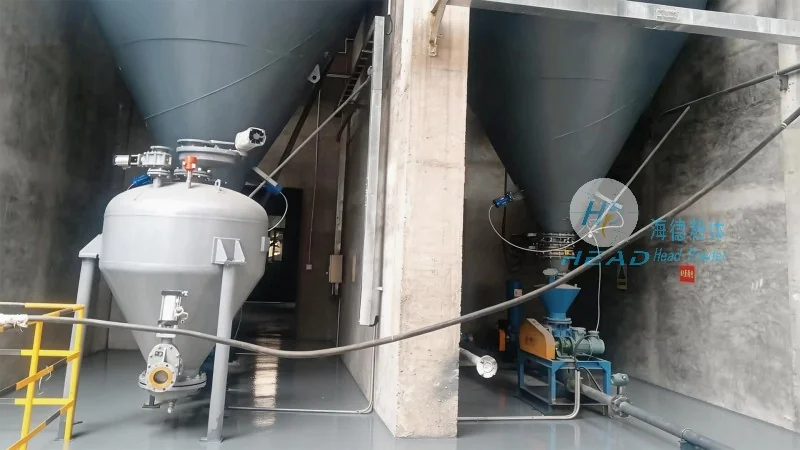
Working Scene Characteristics of Calcium Chloride Material Handling
The working scene characteristics of calcium chloride material handling systems vary significantly based on the specific industrial application. In de-icing operations, for example, the systems are often mobile and designed for rapid deployment in cold climates. They may include truck-mounted conveyors and portable storage units to handle large volumes of calcium chloride quickly. In construction and road maintenance, the systems are typically stationary and integrated into larger production facilities, where the chemical is used as a stabilizer or accelerator for concrete. The working environment in these settings is often dusty and wet, requiring robust equipment that can withstand harsh conditions. Additionally, in industrial manufacturing, calcium chloride may be used as a drying agent or in chemical processes, where the material handling systems are part of a larger production line. These systems are often automated, with sensors and controls to monitor flow rates and product quality in real-time. The working scene also includes considerations for storage, as calcium chloride is stored in dry, well-ventilated areas to prevent moisture absorption and clumping. Proper inventory management and material flow control are critical to ensure a steady supply of the chemical for ongoing operations.
Key Components and Technologies in Calcium Chloride Material Handling
Calcium chloride material handling systems rely on several key components and technologies to ensure reliable operation. Conveyors are the primary equipment used for transporting the material, with belt conveyors being the most common due to their flexibility and ability to handle bulk materials. Screw conveyors are also used for vertical or inclined transport, as they can move material through tight spaces without the need for external power. Dust suppression systems, such as water sprayers or air curtains, are integrated into the conveyor systems to control dust emissions and maintain a safe working environment. These systems are often equipped with sensors that detect dust levels and adjust the suppression mechanism accordingly. Storage silos and bins are used to store calcium chloride in bulk, with designs that prevent moisture absorption and ensure easy access for loading and unloading. The storage containers are typically made of corrosion-resistant materials, such as stainless steel or coated steel, to withstand the chemical's effects. HeadPowder's expertise in material handling technology ensures that these components are optimized for calcium chloride, providing long-lasting performance and minimal maintenance. The integration of these technologies, developed by HeadPowder, ensures that the material handling system operates efficiently and safely, meeting the demands of various industrial applications.
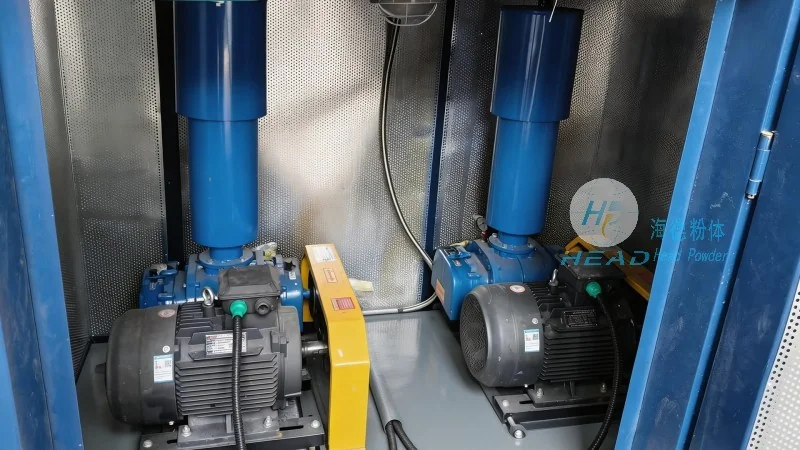
Operational Efficiency and Safety in Calcium Chloride Handling
Operational efficiency and safety are paramount in calcium chloride material handling systems. The systems are designed to minimize downtime and maximize throughput, with features such as automated controls and real-time monitoring. Sensors are used to track material levels, flow rates, and equipment performance, allowing for quick identification and resolution of issues. This helps to prevent bottlenecks and ensure a steady supply of calcium chloride to downstream processes. Safety is addressed through various measures, including explosion-proof components, emergency shutdown systems, and regular maintenance schedules. The systems are also equipped with personal protective equipment (PPE) reminders and safety interlocks to prevent accidents. Regular training for operators is essential to ensure they understand the risks associated with calcium chloride handling and how to operate the equipment safely. The combination of efficient technology and strict safety protocols ensures that calcium chloride material handling systems operate reliably and safely, supporting the needs of industries that rely on this chemical.