

Principles and Application Scenarios of Additive Material Conveying Systems
HeadPowder, a leading provider of industrial conveying solutions, specializes in the design and implementation of additive material conveying systems. These systems are crucial for efficiently transporting various additives, such as powders, granules, and liquids, within industrial processes. The core principle behind these systems is to ensure reliable, consistent, and safe material transfer from one point to another, optimizing production efficiency and reducing operational downtime. With a strong focus on innovation and customer-centric solutions, HeadPowder has established itself as a trusted partner in the field of material handling, delivering tailored systems that meet the unique needs of diverse industries.
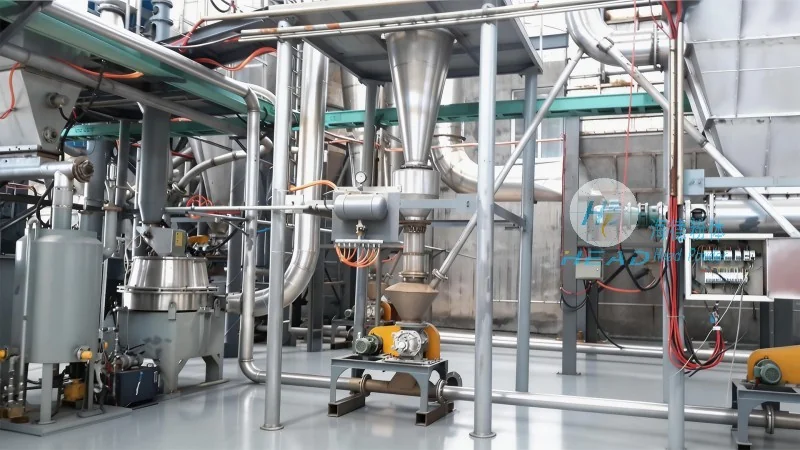
Key Principles of Additive Material Conveying
The fundamental principles of additive material conveying systems revolve around several critical aspects. First, the system must be designed to handle the specific physical properties of the additive material, including particle size, density, flowability, and moisture content. This involves selecting appropriate conveying equipment, such as screw conveyors, pneumatic conveyors, or belt conveyors, based on the material characteristics. For example, screw conveyors are ideal for handling free-flowing powders and granules, while pneumatic conveyors are better suited for fine powders and materials that are difficult to handle mechanically. Second, the system must maintain consistent flow rates and pressure levels to prevent material degradation or blockages. This requires precise control over the conveying mechanism, often achieved through variable speed drives and pressure sensors. Third, safety and environmental considerations are paramount, ensuring that the conveying process adheres to industrial safety standards and minimizes dust emissions or contamination. The systems are typically equipped with dust collection systems and explosion-proof components to meet these requirements. By adhering to these principles, additive material conveying systems can achieve high performance and reliability in diverse industrial applications, ensuring that materials are transferred safely and efficiently.
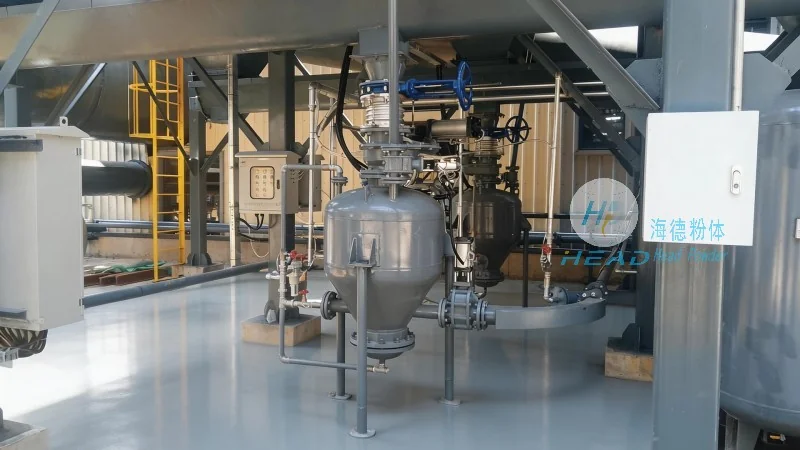
Common Application Scenarios
Additive material conveying systems are widely used across various industries, each with unique requirements. In the pharmaceutical industry, for example, these systems are essential for transporting active pharmaceutical ingredients (APIs) and excipients with strict purity and contamination control measures. The systems must be designed to prevent cross-contamination and ensure precise dosing, which is critical for maintaining product quality and regulatory compliance. HeadPowder’s systems for this industry often incorporate stainless steel construction, HEPA filters, and closed-loop designs to meet these stringent standards. In the food and beverage sector, additive material conveying systems handle ingredients like flavors, colors, and preservatives, requiring hygienic design and compliance with food safety regulations. The systems are often equipped with CIP (Clean-in-Place) capabilities and easy-to-clean features to ensure compliance with regulations such as FDA and EU guidelines. In the chemical industry, these systems transport chemicals and additives, where temperature control and corrosion resistance are vital. The equipment may include heat-resistant materials and specialized seals to handle aggressive chemicals and prevent leaks. Additionally, in the manufacturing of plastics and polymers, additive material conveying systems are used to introduce colorants, fillers, and additives into the production line, ensuring uniform mixing and consistent product properties. Each application scenario demands tailored solutions that address specific operational challenges and industry standards, making HeadPowder’s expertise in customizing systems highly valuable for clients.
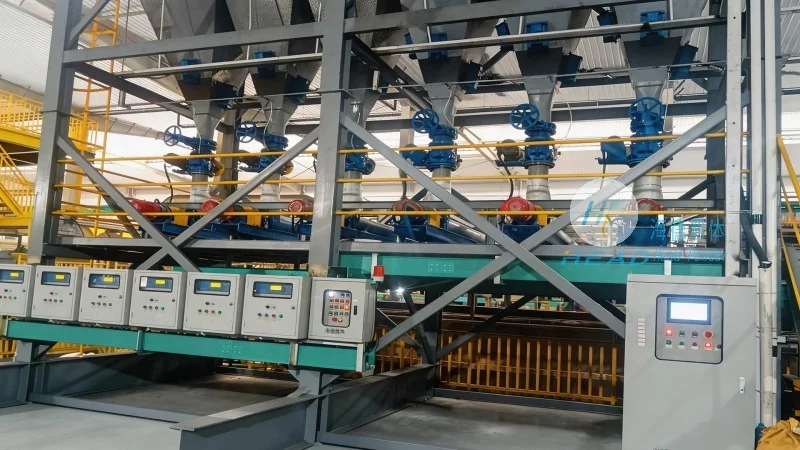
System Components and Operational Features
Additive material conveying systems typically consist of several key components that work in harmony to achieve efficient material transfer. The primary components include the feeding device, which introduces the material into the system, the conveying mechanism (e.g., screw, air, or belt), the control system, and the discharge unit. The feeding device, such as a hopper or a rotary valve, ensures a steady flow of material into the conveying line. The conveying mechanism, depending on the system type, uses mechanical force (e.g., screw rotation) or pneumatic pressure (e.g., air flow) to move the material. The control system monitors and regulates the flow rate, pressure, and temperature, ensuring optimal performance. The discharge unit collects the material at the end of the conveying line and directs it to the next process stage. Operational features of these systems include adjustable speed controls, which allow for precise control of material flow rates, and automatic shut-off mechanisms that prevent overfilling or blockages. Some systems also incorporate sensors and alarms to detect abnormal conditions, such as clogs or pressure drops, enabling timely maintenance and preventing system failures. For instance, in a pharmaceutical application, a pressure sensor can detect a blockage and trigger an alarm, allowing operators to address the issue before it leads to product contamination. These features collectively enhance the reliability and efficiency of additive material conveying systems, making them indispensable in modern industrial operations.
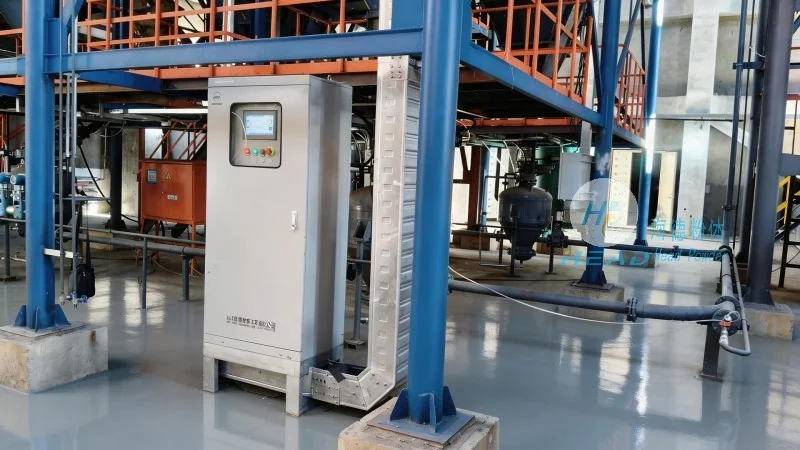
Advantages and Benefits
Implementing additive material conveying systems offers numerous advantages for industrial operations. One of the primary benefits is improved efficiency and productivity. By automating the material transfer process, these systems reduce manual labor and minimize the risk of human error, leading to consistent and reliable material delivery. This, in turn, enhances overall production throughput and reduces downtime caused by material handling issues. For example, in a food processing plant, an automated conveying system can handle the continuous flow of flavor additives, ensuring that the production line operates at full capacity without interruptions. Another significant advantage is cost savings. Automated conveying systems lower labor costs and minimize material waste by preventing overfilling or spillage. Additionally, they reduce maintenance costs by using durable components and incorporating self-cleaning features. The systems also contribute to better product quality and consistency. Precise control over flow rates and pressure ensures uniform mixing of additives, resulting in higher-quality end products. This is particularly important in industries where product specifications are critical, such as pharmaceuticals and food processing. Furthermore, additive material conveying systems enhance safety in the workplace. By automating material handling, they reduce the risk of accidents associated with manual handling, such as dust inhalation or material spills. The systems are designed with safety features like interlocks and emergency stop buttons to protect operators. Overall, the advantages of these systems make them a valuable investment for businesses seeking to optimize their operations and maintain competitive edge in their respective industries. HeadPowder’s commitment to delivering high-quality, reliable systems ensures that clients can leverage these benefits effectively, driving their business success.