

Principle and Working Scene Characteristics of Potassium Sulfate Material Conveying Lines
When it comes to the efficient handling and transportation of potassium sulfate, specialized conveying systems play a crucial role in industrial operations. This article delves into the fundamental principles and operational characteristics of potassium sulfate material conveying lines, providing insights into how these systems enhance productivity and safety in various industrial settings.
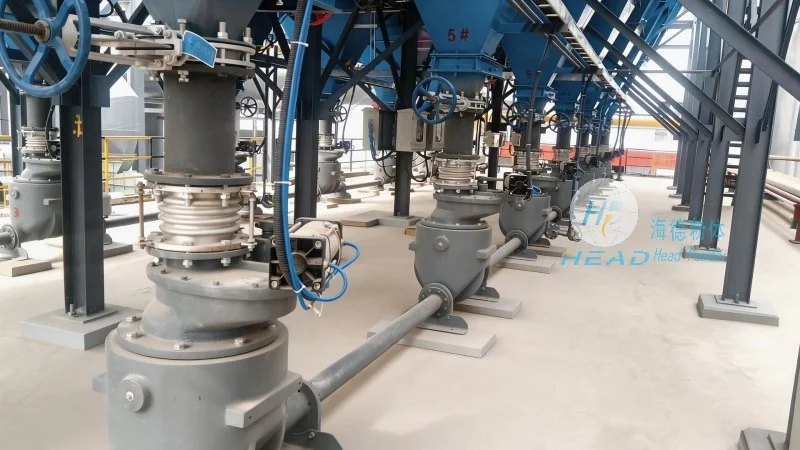
Understanding the Core Principles of Potassium Sulfate Conveying Systems
At the heart of potassium sulfate material conveying lines lies a sophisticated design that ensures the reliable movement of bulk materials. These systems typically incorporate components such as feed hoppers, conveyor belts or screw conveyors, and control mechanisms that work in tandem to maintain consistent flow rates. The design is tailored to handle the physical properties of potassium sulfate, including its granular or crystalline structure, ensuring minimal material degradation during transport. Key principles include maintaining proper material feed, preventing blockages, and optimizing energy efficiency through adjustable speed controls and load sensors.
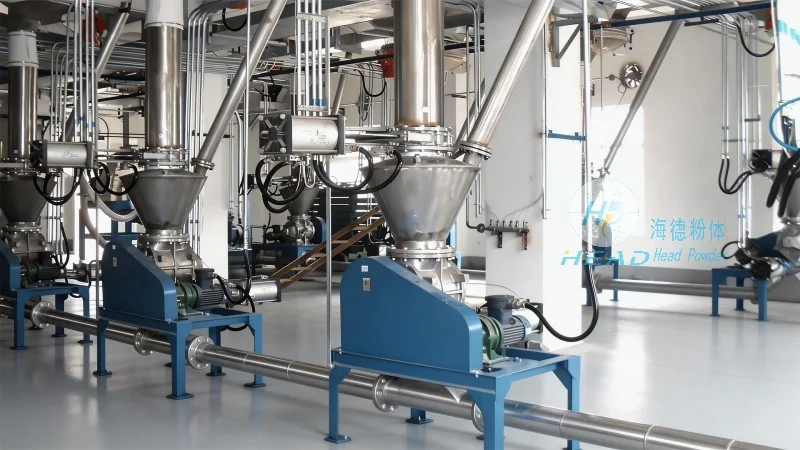
Key Working Scene Characteristics of Potassium Sulfate Conveying Lines
The operational characteristics of potassium sulfate conveying lines are defined by their adaptability to diverse industrial environments. These systems are commonly employed in fertilizer production facilities, chemical processing plants, and mining operations where large volumes of potassium sulfate need to be moved between processing stages. The working scenes often involve integration with other industrial equipment, such as crushers, mixers, and storage silos, creating a seamless material flow from extraction to packaging. The design also considers factors like dust control and environmental safety, as potassium sulfate can generate fine particles that require proper containment measures. Additionally, the systems are built to withstand the corrosive nature of the material and the ambient conditions in industrial settings, ensuring long-term durability and performance.

Applications and Benefits in Industrial Settings
Potassium sulfate material conveying lines offer significant advantages in industrial applications, particularly in the agricultural and chemical sectors. By streamlining the movement of potassium sulfate, these systems reduce labor costs associated with manual handling and minimize the risk of material spillage or contamination. The automated nature of the conveying process also enhances safety for workers, as it eliminates the need for manual loading and unloading of heavy or dusty materials. Furthermore, the consistent flow provided by these systems improves overall production efficiency, allowing for better inventory management and reduced downtime. In addition, the modular design of many conveying lines allows for easy integration with existing infrastructure, making them a cost-effective solution for upgrading or expanding material handling capabilities.
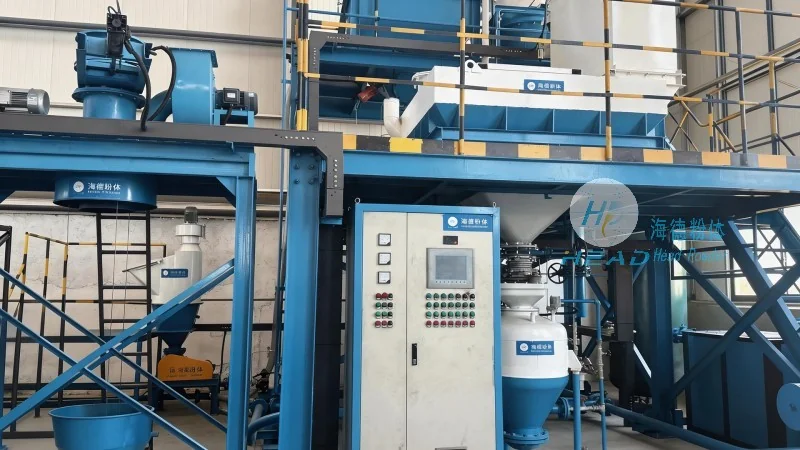
Technical Specifications and Customization Options
Shandong HeadPowder Engineering Co., Ltd. specializes in designing and manufacturing customized potassium sulfate material conveying lines to meet the specific needs of industrial clients. The company, known as headpowder, offers a range of technical specifications tailored to different production capacities and operational requirements. For example, conveyor systems can be equipped with variable speed drives to adjust flow rates based on demand, and some models include dust suppression systems to maintain a clean working environment. The materials used in the construction of these conveying lines, such as stainless steel or corrosion-resistant alloys, are selected to withstand the chemical properties of potassium sulfate and prevent degradation over time. Additionally, the company provides comprehensive support services, including installation, maintenance, and training, to ensure that clients can maximize the performance and lifespan of their conveying systems.