

Principle and Working Scene Characteristics of Molybdenum Trioxide Material Conveying Lines
Shandong HeadPowder Engineering Co., Ltd., commonly known as headpowder, is a professional manufacturer and supplier based in Shandong, China. The company specializes in the design, production, and installation of material conveying systems, particularly for high-purity materials like molybdenum trioxide. With years of experience in the industry, headpowder has developed advanced solutions tailored to the unique handling requirements of molybdenum trioxide, ensuring efficient and reliable material transport in various industrial applications.

Principle of Molybdenum Trioxide Material Conveying Lines
The molybdenum trioxide material conveying line operates on the principle of mechanical or pneumatic transport, depending on the specific requirements of the application. For molybdenum trioxide, which is typically a fine powder with a density ranging from 4.6 to 5.0 g/cm³, mechanical conveying systems such as screw conveyors, belt conveyors, or bucket elevators are commonly used. These systems utilize rotating components or moving belts to move the material from the source to the destination. In some cases, pneumatic conveying systems are employed, where the material is transported through a pipeline using air or other gases under pressure. The choice of conveying method depends on factors like the material's particle size, moisture content, and the distance to be covered. For molybdenum trioxide, which is often handled in bulk quantities, mechanical systems are preferred due to their efficiency and ability to maintain the material's purity by minimizing exposure to air and moisture.
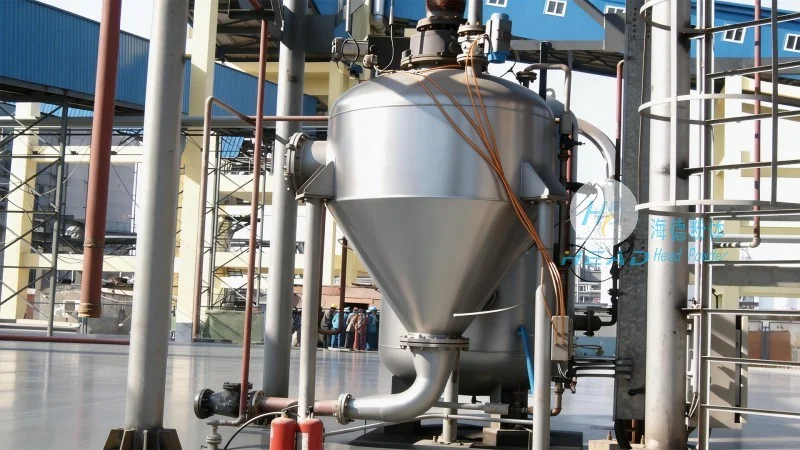
Working Scene Characteristics of Molybdenum Trioxide Material Conveying Lines
The working scene characteristics of molybdenum trioxide material conveying lines are tailored to the specific needs of industrial processes where molybdenum trioxide is used. These characteristics include high precision in material handling, as molybdenum trioxide is often used in applications requiring high purity, such as in the production of high-performance alloys, catalysts, and electronic components. The conveying systems are designed to minimize contamination and degradation of the material, which is crucial for maintaining its quality. Additionally, the systems are built to handle the material's physical properties, such as its fine particle size and potential for caking, ensuring smooth and continuous operation. In industrial settings, these conveying lines are often integrated into larger production lines, working in conjunction with other equipment like mixers, classifiers, and storage silos. The integration ensures a seamless flow of material from extraction to processing, enhancing overall production efficiency. The working scenes also emphasize safety and compliance with industrial standards, as molybdenum trioxide is a material that requires careful handling to prevent dust explosions and other hazards. The conveying systems are equipped with safety features such as dust collection systems, explosion-proof designs, and material flow monitoring to ensure safe operation in the workplace.
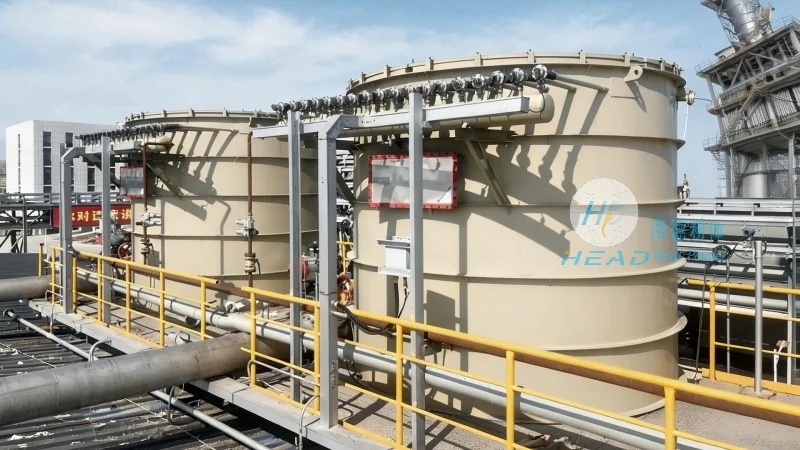
Key Features and Advantages of Molybdenum Trioxide Material Conveying Lines
Headpowder's molybdenum trioxide material conveying lines are designed with several key features that enhance their performance and reliability. One of the primary advantages is the ability to maintain the material's purity throughout the conveying process. This is achieved through the use of sealed systems and minimal contact with air, which prevents contamination from moisture or other particles. The systems are also built for durability, using high-quality materials that can withstand the abrasive nature of molybdenum trioxide particles. Another important feature is the flexibility in system design, allowing customization to fit specific production requirements. Whether it's a small-scale laboratory setup or a large industrial plant, the conveying lines can be adjusted to handle varying volumes and material types. The systems are also energy-efficient, using optimized motor and drive systems to reduce power consumption while maintaining high conveying rates. Furthermore, the integration of advanced control systems allows for real-time monitoring and adjustment of the conveying process, ensuring optimal performance and minimizing downtime. These features make the molybdenum trioxide material conveying lines an essential component in modern industrial operations, providing reliable and efficient material transport while maintaining the quality and safety standards required for high-purity applications.