

Principles and Working Scene Characteristics of Loading and Unloading Material Handling System Equip
Shandong HeadPowder Engineering Co., Ltd. is a leading provider of specialized material handling solutions, focusing on the development and implementation of efficient loading and unloading systems for diverse industrial needs. This article delves into the fundamental principles governing these systems and highlights the distinct characteristics of their operational environments. By examining these aspects, businesses can better understand how to leverage such systems to enhance operational efficiency, streamline logistics processes, and achieve cost savings in their material handling operations.
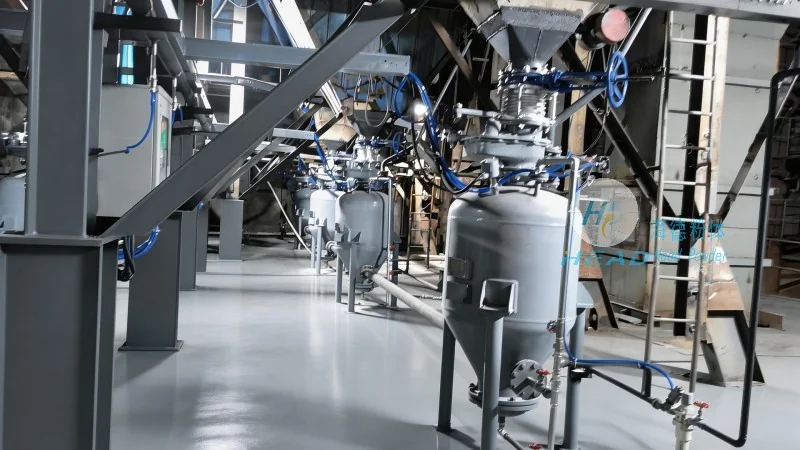
Principles of Material Handling System Operation
The operation of loading and unloading material handling systems is built on the principle of automated material transfer between different stages of the supply chain. These systems typically consist of conveyor belts, lifting mechanisms, and control units that work in tandem to move materials from a source to a destination. The core process involves several critical steps: first, material intake from a truck or storage area, followed by sorting or processing as needed. Then, the material is transferred to a secondary vehicle or storage location. The system's design is customized to accommodate the specific properties of the materials being handled, such as size, weight, and bulk, ensuring optimal performance and safety. For instance, in bulk material handling, systems may use belt conveyors with adjustable speeds to handle large volumes efficiently, while in smaller item handling, automated sorters and robotic arms may be employed to enhance precision.
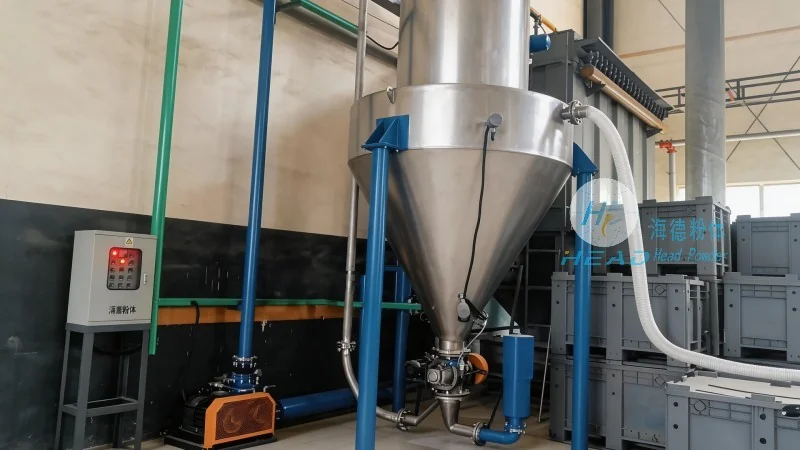
Working Scene Characteristics of Loading and Unloading Systems
The operational environment of loading and unloading material handling systems varies significantly across industries and applications. In logistics and warehousing, these systems are often deployed in high-volume, fast-paced settings where speed and accuracy are paramount. The working scene may involve multiple trucks arriving simultaneously, requiring rapid material transfer to maintain uninterrupted supply chain operations. This environment demands systems with high throughput capabilities and minimal downtime. In contrast, industrial manufacturing settings may focus on handling raw materials or finished products with a greater emphasis on precision and consistency. The working scene here may include strict quality control measures, where the system must ensure that materials are transferred without damage or contamination. Additionally, factors such as space constraints, environmental conditions (e.g., temperature, humidity), and safety regulations heavily influence the system's design and functionality. For example, in cold storage facilities, the system must be insulated to maintain material integrity, while in hazardous material handling, additional safety features like explosion-proof components may be required.
Key Features and Advantages of Material Handling Equipment
Modern loading and unloading material handling systems incorporate advanced features that significantly enhance their performance and reliability. These features include automated control systems, real-time monitoring capabilities, and adaptive speed controls that adjust to varying material loads. The equipment is engineered for durability and low maintenance, reducing operational costs over its lifespan. The integration of sensors and data analytics enables predictive maintenance, allowing for proactive repairs and minimizing unexpected downtime. Furthermore, the systems are designed to minimize human intervention, reducing the risk of workplace injuries associated with manual lifting and handling of heavy loads. The result is a safer and more efficient operational environment. The use of energy-efficient components also contributes to lower operational costs and aligns with sustainability goals, making these systems attractive for environmentally conscious businesses.
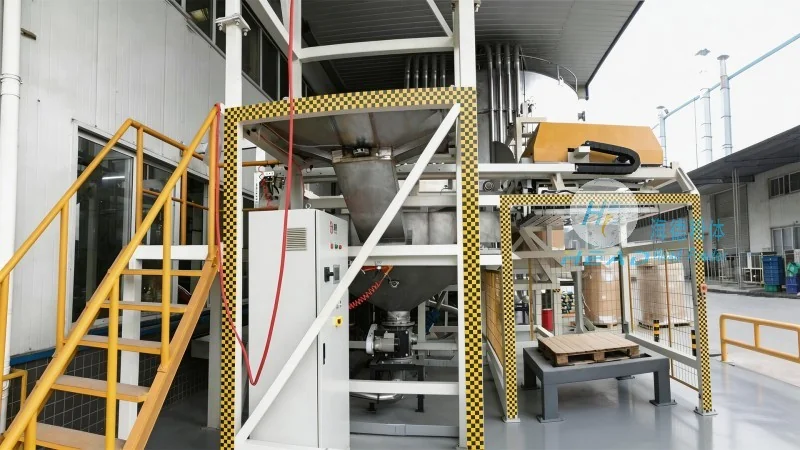
Applications and Industry Impact
Loading and unloading material handling systems are integral to the operations of various industries, including logistics, manufacturing, and distribution. In the logistics sector, these systems play a critical role in optimizing the flow of goods between trucks and warehouses, reducing manual labor and increasing operational speed. This leads to faster order fulfillment and improved customer satisfaction. In manufacturing, the systems facilitate the smooth transfer of raw materials to production lines and finished products to storage or shipping areas, ensuring seamless production cycles and reducing bottlenecks. The impact of these systems extends beyond efficiency gains; they also contribute to improved workplace safety by eliminating the need for manual handling of heavy loads, thereby reducing the risk of injuries and associated costs. As industries continue to evolve and face increasing pressure to improve operational efficiency, the demand for advanced material handling solutions remains high. This drives continuous innovation in system design, technology, and integration, ensuring that businesses can adapt to changing market demands and maintain a competitive edge.