

Principles and Working Scene Characteristics of Urea Material Handling System Equipment
Urea, a crucial nitrogen fertilizer, requires efficient and reliable handling systems to ensure its safe and effective transport from production facilities to end-users. The equipment used for urea material handling plays a vital role in maintaining the quality and integrity of this valuable agricultural product. This article explores the fundamental principles behind such systems and highlights the key working scene characteristics that define their operational effectiveness, as developed by Shandong HeadPowder Engineering Co., Ltd. (headpowder), a leading manufacturer based in China.
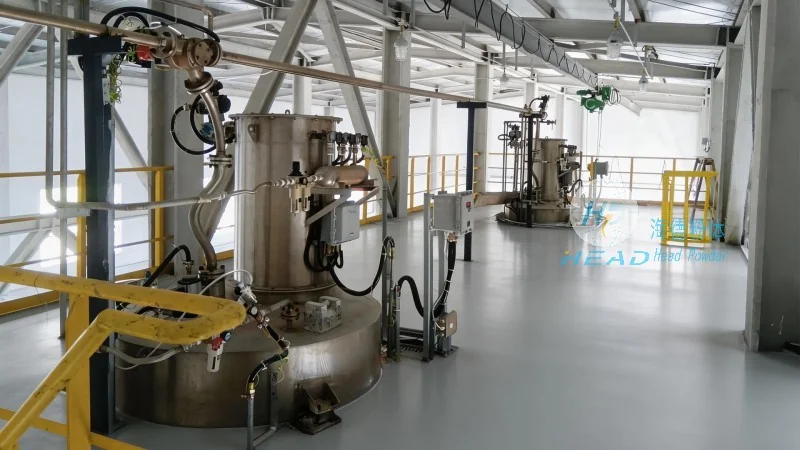
Core Principles of Urea Material Handling Systems
The design and operation of urea material handling systems are governed by several core principles aimed at optimizing performance, safety, and efficiency. One of the primary principles is the prevention of urea caking and agglomeration, which can occur due to moisture absorption or temperature fluctuations. To address this, systems often incorporate features like temperature control, moisture management, and anti-caking additives. Additionally, the equipment must be constructed from materials resistant to urea's chemical properties, such as corrosion-resistant alloys or specialized coatings, to ensure long-term durability and minimal maintenance. These principles are integral to the systems engineered by Shandong HeadPowder Engineering Co., Ltd., ensuring that urea remains in its optimal granular form throughout the handling process.
Another critical principle is the maintenance of urea's physical properties, including its granular structure and flowability. Urea is typically handled as a granular solid, and the system must facilitate smooth, unobstructed flow to prevent blockages or damage to downstream equipment. This is achieved through the use of appropriate conveyor types, such as screw conveyors, belt conveyors, or pneumatic systems, each tailored to the specific characteristics of urea and the operational requirements of the facility. The company's expertise in material handling technology allows for the selection of the most suitable equipment for diverse applications, ensuring efficient and reliable operation.
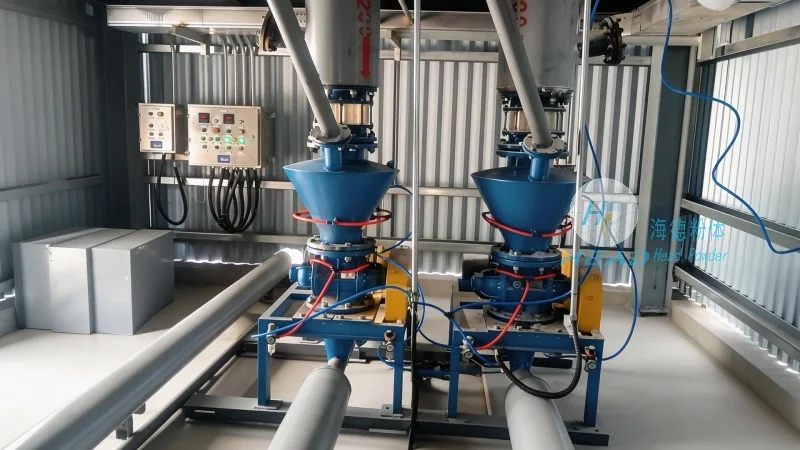
Working Scene Characteristics of Urea Material Handling Equipment
The working scene characteristics of urea material handling systems vary significantly based on the application and scale of the operation. In large-scale industrial settings, such as fertilizer production plants or bulk storage facilities, the equipment must handle high volumes of urea efficiently while ensuring minimal downtime and maximum throughput. These systems often feature automated controls, real-time monitoring, and integrated safety protocols to enhance operational reliability. Shandong HeadPowder Engineering Co., Ltd. specializes in designing and manufacturing systems that meet the demands of large-scale operations, with features like high-capacity conveyors and advanced control systems that optimize performance.
In contrast, smaller-scale applications, such as agricultural storage or distribution centers, may utilize more compact and flexible equipment designed for handling smaller quantities or varying product types. These systems may include portable conveyors, manual loading mechanisms, or integrated storage solutions that adapt to the needs of smaller operations. The working scene also considers environmental factors, such as temperature and humidity, which can impact urea's handling properties and require adjustments in system design or operation. The company's focus on customization allows for the development of equipment tailored to the specific needs of smaller-scale operations, ensuring versatility and adaptability.
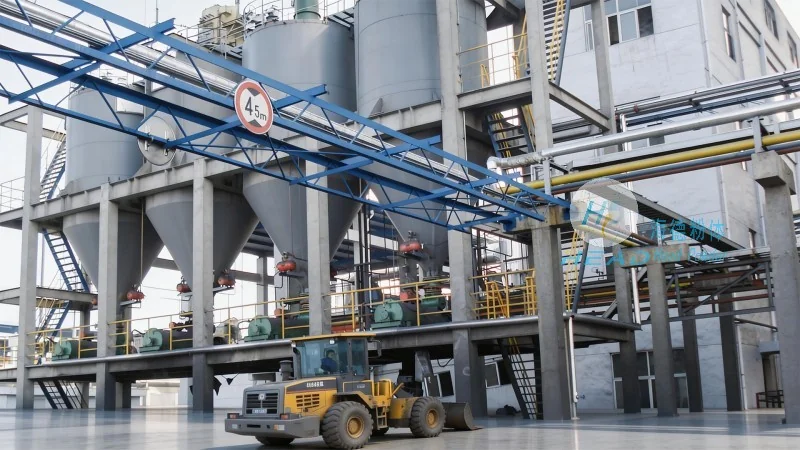
Key Components and Their Functions
Urea material handling systems typically consist of several key components, each playing a specific role in the overall process. The primary components include feeders, conveyors, storage silos, and discharge mechanisms. Feeders are responsible for controlling the flow rate of urea from the source, ensuring a consistent and controlled supply to the conveyor system. Conveyors, such as screw or belt conveyors, transport the urea from one location to another, often elevating it to higher levels or moving it horizontally across the facility. Storage silos are used to store large quantities of urea, providing a buffer for fluctuations in supply or demand. Discharge mechanisms, such as bottom discharge valves or pneumatic discharge systems, allow for the controlled release of urea from the silo to downstream processing or packaging equipment.
Each component must be carefully selected and integrated to ensure seamless operation. For example, the feeder must be matched to the conveyor's capacity to prevent overloading or underutilization. The silo's design must account for urea's tendency to settle and potentially bridge, requiring features like agitators or vibrators to maintain flowability. The discharge system must be designed to prevent blockages and ensure uniform flow, which is critical for maintaining the quality of the final product. Shandong HeadPowder Engineering Co., Ltd. employs advanced engineering techniques to design these components, ensuring compatibility and optimal performance in urea handling applications.
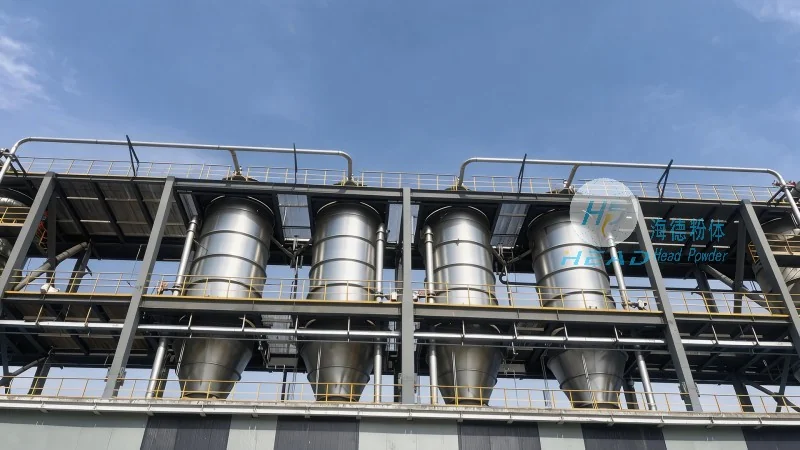
Operational Efficiency and Maintenance Considerations
Operational efficiency is a key consideration in the design and use of urea material handling systems. High-efficiency systems minimize energy consumption, reduce downtime, and maximize throughput, all of which contribute to lower operational costs. This is achieved through the use of energy-efficient motors, optimized conveyor designs, and automated control systems that adjust to changing operational conditions. Additionally, the system's maintenance requirements must be minimized to reduce operational interruptions and extend the equipment's lifespan. The company's commitment to efficiency is reflected in the design of its systems, which incorporate features like energy-saving motors and easy-to-maintain components.
Maintenance is a critical aspect of ensuring the long-term performance of urea material handling equipment. Regular inspections, cleaning, and lubrication are essential to prevent wear and tear, corrosion, and caking. The use of specialized tools and techniques, such as urea-resistant coatings or anti-caking agents, can extend the equipment's service life and reduce maintenance frequency. Proper training for operators and maintenance personnel is also crucial to ensure that the system operates as intended and that any issues are addressed promptly. Shandong HeadPowder Engineering Co., Ltd. provides comprehensive maintenance support and training programs to its clients, ensuring that their equipment remains in optimal condition throughout its service life.