

Principles and Application Scenarios of Bulk Solids Pneumatic Conveying for Soybean Powder
For industries dealing with soybean powder, efficient material handling is crucial to maintain product quality and operational efficiency. Pneumatic conveying, a method that uses air to transport bulk solids like soybean powder, offers a solution that combines simplicity with versatility. This article explores the fundamental principles of pneumatic conveying for soybean powder and highlights key application scenarios where this technology excels.
Understanding Pneumatic Conveying Principles
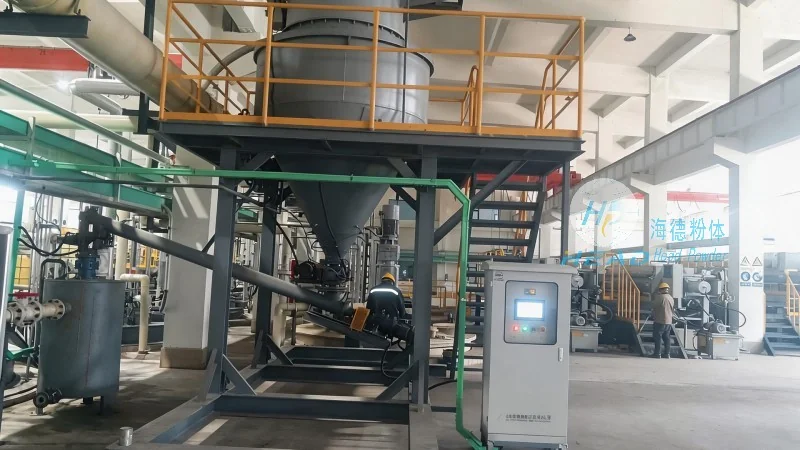
Pneumatic conveying operates by transporting solid particles through a pipeline using a moving air stream. The process can be categorized into two main types: positive pressure (or pressure) systems and negative pressure (or vacuum) systems. In positive pressure systems, air is blown into the pipeline, creating a pressure higher than the ambient air, which forces the material to move. Negative pressure systems, on the other hand, use a vacuum to draw material into the pipeline. For soybean powder, the choice of system depends on factors such as the material's properties, the distance to be conveyed, and the required flow rate.
The core components of a pneumatic conveying system include a feeder, a conveying line, a separator, and a dust collector. The feeder is responsible for introducing the soybean powder into the air stream, while the conveying line transports the mixture. The separator separates the powder from the air, and the dust collector captures any fine particles to prevent contamination and ensure environmental compliance. In soybean processing, the system must be designed to handle the specific characteristics of soybean powder, such as its density, moisture content, and potential for agglomeration.
Key Application Scenarios for Soybean Powder Pneumatic Conveying
HeadPowder Engineering Co., Ltd., a leading provider of material handling solutions based in Shandong, China, specializes in customizing pneumatic conveying systems for soybean powder applications. The company's expertise lies in understanding the unique challenges of soybean powder, such as its tendency to clog or degrade under high pressure, and designing systems that mitigate these issues.
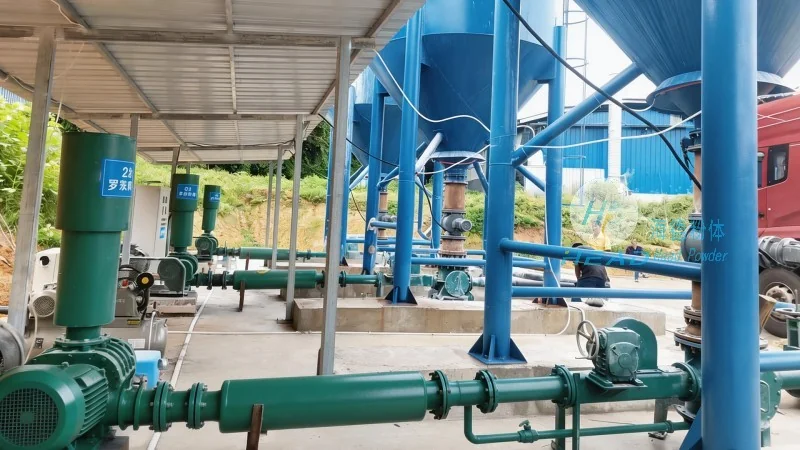
One primary application scenario is the transportation of soybean powder from storage silos to processing facilities. In this scenario, a positive pressure system is often preferred because it allows for continuous, high-volume transport without the need for complex vacuum equipment. The system can be integrated with existing silo infrastructure, ensuring a seamless flow of material from storage to production lines. This application is particularly beneficial in large-scale soybean processing plants where maintaining a consistent supply of raw material is critical for production continuity.
Another common scenario involves the transfer of soybean powder from processing equipment to packaging lines. Here, the conveying system must be gentle enough to avoid damaging the powder's quality, yet efficient enough to meet packaging demands. HeadPowder's systems often incorporate low-velocity conveying, which minimizes particle breakage and maintains the powder's integrity. This is essential for products where the powder's texture and nutritional content are key selling points, such as in food or feed applications.
Additionally, pneumatic conveying is used in the distribution of soybean powder to various locations within a facility or to external customers. For example, in a feed mill, the system can transport soybean meal from the milling area to storage bins or directly to mixing equipment. The flexibility of pneumatic conveying allows for easy reconfiguration of the system to adapt to changing production needs or facility expansions. This adaptability makes it a preferred choice over traditional mechanical conveying methods like screw conveyors or belt conveyors, which may require more maintenance and are less suitable for handling fine powders.
Advantages and Considerations in Soybean Powder Pneumatic Conveying
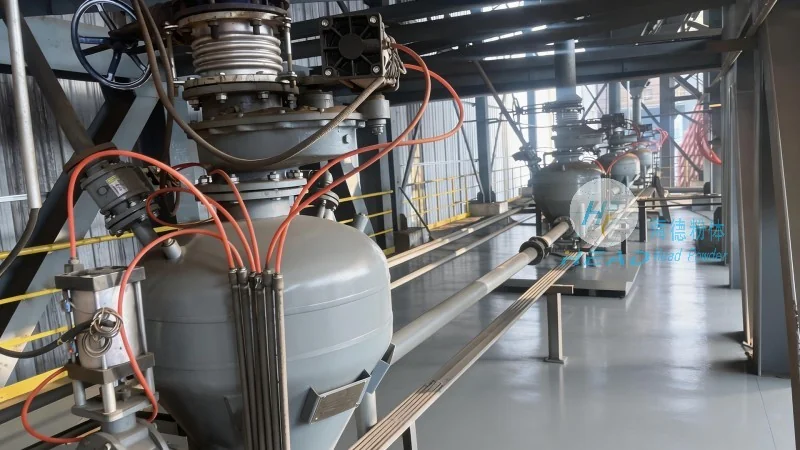
Implementing pneumatic conveying for soybean powder offers several advantages. Firstly, it is a closed system, which helps prevent contamination from external sources and maintains the product's purity. This is especially important in food and pharmaceutical industries where product safety is paramount. Secondly, pneumatic conveying systems are generally more hygienic and easier to clean compared to open systems, reducing the risk of bacterial growth and ensuring compliance with regulatory standards.
However, there are also considerations to keep in mind. The initial investment for a pneumatic conveying system can be higher than for mechanical systems, and the energy consumption is typically higher due to the need to move air through the pipeline. Additionally, the system must be designed to handle the specific flow characteristics of soybean powder, as improper design can lead to blockages or reduced efficiency. HeadPowder Engineering Co., Ltd. addresses these challenges by conducting thorough material analysis and system simulations before finalizing a design, ensuring that the system meets both operational and cost-effectiveness requirements.
Conclusion
Pneumatic conveying is a reliable and efficient method for handling soybean powder, offering benefits such as product protection, hygiene, and flexibility. By understanding the principles of pneumatic conveying and selecting the appropriate system for specific application scenarios, industries can optimize their material handling processes. HeadPowder Engineering Co., Ltd. continues to lead in providing tailored pneumatic conveying solutions that meet the unique needs of soybean powder applications, supporting the growth and efficiency of the food and feed industries.