

Principles and Operational Characteristics of Cellulose Powder Pneumatic Conveying Systems
HeadPowder, a leading provider in the field of powder handling technology, specializes in the design, manufacturing, and implementation of pneumatic conveying systems for various industrial applications. This article delves into the fundamental principles of cellulose powder pneumatic conveying systems, exploring their operational mechanisms and the specific scenarios where they excel in material transport. The company, Shandong HeadPowder Engineering Co., Ltd., based in Shandong, China, leverages advanced engineering solutions to meet the diverse needs of industries that rely on efficient and reliable powder transport.
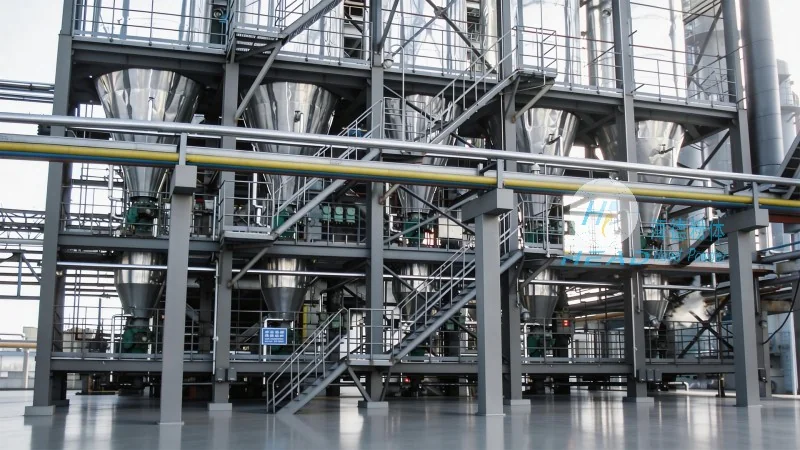
Understanding Pneumatic Conveying Systems for Cellulose Powders
Pneumatic conveying systems utilize air or other gases to transport bulk materials, such as cellulose powders, through a network of pipes. The core principle involves creating a pressure differential between the inlet and outlet of the system, which propels the powder particles along the pipeline. For cellulose powders, which are typically fine and can be prone to agglomeration, specialized system designs are crucial to ensure consistent and efficient transport. The system generally consists of a feeding mechanism, a conveying line, and a discharge unit, with optional components like cyclones, filters, and pressure vessels to manage material flow and air separation.
Key Principles of Cellulose Powder Pneumatic Conveying
The operation of a pneumatic conveying system for cellulose powders is governed by several key principles. First, the air velocity within the pipeline must be sufficient to overcome the drag forces acting on the powder particles, ensuring they remain suspended and move smoothly. This is often referred to as the "minimum conveying velocity," which varies based on the particle size, density, and flow characteristics of the cellulose powder. Second, the system must maintain an appropriate pressure gradient to maintain a stable flow. Positive pressure systems, where air is forced through the pipeline, are commonly used for long-distance or high-capacity transport, while negative pressure (or suction) systems are suitable for short distances or when the material needs to be drawn from a source. The choice of system type depends on factors like the distance between the source and destination, the required flow rate, and the environmental considerations of the application.
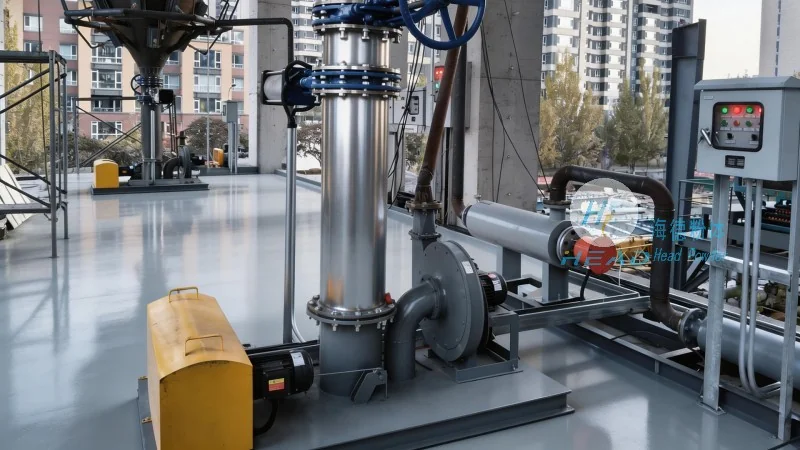
Working Scenarios and Application Characteristics
Cellulose powder pneumatic conveying systems are widely employed in industrial settings where the transport of fine powders is critical. These systems are particularly advantageous in scenarios where traditional mechanical conveying methods, such as screw conveyors or belt conveyors, may cause material degradation, clogging, or contamination. For example, in the paper and pulp industry, where cellulose is a primary raw material, pneumatic conveying is used to move raw cellulose from storage silos to processing units without the risk of moisture absorption or particle breakage. In the pharmaceutical and food industries, where product purity is paramount, pneumatic conveying systems provide a closed-loop transport solution that minimizes exposure to external contaminants and maintains product integrity.
Advantages of Pneumatic Conveying in Cellulose Powder Handling
Compared to other powder transport methods, pneumatic conveying offers several advantages for handling cellulose powders. One of the most significant benefits is the ability to transport materials in a closed system, which prevents dust emissions and protects both the product and the environment. This is particularly important for cellulose powders, which can be fine and generate significant dust when handled in open environments. Additionally, pneumatic systems can handle a wide range of particle sizes and flow rates, making them versatile for various industrial applications. They also offer flexibility in system layout, allowing for horizontal, vertical, or combined (horizontal and vertical) conveying paths to accommodate complex facility layouts. The systems are also relatively easy to install and maintain, with modular components that can be easily replaced or upgraded as needed.
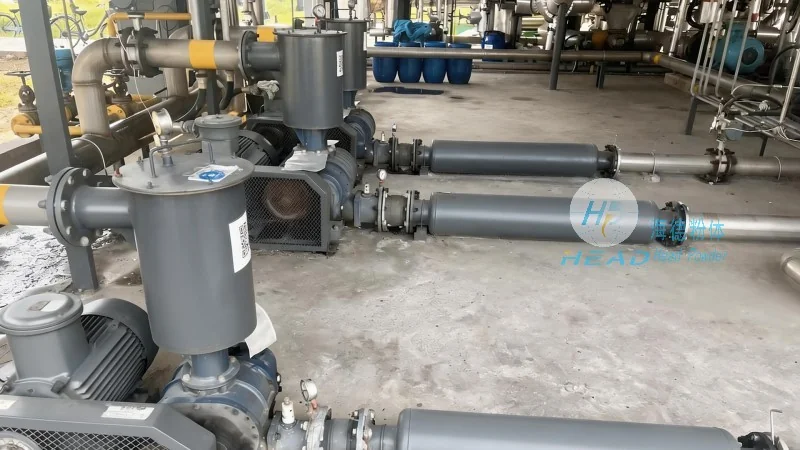
Operational Considerations and System Design
When designing a cellulose powder pneumatic conveying system, several operational considerations must be taken into account to ensure optimal performance. The first is the selection of the appropriate air velocity and pressure. As mentioned earlier, the minimum conveying velocity must be calculated based on the specific properties of the cellulose powder, such as particle size distribution, bulk density, and moisture content. Exceeding this velocity can lead to excessive energy consumption and potential damage to the system components, while falling below it may cause material buildup and system blockages. The second consideration is the system's capacity, which is determined by the required flow rate and the available air supply. The system must be sized to handle the maximum expected throughput without compromising the conveying efficiency or causing excessive pressure drops.
Conclusion
Cellulose powder pneumatic conveying systems represent a sophisticated and efficient solution for the transport of fine powders in various industrial applications. By leveraging the principles of air movement and pressure differential, these systems offer reliable, closed-loop transport that minimizes contamination and maximizes material integrity. HeadPowder, with its expertise in powder handling technology, provides tailored solutions that address the specific needs of industries, ensuring optimal performance and operational efficiency. The company's commitment to advanced engineering and customer-focused design makes it a trusted partner for businesses seeking to enhance their powder transport processes.