

Principle and Working Scene Characteristics of Gas-Liquid Transport System for Calcium Carbide Purif
HeadPowder, a leading engineering company based in Shandong, China, specializes in advanced material handling solutions. This article focuses on the gas-liquid transport system designed for the purification of calcium carbide fly ash powder, highlighting its operational principles and typical application scenarios.
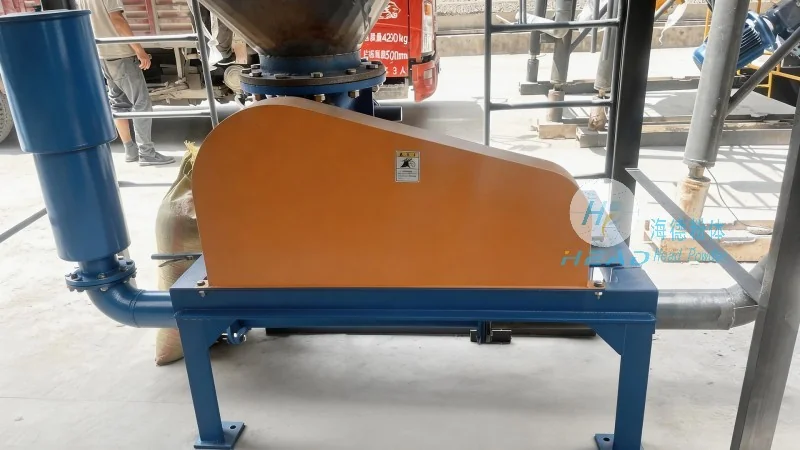
System Overview and Core Components
The gas-liquid transport system for calcium carbide purification fly ash powder is engineered to efficiently handle fine particulate materials in industrial settings. At its core, the system integrates several key components that work in tandem to ensure reliable and efficient material transport. These components typically include a dust collector, a pneumatic conveying pipeline, a control unit, and a discharge hopper. The dust collector is responsible for capturing and cleaning the fly ash particles, while the pneumatic conveying pipeline uses air pressure to move the material from the collection point to the processing or storage area. The control unit manages the system's operation, regulating air flow and pressure to maintain optimal performance. The discharge hopper provides a controlled outlet for the transported material, preventing blockages and ensuring smooth material flow.
Principle of Operation
The system operates on the principle of pneumatic conveying, which utilizes compressed air to transport dry powders through a pipeline. In the context of calcium carbide purification fly ash, the process begins with the collection of fly ash particles from the reaction or processing equipment. The particles are then drawn into the dust collector, where they are separated from any residual gases or moisture. The cleaned fly ash is subsequently introduced into the pneumatic conveying pipeline. As compressed air is introduced into the pipeline, it creates a low-pressure zone that pulls the fly ash particles along with the air stream. The air flow velocity is carefully controlled to prevent particle agglomeration and ensure uniform transport. The system's design ensures that the air-to-material ratio is optimized, balancing efficiency with energy consumption. The control unit continuously monitors parameters such as pressure, flow rate, and particle concentration to maintain stable operation and prevent system failures.
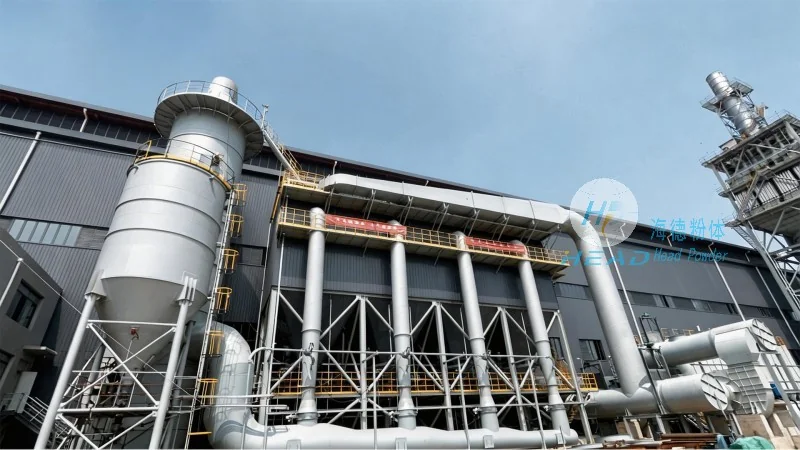
Working Scene Characteristics
The gas-liquid transport system for calcium carbide purification fly ash powder is particularly suited for industrial environments where fine powders need to be handled safely and efficiently. Typical applications include chemical plants, where calcium carbide is produced and processed, and industrial facilities that require the removal and transport of fly ash from reaction vessels or filters. The system's design addresses several key challenges in these environments, such as the need to minimize dust emissions, prevent material contamination, and ensure consistent material flow. In chemical plants, for example, the system can be integrated with existing calcium carbide production lines to transport fly ash from the purification stage to storage or further processing units. The system's compact design and low maintenance requirements make it suitable for both new installations and retrofit applications in existing facilities.
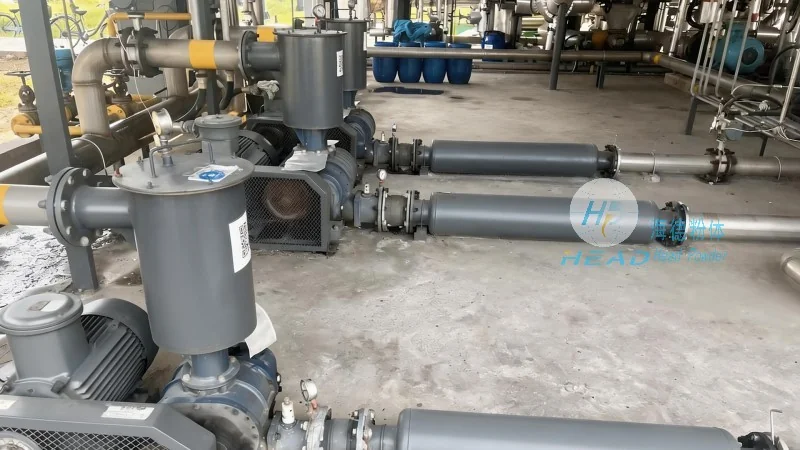
Advantages and Benefits
Implementing a gas-liquid transport system for calcium carbide purification fly ash powder offers several advantages over traditional material handling methods. One of the primary benefits is the reduction in dust emissions, which improves workplace safety and compliance with environmental regulations. The system's enclosed pipeline design prevents dust from escaping into the environment, minimizing the risk of respiratory hazards for workers. Additionally, the system enhances material handling efficiency by eliminating the need for manual handling or mechanical conveyors, which can be slow and prone to breakdowns. The pneumatic conveying process is also more flexible, allowing for changes in material flow direction or destination without major modifications to the system. Another key advantage is the improved material quality, as the system prevents contamination from external sources and maintains consistent particle size distribution. This is crucial for downstream processes that rely on high-purity fly ash, such as the production of calcium carbide or other chemical products.
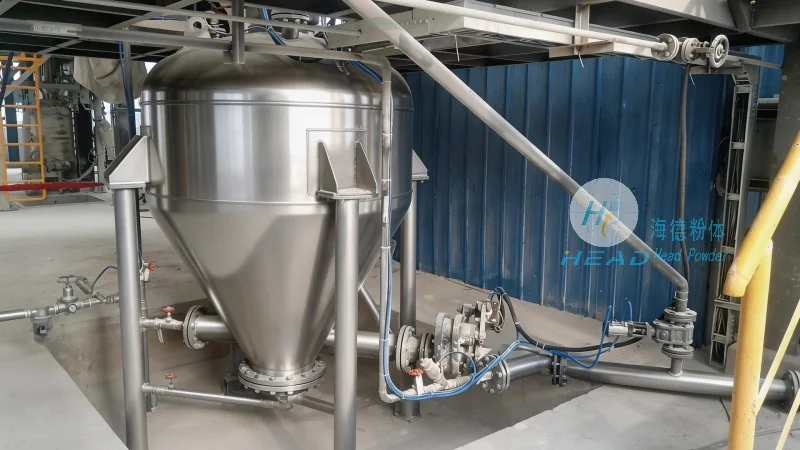
Application Scenarios
The gas-liquid transport system is widely applicable in various industrial settings where calcium carbide purification and fly ash management are critical. In chemical manufacturing plants, the system can be used to transport fly ash from the purification stage to storage tanks or to other processing units, such as those involved in the production of acetylene or other derivatives. The system's ability to handle fine powders with high efficiency makes it ideal for applications where material purity is paramount. In industrial facilities that process calcium carbide, the system can also be integrated with reaction vessels to remove fly ash during the production cycle, ensuring that the process remains continuous and productive. The system's scalability allows it to be adapted to different plant sizes and production capacities, making it suitable for both small-scale and large-scale operations. Additionally, the system's low energy consumption and minimal maintenance requirements make it a cost-effective solution for long-term material handling needs.
Conclusion
HeadPowder's gas-liquid transport system for calcium carbide purification fly ash powder represents a sophisticated solution for efficient and safe material handling in industrial applications. By leveraging pneumatic conveying technology, the system addresses the challenges of handling fine particulate materials while minimizing environmental impact and improving operational efficiency. With its robust design and advanced control features, the system is well-suited for a variety of industrial scenarios, providing a reliable and cost-effective method for transporting calcium carbide fly ash. As industrial processes continue to demand higher efficiency and safety standards, such advanced material handling systems play a crucial role in optimizing production and maintaining compliance with regulatory requirements.