

Principle and Working Scene Characteristics of Perlite Powder Pneumatic Conveying Equipment
Perlite powder pneumatic conveying equipment is a specialized system designed to efficiently transport perlite powder, a lightweight, inorganic material widely used in construction, horticulture, and industrial applications. The equipment operates on the principle of pneumatic conveying, which utilizes air flow to move bulk materials through a pipeline network. This method offers advantages such as dust-free operation, reduced material degradation, and the ability to transport materials over long distances without the need for mechanical components like conveyors or elevators.
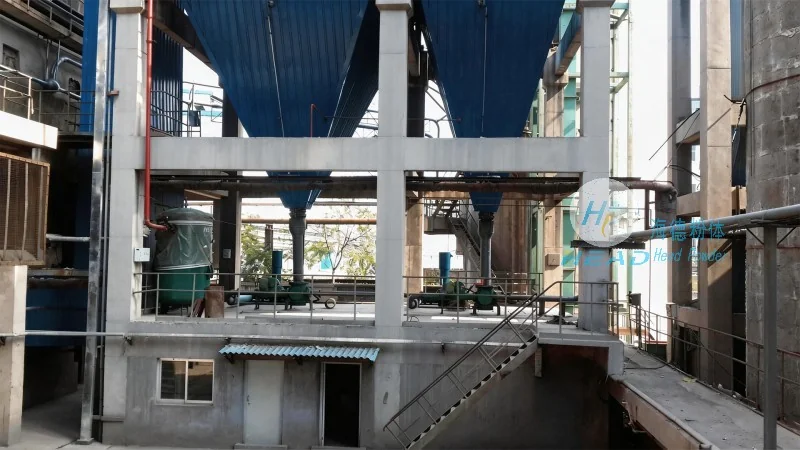
Core Principle of Pneumatic Conveying for Perlite Powder
The core principle of perlite powder pneumatic conveying is the utilization of air flow to transport bulk materials. This method can be categorized into two main types: positive pressure and negative pressure systems. Positive pressure systems use a blower or compressor to generate high-pressure air that forces the material through the pipeline, suitable for short to medium distances and multiple destinations. Negative pressure systems employ a vacuum pump to create a low-pressure environment, ideal for long-distance transport and single collection points. For perlite powder, the air-to-powder ratio, typically between 5:1 and 10:1, is critical to ensure particles are fully suspended and prevent clogging or settling. This ratio maintains the material in a fluidized state, enabling efficient transport through the pipeline network.
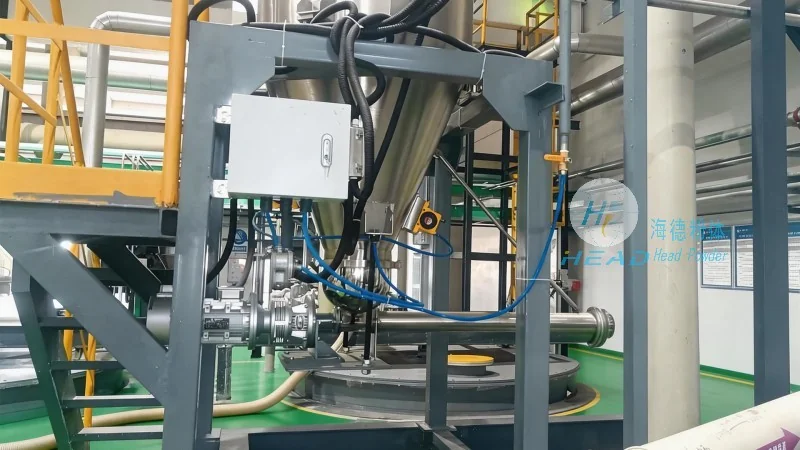
Key Components and Their Functions
Perlite powder pneumatic conveying systems consist of several critical components that work in tandem to ensure reliable operation. The primary components include a hopper for material storage, a blower or air compressor to generate the necessary air pressure, a pipeline network for material transport, and a receiver or silo for material discharge. The hopper is equipped with a feed mechanism, such as a rotary valve or screw feeder, which controls the flow of perlite powder into the system. The blower provides the driving force by creating a pressure differential between the inlet and outlet. The pipeline network is designed with appropriate diameter and length to accommodate the air flow and powder transport, often incorporating bends, elbows, and filters to prevent blockages and maintain system efficiency. The receiver or silo is used to collect the conveyed perlite powder, allowing for controlled discharge and storage. Each component is engineered to handle the specific characteristics of perlite powder, such as its low density and fine particle size, ensuring optimal performance.
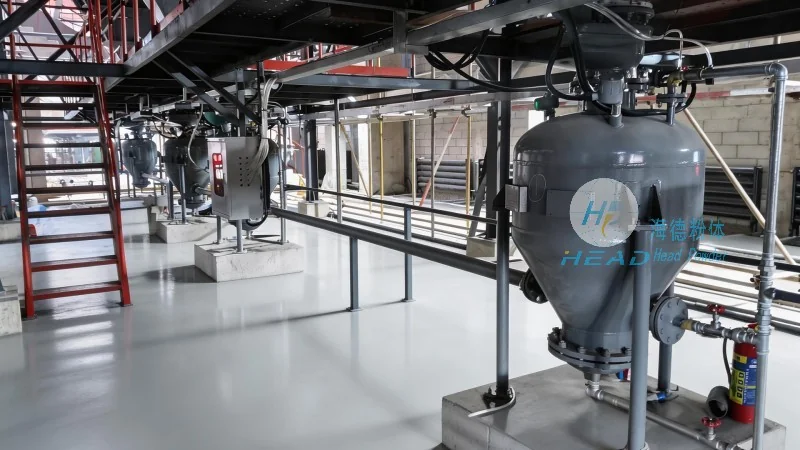
Working Scene Characteristics: Applications and Advantages
The working scene characteristics of perlite powder pneumatic conveying equipment are tailored to meet the specific needs of various industries. In construction, the equipment is used to transport perlite powder for lightweight concrete production, insulation materials, and decorative coatings. The dust-free operation and precise control over material flow are particularly beneficial, minimizing environmental contamination and ensuring consistent product quality. In horticulture, perlite is used as a soil amendment and growing medium, and the pneumatic conveying system allows for efficient distribution of the powder to greenhouses, nurseries, or agricultural sites. The system's ability to handle fine powders without degradation is crucial for maintaining the quality of the perlite, which is essential for plant growth. Additionally, in industrial applications, such as the production of perlite-based filters or catalysts, the equipment enables the precise transport of the powder to processing units, ensuring uniform material handling and reducing the risk of contamination. The advantages of pneumatic conveying, including reduced labor costs, lower energy consumption compared to traditional methods, and improved safety due to the absence of moving parts, make it a preferred choice for many industries.
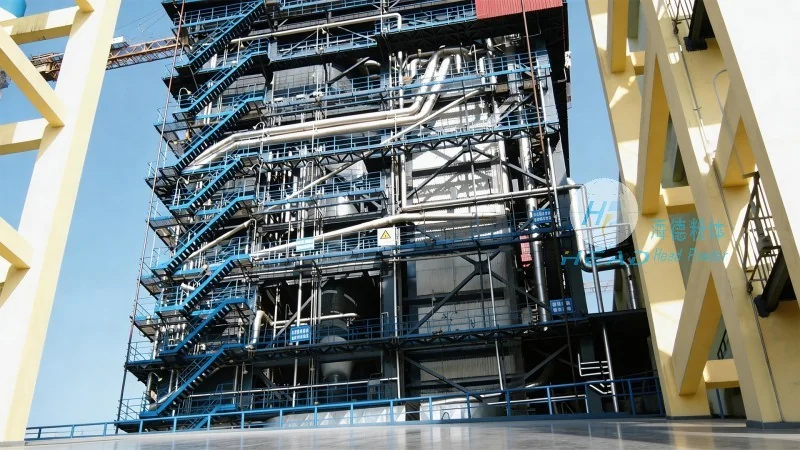
Operational Efficiency and Maintenance Considerations
Efficiency in perlite powder pneumatic conveying is achieved through careful system design and regular maintenance. The air-to-powder ratio is a critical parameter that must be optimized to prevent excessive pressure drop or material clogging. Regular inspection and cleaning of the pipeline network, filters, and hopper are essential to maintain system performance and prevent downtime. The blower or compressor must be sized appropriately to handle the required air volume and pressure, ensuring that the system operates within its design limits. Additionally, the feed mechanism must be adjusted to maintain a consistent flow rate, which helps to avoid surges or fluctuations in the conveying process. Proper maintenance, including lubrication of moving parts and replacement of worn components, is crucial for extending the lifespan of the equipment and ensuring reliable operation over time. The system's design also incorporates features such as pressure relief valves and flow monitors to detect and address issues promptly, enhancing overall operational efficiency.