

Principle and Working Scene Characteristics of Alumina Crystal Powder Pneumatic Conveying Line
HeadPowder, a leading provider in the field, specializes in the design and implementation of pneumatic conveying systems for alumina crystal powders. This article delves into the fundamental principles behind such systems and highlights key working scene characteristics that define their operational efficiency and reliability.
Company Overview
HeadPowder, or Shandong HeadPowder Engineering Co., Ltd., is headquartered in Shandong, China. The company is dedicated to delivering high-quality engineering solutions tailored to the unique demands of material handling, particularly in the processing of fine powders like alumina crystals. With a focus on innovation and precision, HeadPowder has established itself as a trusted partner in the industry.
Principle of Pneumatic Conveying for Alumina Crystal Powders
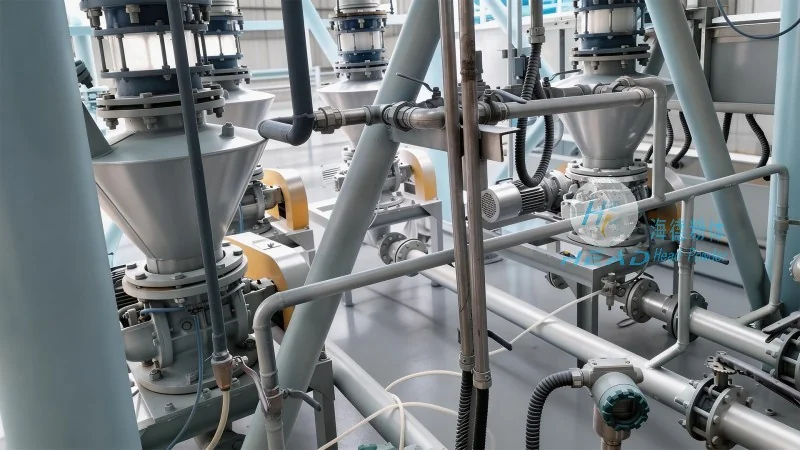
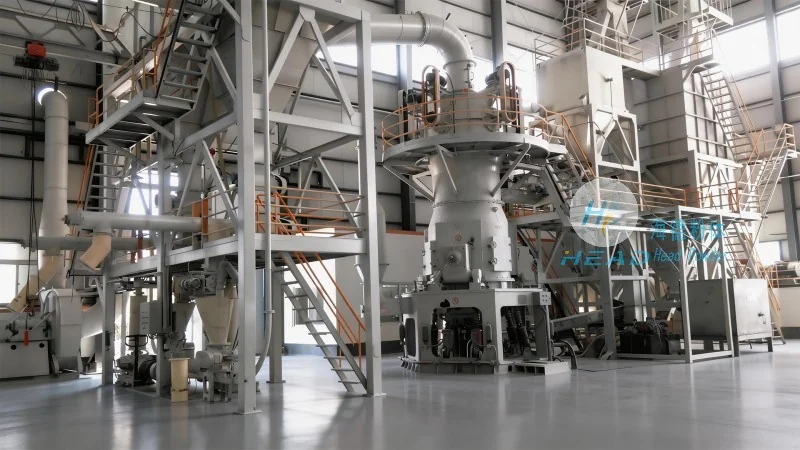
The core principle of a pneumatic conveying line for alumina crystal powders involves the use of pressurized air or vacuum to transport the powder from a source to a destination. This method eliminates the need for mechanical components such as belts or buckets, reducing maintenance requirements and enhancing safety. The system typically consists of a hopper, a conveyor pipe, and a control unit that regulates the flow of air and powder. The process begins with the powder being fed into the hopper, where it is then drawn into the conveyor pipe by the air flow. The air velocity is carefully controlled to ensure that the powder particles are suspended and transported smoothly without clogging or degradation.
Working Scene Characteristics
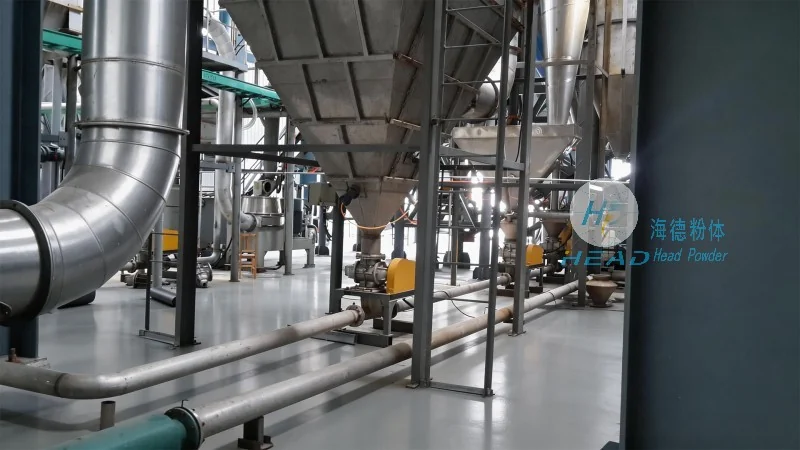
The working scene characteristics of alumina crystal powder pneumatic conveying lines are influenced by several factors, including the particle size, density, and moisture content of the material. In industrial settings, these systems are often used in environments where dust control and contamination prevention are critical. The design of the conveying line must account for the specific properties of alumina crystals, which are known for their high reactivity and potential for agglomeration. To mitigate these issues, the system may incorporate features such as inline mixers, cyclone separators, and air filters to maintain the quality of the powder and ensure consistent performance.
Key Advantages in Operational Scenarios
When deployed in various industrial applications, alumina crystal powder pneumatic conveying lines offer several advantages. These include reduced labor costs due to automated operation, minimized material loss through enclosed systems, and improved safety by eliminating manual handling of powders. The flexibility of pneumatic conveying allows for easy integration with existing production lines, enabling seamless material transfer between different stages of processing. Additionally, the system's ability to handle varying flow rates and pressures makes it suitable for a wide range of operational scenarios, from small-scale laboratory applications to large-scale industrial production.