

Principle and Working Scene Characteristics of Carbide Slag Powder Pneumatic Conveying Machine
Carbide slag, a byproduct of the calcium carbide production process, poses significant challenges in handling and transportation due to its fine particle size and abrasive nature. The pneumatic conveying machine designed for carbide slag powder offers an efficient solution to address these challenges, ensuring safe and reliable material transport in industrial settings. This article explores the fundamental principles behind such equipment and highlights its key working scene characteristics, providing insights into its application and operational advantages.
Introduction to Carbide Slag Powder Pneumatic Conveying
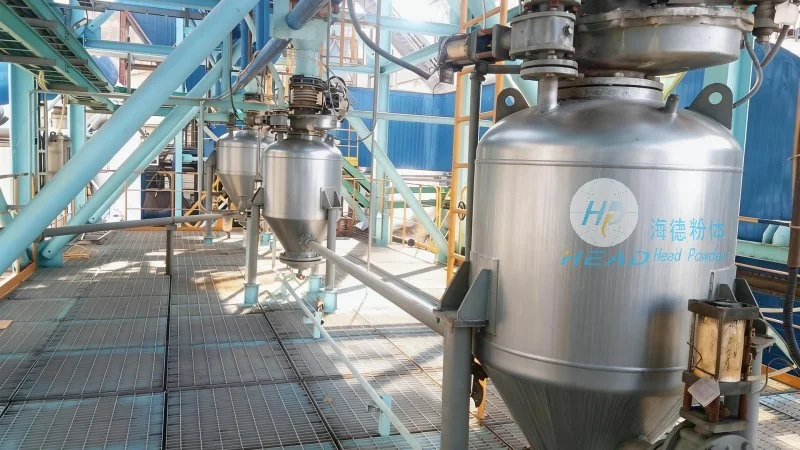
Carbide slag, also known as calcium carbide residue, is a fine, granular material generated during the production of calcium carbide. It typically consists of calcium oxide, carbon, and other impurities, with particle sizes ranging from a few microns to several millimeters. Due to its abrasive properties and potential health hazards, conventional methods like belt conveyors or bucket elevators are often unsuitable for handling carbide slag. Pneumatic conveying systems, which use air pressure to transport powders and granules, provide a safer and more efficient alternative. These systems eliminate the need for direct contact between the material and mechanical components, reducing wear and minimizing dust exposure.
Core Principles of Pneumatic Conveying for Carbide Slag
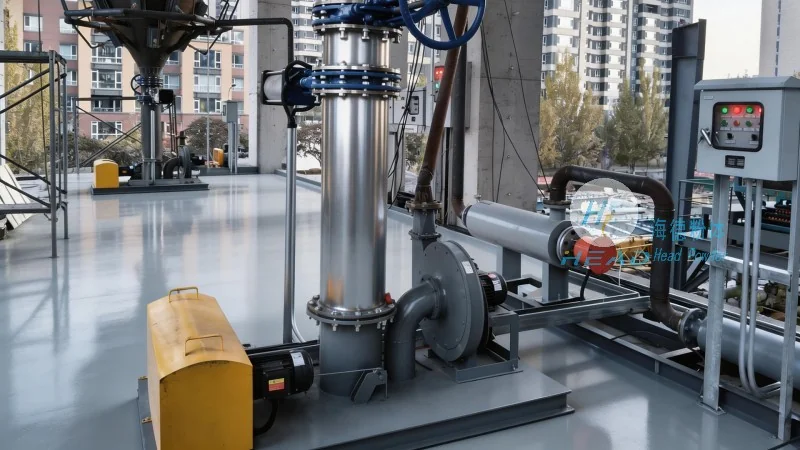
The operation of a carbide slag powder pneumatic conveying machine is based on the fundamental principle of fluidization and air flow. The system typically consists of a hopper, a blower or compressor, a pipeline network, and a discharge outlet. The process begins with the material being fed into the hopper, where it is then drawn into the pipeline by the air flow generated by the blower. The air velocity within the pipeline is maintained at a level sufficient to keep the particles suspended and prevent deposition. The key parameters influencing the conveying performance include air pressure, flow rate, and particle size distribution. For carbide slag, which is a fine powder, higher air velocities and appropriate pressure are required to ensure stable transport. The system may also incorporate features like cyclone separators or filters to separate the conveyed material from the air stream, allowing for efficient collection and discharge.
Working Scene Characteristics of Carbide Slag Pneumatic Conveying Machines
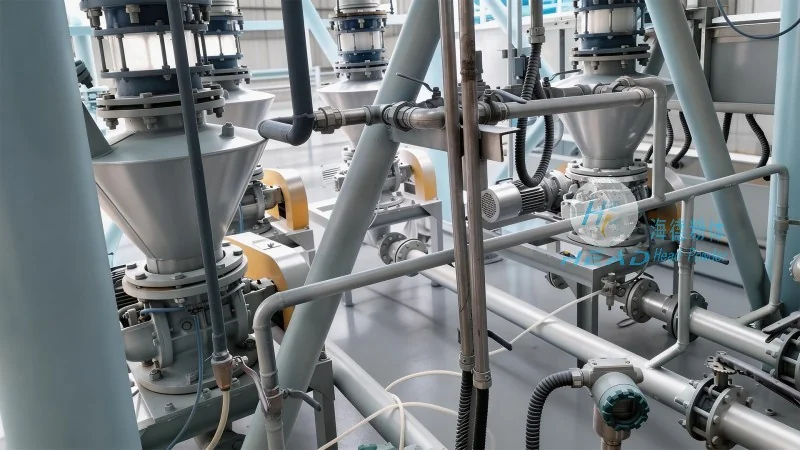
The application of carbide slag powder pneumatic conveying machines is characterized by several distinct working scene features that make them ideal for specific industrial environments. Firstly, these systems are commonly used in the chemical and metallurgical industries, where carbide slag is a byproduct of calcium carbide production. The machines are often integrated into existing production lines, connecting the slag generation point to storage or processing facilities. This integration allows for a seamless flow of material, reducing manual handling and associated risks. Secondly, the working environment is typically characterized by high dust levels and abrasive conditions. The pneumatic conveying system's design, with its enclosed pipelines and efficient filtration, helps maintain a cleaner and safer working area compared to traditional methods. Thirdly, the system's flexibility in conveying distances and angles is a significant advantage. It can transport carbide slag over long distances and through complex layouts, such as vertical or horizontal pipelines, without the need for multiple transfer points. This flexibility is particularly valuable in large-scale industrial plants where space constraints and operational efficiency are critical.
Operational Advantages and Considerations
Implementing a carbide slag powder pneumatic conveying machine offers several operational advantages. The primary benefit is the reduction in labor costs and safety hazards associated with manual handling of abrasive materials. The enclosed system minimizes dust exposure, improving workplace safety and compliance with environmental regulations. Additionally, the system's efficiency in material transport reduces downtime and increases overall production throughput. However, there are also considerations to keep in mind. The initial investment cost of pneumatic conveying equipment is higher compared to traditional methods, and maintenance requirements, particularly for components exposed to abrasive particles, need to be addressed. Proper selection of air pressure and flow rate is crucial to avoid system overload or particle deposition, which can lead to blockages and operational issues. Regular maintenance, including cleaning of filters and pipelines, is essential to ensure long-term reliability and performance.
Conclusion
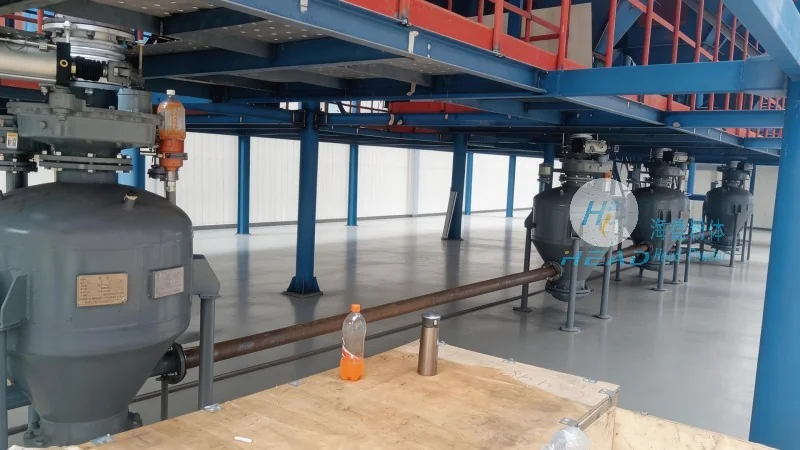
In conclusion, the carbide slag powder pneumatic conveying machine represents an advanced solution for handling and transporting fine, abrasive materials in industrial applications. By leveraging the principles of pneumatic transport, these systems provide efficient, safe, and reliable material handling, addressing the unique challenges posed by carbide slag. The working scene characteristics, including integration into production lines, enclosed operation, and flexibility in layout, make them suitable for various industrial settings. As the demand for efficient and safe material handling solutions continues to grow, the carbide slag powder pneumatic conveying machine remains a valuable asset for companies operating in the chemical and metallurgical sectors. The technology's ability to minimize manual handling, reduce dust exposure, and improve operational efficiency makes it a key component in modern industrial processes.