

Principles and Working Scene Characteristics of Pneumatic Conveying for Fertilizer Materials
Understanding the fundamentals of pneumatic conveying for fertilizer materials is crucial for optimizing material handling processes in agricultural and industrial settings. This article explores the core principles behind this technology and highlights the key characteristics of its application across various working scenes.
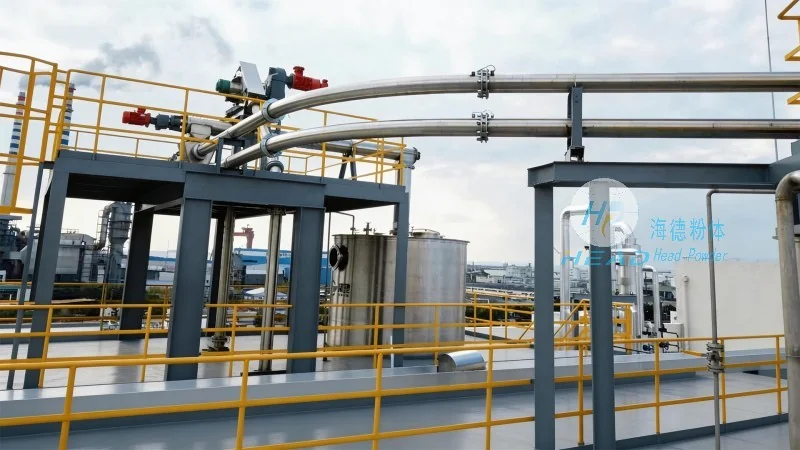
Principles of Pneumatic Conveying for Fertilizer Materials
Pneumatic conveying systems utilize air or gas to transport bulk materials, such as fertilizers, through a pipeline network. The primary principle involves creating a pressure differential between the inlet and outlet of the system. There are two main types of pneumatic conveying: positive pressure and negative pressure systems. Positive pressure systems generate air flow by blowing air into the material stream, while negative pressure systems create suction by drawing air out of the material stream. For fertilizer materials, which often require gentle handling to prevent degradation or segregation, positive pressure systems are commonly preferred due to their ability to maintain consistent air flow and minimize material impact.
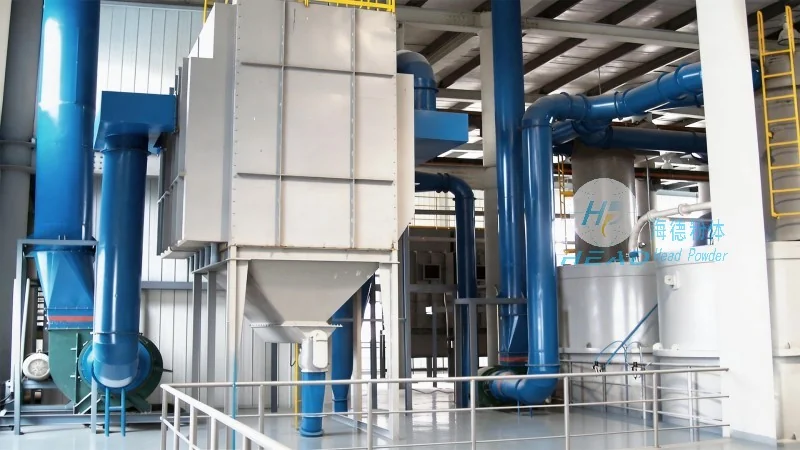
Working Scene Characteristics of Pneumatic Conveying in Fertilizer Industry
The application of pneumatic conveying in fertilizer handling varies significantly based on the specific working scene. In warehouse environments, these systems are used for bulk storage and distribution, enabling efficient transfer of raw materials from storage silos to processing lines. The key characteristics in this scene include high throughput rates, minimal material degradation, and the ability to handle large volumes of granular or powdered fertilizers. For example, in a fertilizer production plant, pneumatic conveyors are integrated into the production line to transport raw materials like urea, ammonium nitrate, or phosphate rock from storage to mixing and granulation units. The working scene here emphasizes continuous operation, low maintenance requirements, and precise material control to ensure consistent product quality.
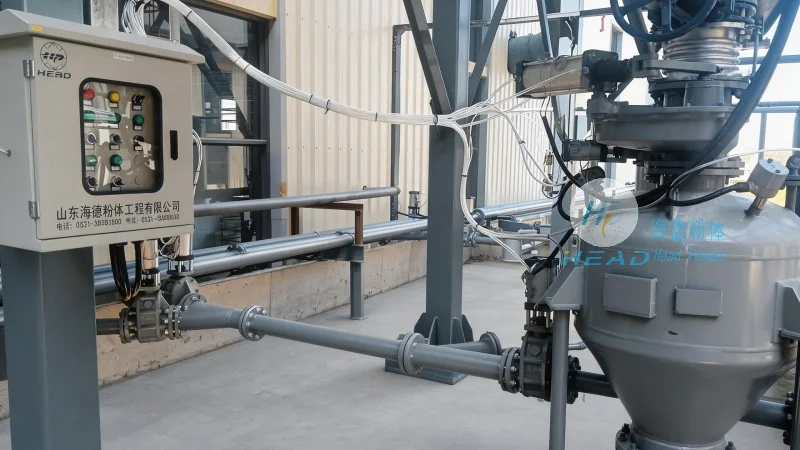
Advantages and Considerations in Different Working Scenarios
Each working scene presents unique advantages and considerations for pneumatic conveying systems. In outdoor or open storage areas, the systems must be designed to withstand environmental factors like dust, moisture, and temperature fluctuations. The use of corrosion-resistant materials and proper sealing mechanisms is essential to maintain system efficiency and longevity. In contrast, indoor processing facilities benefit from enclosed systems that reduce dust emissions and improve workplace safety. The characteristics of the fertilizer material itself also play a critical role; for instance, materials with high moisture content or abrasive properties may require specialized equipment, such as high-capacity blowers and wear-resistant pipelines, to ensure reliable operation.
HeadPowder Engineering's Expertise in Pneumatic Conveying Solutions
Shandong HeadPowder Engineering Co., Ltd. specializes in providing tailored pneumatic conveying solutions for the fertilizer industry. With a focus on innovation and customer-centric design, the company has developed advanced systems that address the specific challenges of fertilizer handling. HeadPowder's expertise lies in designing systems that balance efficiency, durability, and cost-effectiveness. The company's team of engineers leverages years of experience to customize solutions that meet the unique requirements of each working scene, whether it involves bulk storage, production line integration, or material transfer between different stages of the fertilizer processing cycle.
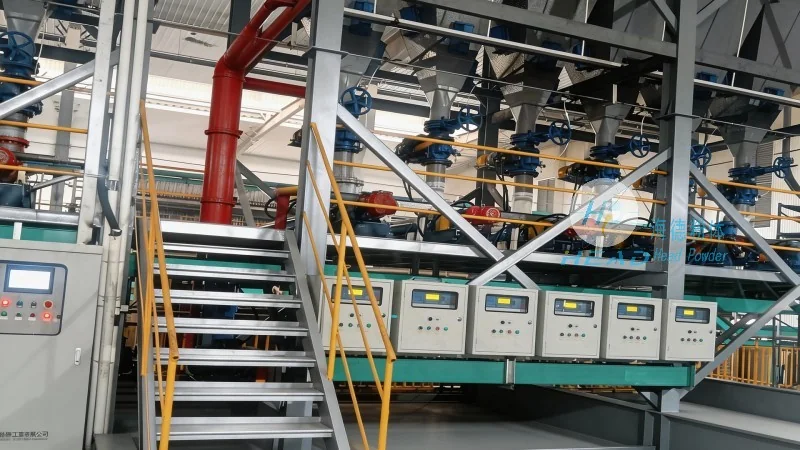
Conclusion: Optimizing Fertilizer Handling with Pneumatic Conveying
By understanding the principles of pneumatic conveying and the characteristics of different working scenes, fertilizer manufacturers can enhance operational efficiency, reduce costs, and improve product quality. The integration of advanced technology and expert engineering, as exemplified by companies like Shandong HeadPowder Engineering Co., Ltd., ensures that pneumatic conveying systems remain a reliable and effective solution for modern fertilizer handling needs. As the industry continues to evolve, the adaptability and versatility of these systems will continue to play a vital role in meeting the demands of agricultural production.