

Principle and Working Scene Characteristics of Molybdenum Concentrate Powder Pneumatic Conveying Sys
HeadPowder, a leading provider of industrial material handling solutions, specializes in the design and implementation of advanced pneumatic conveying systems tailored for molybdenum concentrate powder. This article explores the fundamental principles behind such systems and highlights the key working scene characteristics that make them indispensable in modern processing facilities.
Principle of Pneumatic Conveying for Molybdenum Concentrate
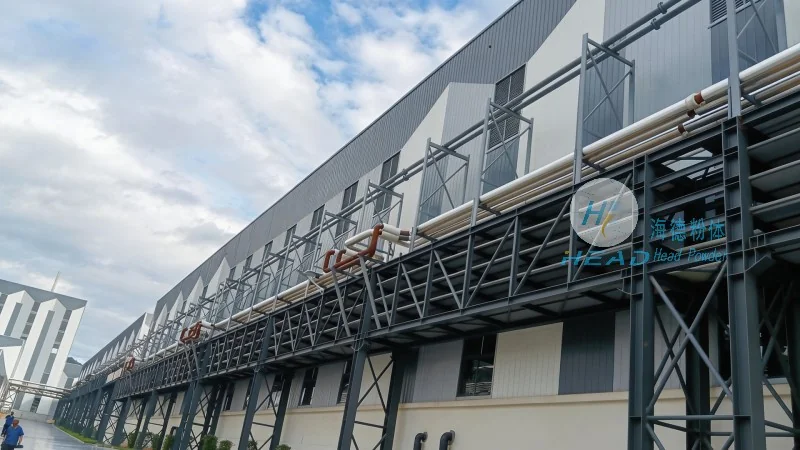
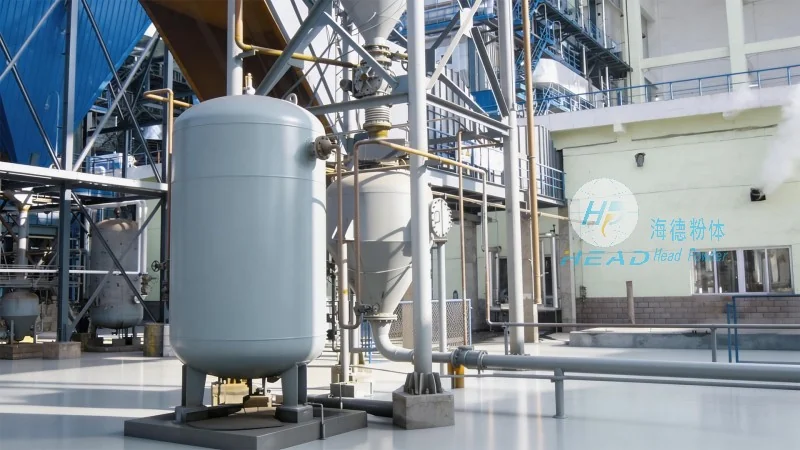
The core principle of a molybdenum concentrate powder pneumatic conveying system is the use of compressed air or other gas to transport bulk materials through a pipeline. In this system, the molybdenum concentrate powder is suspended in the air stream, allowing it to be moved from the source to the destination without the need for mechanical components like belts or buckets. The process typically involves a hopper or feeder that feeds the powder into a venturi or duct where the air is introduced, creating a high-velocity flow that carries the material. The system can operate in either positive or negative pressure modes, depending on the specific application and the need to handle dust or prevent contamination. For molybdenum concentrate, which is often fine and abrasive, the design of the conveying line, including the selection of materials for the pipes and components, is critical to ensure efficient and reliable operation. The system's efficiency is measured by factors such as the conveying velocity, the pressure drop, and the overall throughput, all of which are optimized to handle the unique properties of molybdenum concentrate powder, including its density, particle size distribution, and moisture content.
Working Scene Characteristics of Molybdenum Concentrate Pneumatic Conveying
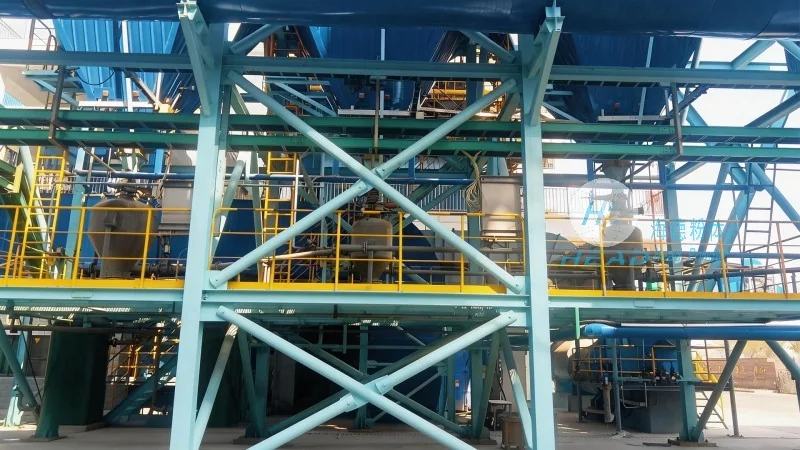
The working scene characteristics of molybdenum concentrate powder pneumatic conveying systems are shaped by the specific requirements of the processing environment. In mining and metallurgical operations, these systems are commonly used to transport molybdenum concentrate from storage silos to processing units, such as crushers, mills, or flotation plants. The key characteristics include high throughput capabilities, which are essential for maintaining the flow of raw materials in large-scale production lines. The systems are also designed to handle varying particle sizes and moisture levels, ensuring consistent performance even when the material properties change. Another important characteristic is the ability to operate in both continuous and batch modes, allowing flexibility in production scheduling. The working environment often involves high dust levels, so the systems are equipped with dust collection and filtration systems to comply with environmental regulations and ensure workplace safety. Additionally, the systems are designed for easy maintenance and cleaning, as the abrasive nature of molybdenum concentrate can lead to wear on components over time. The integration of these systems into existing facilities requires careful planning to ensure compatibility with the existing infrastructure and to minimize downtime during installation.
Applications and Benefits in Molybdenum Processing
Molybdenum concentrate powder pneumatic conveying systems are widely used in various stages of molybdenum processing, from raw material handling to finished product distribution. The primary benefits of these systems include improved safety by eliminating the need for manual handling of bulk materials, reduced labor costs due to automated operation, and enhanced efficiency through consistent material flow. The systems also contribute to better product quality by minimizing material degradation and contamination during transport. In the context of Shandong HeadPowder Engineering Co., Ltd., the company's expertise lies in customizing these systems to meet the specific needs of each client, ensuring that the equipment is optimized for the particular molybdenum concentrate properties and the operational conditions of the facility. The company's location in Shandong, China, provides access to a skilled workforce and robust supply chains, enabling efficient project execution and after-sales support.
Conclusion and Future Trends
As the demand for molybdenum continues to grow in industries such as aerospace, automotive, and electronics, the importance of efficient material handling systems like pneumatic conveyors becomes increasingly critical. The principles and working scene characteristics of molybdenum concentrate powder pneumatic conveying systems remain central to ensuring the smooth operation of processing facilities. Companies like Shandong HeadPowder Engineering Co., Ltd. play a vital role in providing these solutions, leveraging their technical expertise and local presence to deliver systems that meet the highest standards of performance and reliability. By understanding the fundamental principles and characteristics of these systems, industry professionals can make informed decisions about the implementation of pneumatic conveying in their molybdenum processing operations, ultimately contributing to improved productivity and sustainability in the industry.