

Principle and Working Scene Characteristics of Organic Fertilizer Granular Material Pneumatic Convey
Organic fertilizer granular material pneumatic conveying lines are specialized systems designed to transport organic fertilizer particles efficiently and reliably. These systems are crucial in the fertilizer production and distribution process, ensuring that organic fertilizer materials are moved from one stage of processing to another without the need for manual handling or traditional mechanical conveyors. The technology behind these lines combines principles of fluid dynamics and mechanical engineering to create a seamless, automated transport solution.

Overview of Pneumatic Conveying Systems
Pneumatic conveying systems utilize air or gas as the medium to transport bulk materials through a network of pipes. The core components of such a system typically include a blower or fan to generate the necessary air pressure, a hopper or feeder to introduce the material into the system, a pipeline network to guide the material, and a discharge point where the material is released. The system can operate under either positive pressure (where air is forced through the system) or negative pressure (where air is drawn out, creating a vacuum). For organic fertilizer granular materials, positive pressure systems are often preferred due to their ability to handle a wide range of particle sizes and moisture content without causing material degradation.
The Working Principle of Organic Fertilizer Granular Material Pneumatic Conveying Lines
The operation of an organic fertilizer granular material pneumatic conveying line begins with the material being fed into a hopper. The hopper is equipped with a feeder, such as a rotary valve or a screw conveyor, which controls the flow rate of the granular material. As the material enters the hopper, it falls into a vertical or horizontal pipe where it is mixed with the air stream generated by the blower. The air velocity within the pipe is maintained at a level sufficient to suspend the granular particles, allowing them to be carried along the pipeline to the destination point. At the discharge end, the material is separated from the air stream, often through a cyclone separator or a filter, and collected in a receiving container. The air, now free of particles, is either recirculated back to the blower or vented to the atmosphere, depending on the system design.
Key Components and Their Functions
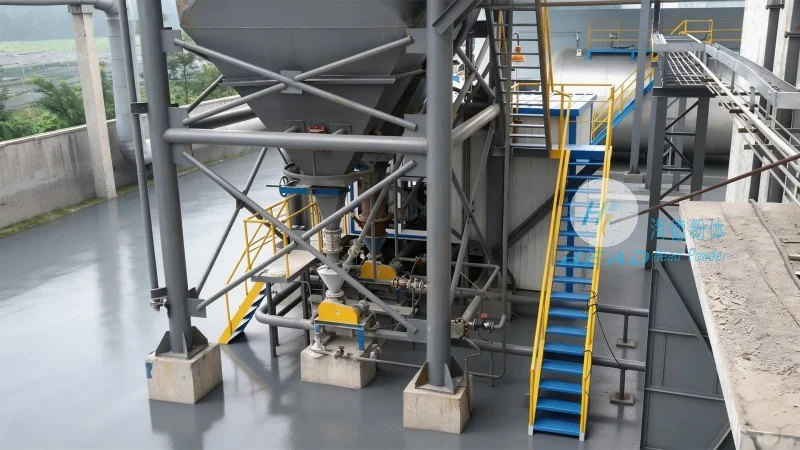
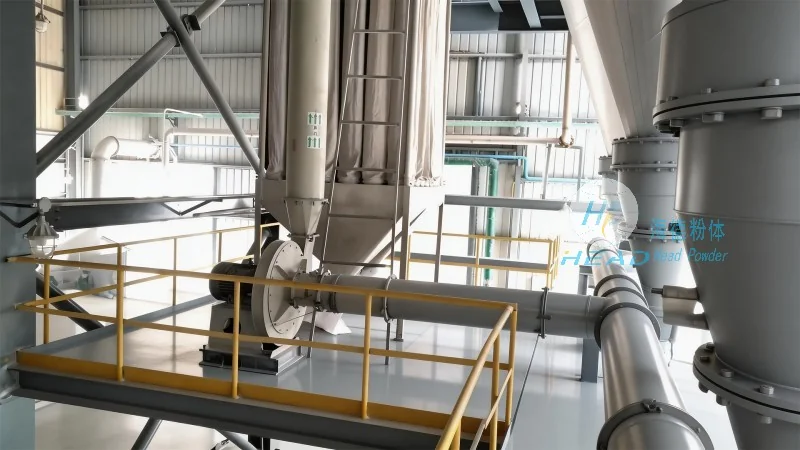
Several critical components work in tandem to ensure the efficient operation of an organic fertilizer granular material pneumatic conveying line. The blower or fan is the primary power source, providing the necessary air pressure and flow rate. It is typically selected based on the material's properties, such as particle size, density, and moisture content, as well as the system's length and number of bends. The hopper and feeder are essential for controlling the material flow and preventing blockages. The hopper is designed to store a sufficient quantity of material to maintain a steady flow, while the feeder regulates the rate at which material is introduced into the pipeline. The pipeline network consists of straight sections and fittings, such as elbows, tees, and reducers, which are carefully designed to minimize pressure loss and maintain consistent air velocity. The discharge equipment, including cyclone separators and filters, is crucial for separating the material from the air stream and preventing dust or particles from escaping into the environment.
Working Scene Characteristics: Applications and Benefits
The working scene characteristics of organic fertilizer granular material pneumatic conveying lines are tailored to the specific needs of fertilizer production facilities. These systems are commonly used in scenarios where organic fertilizer is produced in bulk and needs to be transported between different processing stages, such as from a granulation unit to a packaging line, or from a storage silo to a loading dock. The advantages of using pneumatic conveying for organic fertilizer granular materials include high efficiency, as the system can transport large quantities of material over long distances with minimal labor. It also offers a hygienic and dust-free environment, which is particularly important for organic fertilizers that may contain moisture or be prone to dust generation. Additionally, pneumatic conveying systems are flexible and can be easily integrated into existing production lines, allowing for modifications or expansions as production needs change.
Case Study: Application in a Fertilizer Production Plant
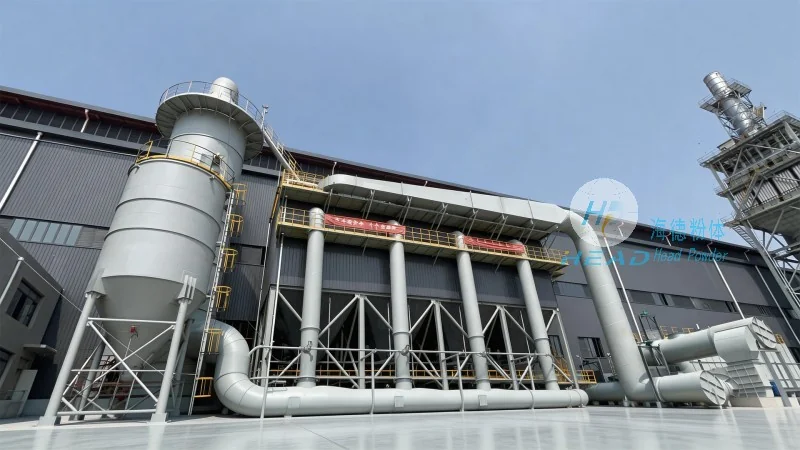
Consider a fertilizer production plant in Shandong, China, where organic fertilizer granules are manufactured and then transported to a packaging facility. The plant utilizes a positive pressure pneumatic conveying line to move the granular material from the granulation unit to the packaging line. The system includes a large hopper with a rotary valve feeder, a blower capable of generating 10,000 cubic meters per hour of air flow, and a pipeline network with several elbows and a cyclone separator at the discharge point. The line is designed to transport 50 tons of granular material per hour, covering a distance of 200 meters from the granulation unit to the packaging area. The system operates continuously, ensuring a steady supply of material to the packaging line without any interruptions. The plant has reported significant improvements in production efficiency and reduced labor costs compared to traditional mechanical conveyor systems. The pneumatic conveying line has also helped maintain a clean and safe working environment, as the material is transported without the need for manual handling or exposure to dust.
Conclusion and Company Information
Organic fertilizer granular material pneumatic conveying lines represent a sophisticated and efficient solution for transporting bulk organic fertilizer materials in modern production facilities. By leveraging principles of fluid dynamics and mechanical engineering, these systems offer high efficiency, flexibility, and a hygienic working environment. For companies in the fertilizer industry, investing in such a system can lead to improved production efficiency, reduced labor costs, and enhanced product quality. Shandong HeadPowder Engineering Co., Ltd., a leading manufacturer of engineering solutions for the fertilizer industry, specializes in designing and manufacturing high-quality pneumatic conveying systems tailored to the specific needs of organic fertilizer production. With a strong presence in Shandong, China, the company provides comprehensive solutions that meet the demands of modern fertilizer production, ensuring reliable and efficient material transport throughout the entire production process.