

Principle and Working Scene Characteristics of River Sand Material Pneumatic Conveying Equipment
HeadPowder, a leading manufacturer in the field of material handling solutions, specializes in the design, development, and production of advanced pneumatic conveying systems. Based in Shandong, China, the company has established itself as a trusted provider of high-efficiency equipment tailored for various industrial applications, including the transportation of river sand and other bulk materials. This article delves into the fundamental principles of pneumatic conveying technology and explores the specific characteristics of working environments where such equipment is commonly employed.
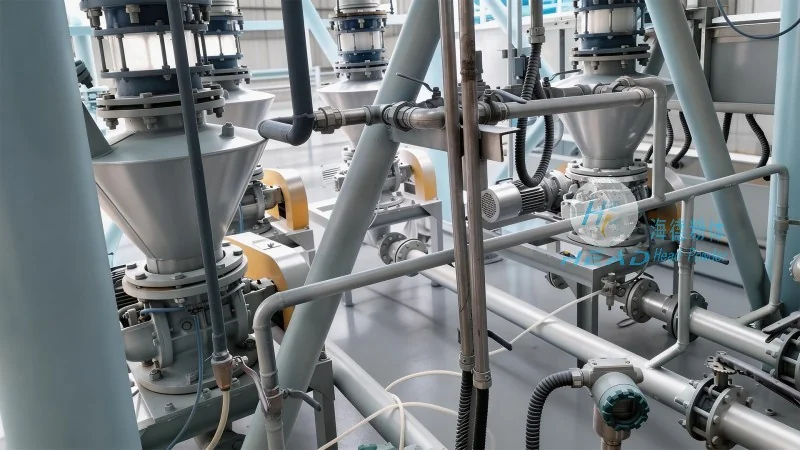
Understanding the Core Principles of Pneumatic Conveying for River Sand
Pneumatic conveying systems operate by utilizing air or gas to transport solid materials through a pipeline network. In the case of river sand, which is a fine-grained, abrasive material, the design of the conveying equipment must account for factors such as particle size, moisture content, and the potential for clogging. The primary principle involves creating a pressure differential between the inlet and outlet of the system, which propels the sand particles forward. There are two main types of pneumatic conveying: pressure and vacuum systems. Pressure systems use compressed air to push the material, while vacuum systems draw the material using a suction mechanism. For river sand applications, pressure systems are often preferred due to their ability to handle higher material loads and maintain consistent flow rates, especially in scenarios where the material is prone to bridging or agglomeration.
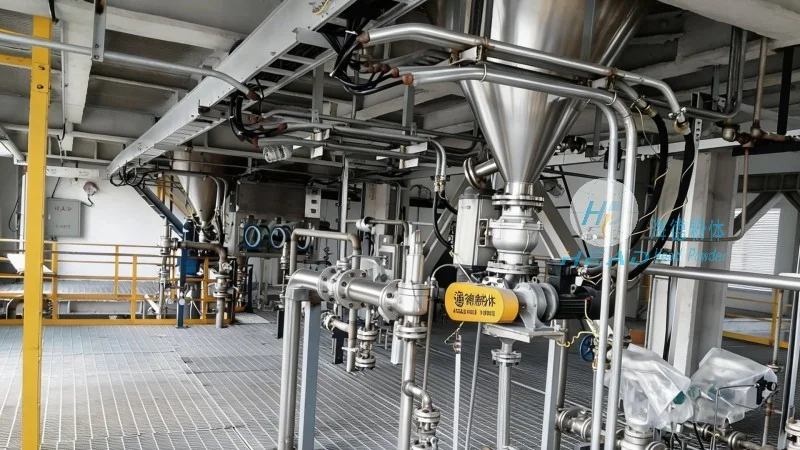
Key Components and Their Roles in the Conveying Process
The effectiveness of a pneumatic conveying system for river sand depends on several critical components. The material feed hopper is designed to store and meter the sand, ensuring a uniform flow into the conveying line. The air compressor or vacuum pump provides the necessary pressure or suction to move the material. The pipeline network, typically made of stainless steel or other corrosion-resistant materials, must be properly sized to accommodate the flow rate and pressure requirements. For abrasive materials like river sand, the use of wear-resistant liners and elbows is essential to minimize wear and extend the system's lifespan. Additionally, the system includes control valves and sensors that monitor pressure, flow, and material level, allowing for real-time adjustments to maintain optimal performance. The discharge unit, often a rotary valve or a venturi, regulates the release of the sand at the destination point, preventing backflow and ensuring a smooth transfer.
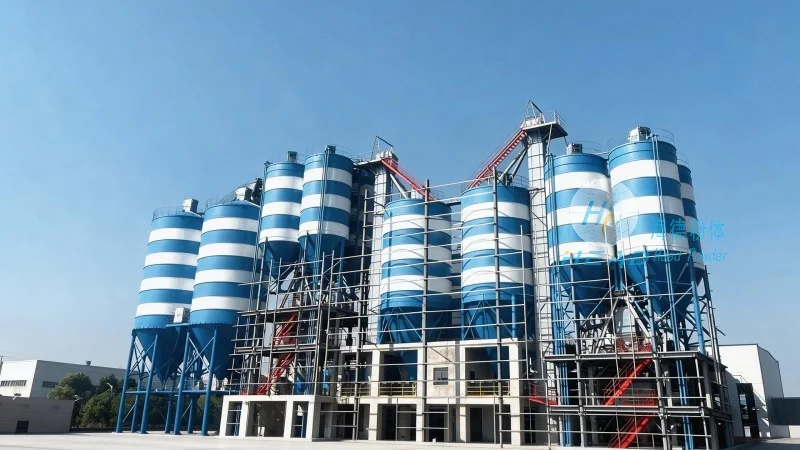
Working Scene Characteristics: Applications and Operational Environments
The working scene characteristics of pneumatic conveying equipment for river sand are influenced by the specific industrial settings where it is deployed. These environments often include construction sites, sand processing plants, and mining operations, where the material needs to be transported from storage areas to processing units or to other locations within the facility. The characteristics of these working scenes include high material volumes, varying particle sizes, and the need for continuous operation to meet production demands. In construction sites, for example, the equipment may be used to transport sand from stockpiles to mixing plants, where it is used in concrete production. The working environment may involve outdoor conditions, with exposure to weather elements, requiring the equipment to be weather-resistant and durable. In processing plants, the equipment operates in a controlled indoor environment, where the focus is on maintaining cleanliness and preventing contamination of the sand. The operational characteristics also include the need for flexibility, as the system may need to handle different types of materials or adjust to changes in production schedules. The working scene characteristics further include the importance of energy efficiency, as pneumatic conveying systems can consume significant amounts of power, and optimizing the system's performance is crucial for cost-effectiveness.
Advantages and Considerations for River Sand Pneumatic Conveying
Implementing pneumatic conveying systems for river sand offers several advantages over traditional methods such as belt conveyors or bucket elevators. One of the primary benefits is the ability to transport materials in a closed system, which reduces dust emissions and improves workplace safety. This is particularly important for river sand, which can generate significant dust during handling. The closed system also helps maintain the quality of the material by preventing contamination from external sources. Another advantage is the flexibility of the system, as it can be easily reconfigured to handle different material flows or to connect to multiple destinations. The system's ability to handle fine-grained materials without clogging is another key benefit, as river sand particles are small and can easily block traditional conveyors. However, there are also considerations to keep in mind when using pneumatic conveying for river sand. The equipment requires regular maintenance to ensure optimal performance, as the abrasive nature of the material can cause wear on components. The initial investment cost may be higher compared to other conveying methods, but the long-term benefits in terms of efficiency and reduced downtime often justify the expense. Additionally, the system's energy consumption must be managed carefully to ensure cost-effectiveness, as the air compressor or vacuum pump can account for a significant portion of the operational costs.
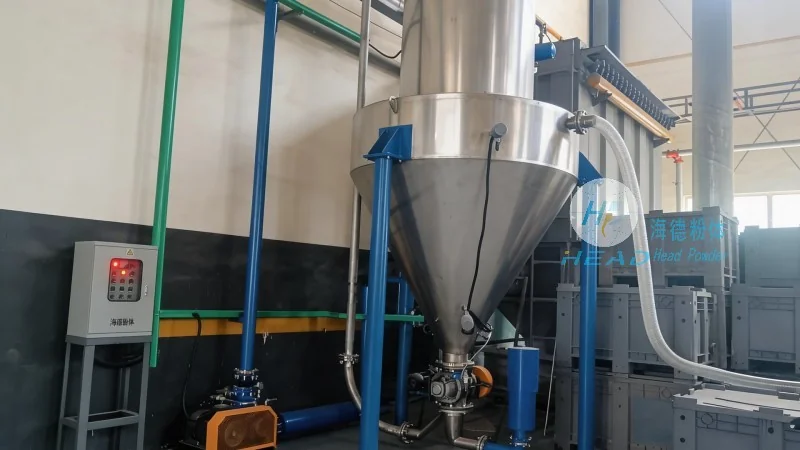
Conclusion: The Role of HeadPowder in Providing Effective Pneumatic Conveying Solutions
HeadPowder Engineering Co., Ltd., with its headquarters in Shandong, China, plays a vital role in providing advanced pneumatic conveying solutions tailored to the specific needs of river sand applications. By leveraging its expertise in material handling technology, the company designs and manufactures equipment that adheres to the core principles of pneumatic conveying while addressing the unique challenges posed by river sand. The working scene characteristics of these applications, including high material volumes, abrasive properties, and the need for closed systems, are carefully considered in the design process. The advantages of using pneumatic conveying, such as dust control and flexibility, make it an ideal choice for industries that require efficient and reliable transportation of bulk materials. As a leading manufacturer, HeadPowder continues to innovate and improve its products to meet the evolving demands of the market, ensuring that its customers can achieve optimal performance and cost savings in their material handling operations.