

Principle and Working Scene Characteristics of Coal Ash Material Pneumatic Conveying Lines
HeadPowder, a leading engineering company based in Shandong, China, specializes in the design and implementation of advanced pneumatic conveying systems tailored for handling coal ash materials. This article explores the fundamental principles behind coal ash material pneumatic conveying lines and highlights the key characteristics of their operational environments.
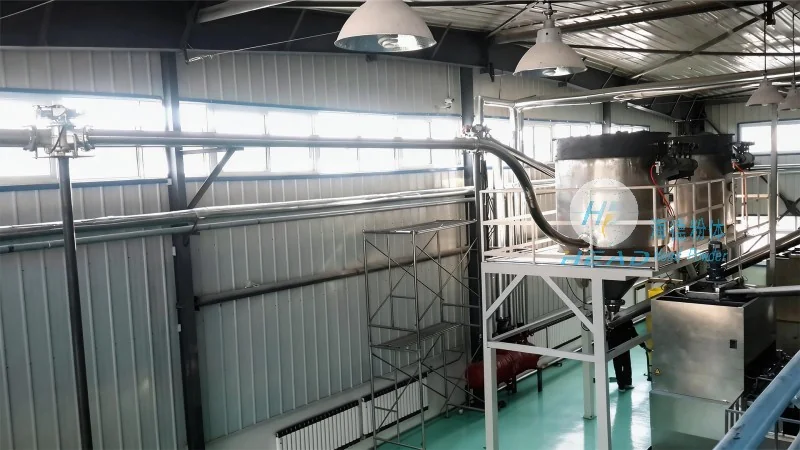
Understanding the Core Principle of Coal Ash Pneumatic Conveying
The principle of coal ash material pneumatic conveying involves transporting bulk materials like coal ash through a pipeline system using a stream of pressurized air or a vacuum. This method eliminates the need for mechanical components such as belts, buckets, or screw conveyors, which are often prone to wear and maintenance issues in high-abrasion environments like coal ash handling. The system typically consists of a hopper for material storage, a conveyor line, and a control unit that regulates air pressure and flow. By utilizing air as the conveying medium, the system can efficiently move coal ash from its source to processing or disposal facilities, ensuring a continuous and reliable operation.
Key Working Scene Characteristics of Coal Ash Pneumatic Conveying Lines
The operational environment for coal ash material pneumatic conveying lines is characterized by several critical factors that influence system design and performance. First, the material's physical properties, including its particle size, density, and moisture content, play a significant role. Coal ash often contains fine particles that can cause clogging or abrasion on pipeline components, necessitating materials like stainless steel or special coatings to ensure durability. Second, the system's location and integration with existing infrastructure are crucial. In power plants or industrial facilities, these lines must be seamlessly integrated with other processes, such as ash handling and storage, to maintain operational efficiency. Third, the need for environmental compliance is a key consideration. Pneumatic conveying systems can help minimize dust emissions compared to traditional methods, making them a more sustainable option for handling coal ash. Additionally, the system's scalability and adaptability to varying material volumes are important, as power plants may experience fluctuations in ash production based on operational conditions.

Application Scenarios and Benefits in Coal Ash Handling
Coal ash material pneumatic conveying lines are widely used in various industrial settings, particularly in power generation facilities. The primary application is the transport of fly ash and bottom ash from boiler furnaces to storage silos or disposal sites. These systems are also employed in recycling processes where coal ash is used as a raw material for cement production or other construction materials. The benefits of using pneumatic conveying for coal ash handling include improved safety by reducing manual handling of hazardous materials, enhanced operational efficiency through automated material transport, and reduced maintenance costs due to the absence of moving parts that are susceptible to wear from abrasive ash particles. Furthermore, the system's ability to handle large volumes of material in a continuous manner ensures that power plants can maintain consistent ash management, which is vital for regulatory compliance and operational stability.
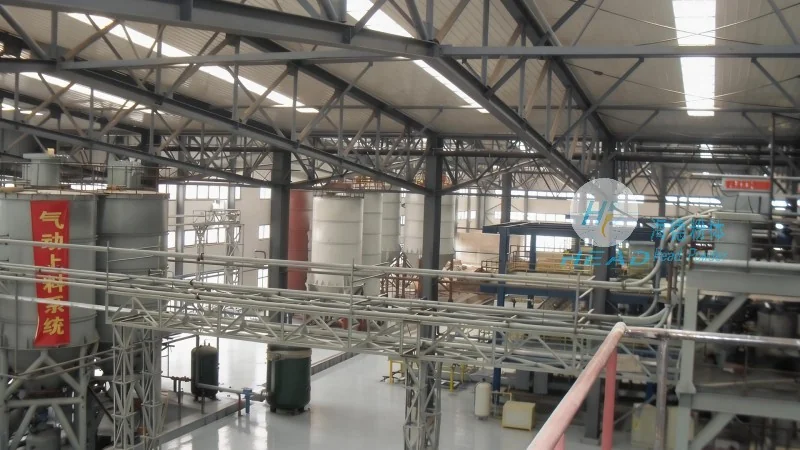
Technical Considerations for Designing Coal Ash Pneumatic Conveying Systems
When designing a coal ash material pneumatic conveying line, several technical factors must be carefully considered to ensure optimal performance and longevity. The first consideration is the selection of the appropriate conveying method, either positive pressure or negative pressure. Positive pressure systems use compressed air to push material through the pipeline, while negative pressure systems use vacuum to draw material. The choice depends on the distance, elevation changes, and material characteristics. For coal ash, positive pressure systems are often preferred due to their ability to handle abrasive materials and maintain consistent flow rates. Another critical factor is the pipeline diameter and material, which must be selected based on the ash's particle size and flow rate. Larger diameters reduce friction losses and prevent clogging, while the use of corrosion-resistant materials like stainless steel or lined pipes protects against ash-induced wear. Additionally, the system's control and monitoring capabilities are essential for maintaining optimal operation. Modern systems often include sensors to monitor pressure, flow, and temperature, allowing for real-time adjustments and preventing system failures. Proper maintenance protocols, including regular cleaning and inspection of components, are also vital to ensure the system's reliability and longevity.
Conclusion: The Role of Coal Ash Pneumatic Conveying Lines in Modern Industrial Operations
In conclusion, coal ash material pneumatic conveying lines represent a sophisticated and efficient solution for handling bulk materials in industrial settings, particularly in the power generation sector. By leveraging the principles of pneumatic transport, these systems offer numerous advantages over traditional mechanical conveying methods, including enhanced durability, reduced maintenance, and improved environmental performance. The working scene characteristics, such as material abrasiveness and operational integration, require careful system design to ensure optimal performance. As power plants continue to manage increasing volumes of coal ash, the adoption of advanced pneumatic conveying systems will remain critical for maintaining operational efficiency and compliance with environmental regulations. HeadPowder, with its expertise in engineering and material handling, plays a key role in providing tailored solutions that meet the specific needs of coal ash handling applications, contributing to the sustainable and efficient management of this important industrial byproduct.